National Dish Argentina: Ñoquis del 29 (Recipe)
In this article
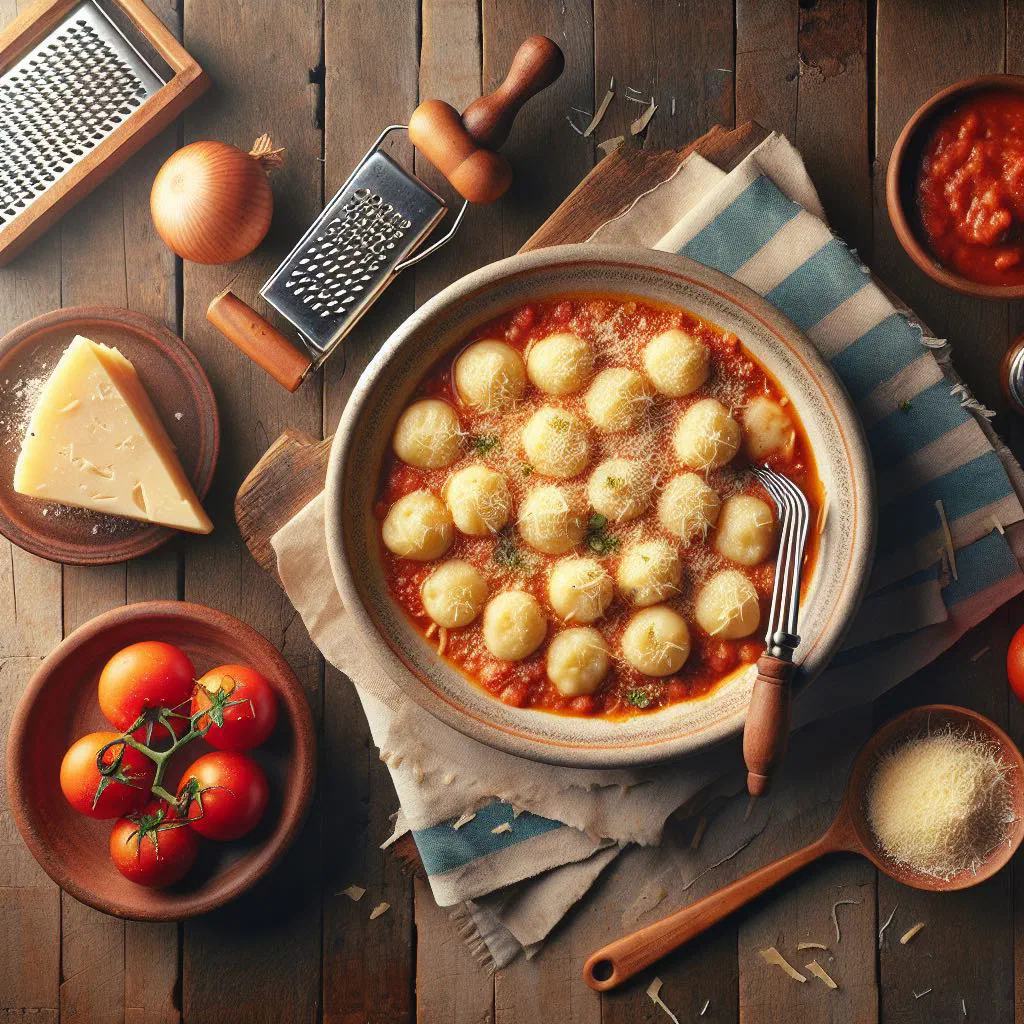
Discover Ñoquis del 29, one of Argentina’s most cherished culinary rituals. On the 29th of every month, kitchens across the country fill with the smell of soft potato dumplings tumbling into bubbling water. It is a tradition built on thrift, family and good luck, a coin tucked under the plate is said to bring prosperity. Simple ingredients, endless sauces and a table full of people: that is the whole charm of this Argentine classic.
About Ñoquis del 29
Ñoquis del 29 are a fixed ritual in Argentina, celebrated on the 29th of each month. These potato dumplings are far more than a simple supper. They are an expression of community and tradition. Families and friends gather on that day to enjoy ñoquis in all their many guises. Whether dressed with a rich tomato sauce, a fragrant pesto or a creamy cheese sauce, the combinations are endless and everyone finds a personal favourite.
Ingredients (serves 1–2)
- 500 g floury potatoes
- 150 g plain wheat flour (plus extra for the work surface)
- 1 egg
- Salt to taste
- Pepper to taste
Shopping for the ingredients
To get the best results from your ñoquis, choose fresh, good-quality ingredients. Look out for floury potatoes, as they are ideal for making the dough. When buying flour, quality matters if you want the perfect consistency. The remaining ingredients, eggs and seasonings, are easy to find and should be as fresh as possible to guarantee the fullest flavour.
Preparing the dish
Preparation plays a decisive role when making Ñoquis del 29. Start by boiling the potatoes thoroughly, then passing them through a ricer for a smooth texture. Let them cool a little after cooking before combining them with the flour and the egg. Salt and pepper can be added to taste to season the dough and give it the kick it needs.
Step-by-step instructions
- Boil the potatoes until soft, then leave them to cool.
- Pass the cooled potatoes through a potato ricer or mash them well with a fork.
- Add the flour, egg, salt and pepper to the potatoes and knead everything into a smooth dough.
- Shape small portions of dough and roll each ñoqui down the back of a fork to create the classic ridges.
- Bring a large pan of salted water to the boil and cook the ñoquis until they rise to the surface.
- Drain the ñoquis and serve with the sauce of your choice.
Gluten-free / lactose-free version
For a gluten-free version of the ñoquis, use rice flour or maize flour instead of wheat flour. These alternatives still give the dough a good consistency. Bear in mind that the dough may need a little more liquid, so adjust the quantities accordingly. For a lactose-free result, keep to plant-based sauces and swap any dairy binder for a vegetable-based one, much as you would when lightening a plate of Ravioles Con Tuco.
Tips for vegans and vegetarians
For a vegan version of the ñoquis, leave out the egg and soak a few spoonfuls of linseed meal in water instead to achieve a binding consistency. Apple sauce or a mashed banana works too. These ingredients hold the ñoquis together and add an interesting note of flavour. Vegetarians can enjoy the traditional recipe simply by choosing cheese sauces or pesto as an accompaniment.
More tips and tricks
A few pointers will help you get even better results. It is important to keep the potatoes as dry as possible so you can minimise the flour you add, which otherwise changes the texture. You can also shape the ñoquis however you like to make them more appealing on the plate. Remember to serve the sauce separately so every guest can help themselves as they please.
Adapting the recipe to your taste
The recipe for Ñoquis del 29 is wonderfully flexible and easy to tailor to personal preference. You might work herbs such as basil or parsley into the dough for extra flavour. The sauce can vary too, from hearty to gently spiced, anything goes. Experiment with different vegetable or meat accompaniments, perhaps a spoonful of slow-cooked Estofado De Carne, to make the dish your own.
Ingredient substitutions
There are plenty of interesting alternatives to play with when cooking ñoquis. Instead of ordinary potatoes, try sweet potatoes for a sweeter note. Cauliflower also works nicely as a base for a lighter, lower-carbohydrate version. If you would rather avoid egg-based sauces, plant-based options such as coconut milk are a great way to bring creaminess to the plate.
Drink pairing ideas
The right drink can enrich the Ñoquis del 29 experience considerably. A light white wine such as Sauvignon Blanc pairs beautifully with the various sauces and lifts the aromas of the ingredients. For an alcohol-free option, fresh lemon water or a homemade iced tea is a perfect choice to refresh the palate, as is a warming cup of Mate Cocido. Experiment with different drinks that complement the flavours of your ñoquis.
Serving and presentation ideas
Presentation can improve the eating experience enormously. Use white plates to make the colours of the sauces and ingredients stand out. Garnish the dish with fresh leaves such as rocket, or a shower of Parmesan, for an attractive finishing touch. Serve the ñoquis in small portions to encourage guests to try several sauces and enjoy a varied tasting experience.
A bit of history
The tradition of Ñoquis del 29 has its roots in Italy, where potato pasta has a long history. Over time the dish took hold in Argentina and became a symbol of togetherness and family, carried across the Atlantic by the same immigrant kitchens that gave the country Argentine cuisine staples like Milanesa. On the 29th of every month, people look forward to marking the occasion and enjoying plenty of delicious ñoquis. At home or in a restaurant, ñoquis bring pleasure and community to the table.
More recipe ideas
Summary: Ñoquis del 29
Ñoquis del 29 are more than just a dish; they are a cultural phenomenon in Argentina, one that fosters joy and community. With a simple list of ingredients and endless scope for adaptation, these potato dumplings are a genuine treat for the whole family. Whether you prepare them traditionally with tomato sauce or creatively with new ingredients, ñoquis offer a memorable taste experience. Take the chance to live this tradition and make it part of your own kitchen.