National Dish Argentina: Pan Dulce (Recipe)
In this article
Discover Pan Dulce, Argentina’s festive fruit bread. Loaded with dried fruit, nuts and warming spices, it fills the whole house with the scent of the holidays long before the first slice is cut. Baking it is as much a family ritual as it is a recipe, and every household guards its own version. Bring a piece of Argentinian celebration straight to your own kitchen.
About Pan Dulce
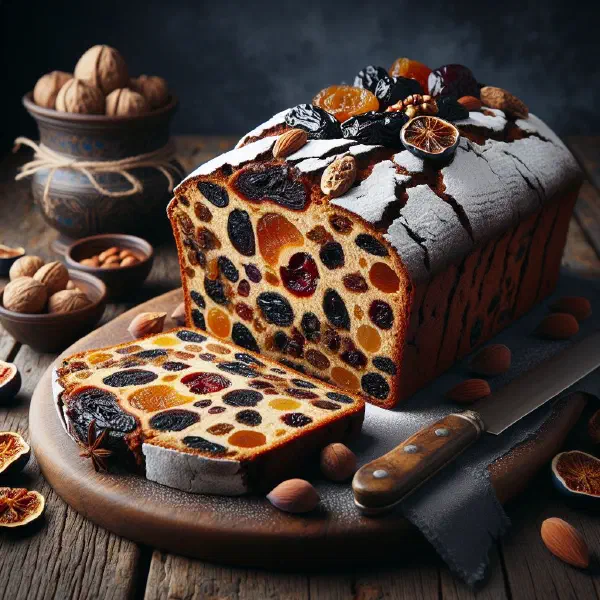
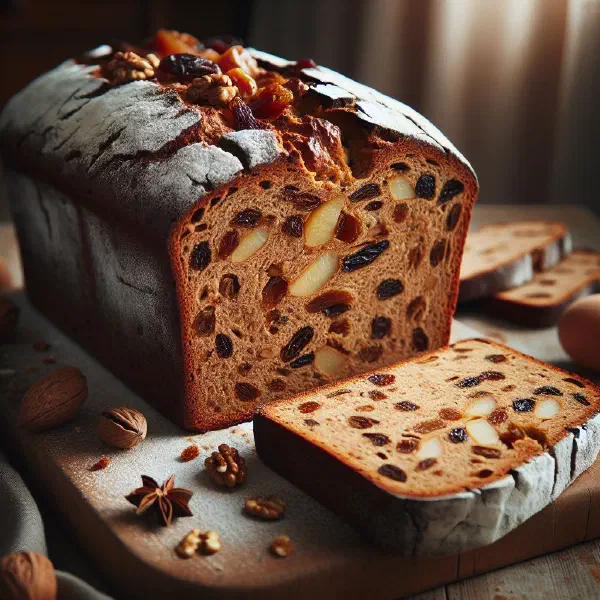
Pan dulce is a traditional Argentinian fruit bread that comes into its own around the festive season. Making it is a family event that binds the generations together. In many households it is customary to bake the loaf together and let the sweet aromas drift through the entire house, much as a shared Asado turns a Sunday into an occasion.
Ingredients (serves 1–2)
- 500 g plain flour
- 150 g sugar
- 200 g dried fruit (raisins, dates, figs)
- 100 g nuts (almonds, walnuts)
- 100 ml milk
- 50 ml rum or orange juice
- 2 eggs
- 1 sachet dried yeast
- 1 pinch of salt
- Spices (cinnamon, nutmeg)
Shopping for the ingredients
To make pan dulce properly, buy everything fresh. A local supermarket or a health-food shop will usually carry all you need. Pay particular attention to the quality of the dried fruit and nuts, since they shape the flavour of the loaf more than anything else. Check the packets before you buy to be sure the contents are fresh and in good condition.
Preparing the dish
Preparation begins with careful selection and prep of the ingredients. Wash and chop the dried fruit where necessary so the pieces are of an even size. The nuts should be roughly chopped as well, so they distribute nicely through the dough as it bakes. Prepare a loaf tin too, greasing it or lining it with baking paper to stop the bread sticking.
Step-by-step instructions
- Combine the flour, sugar, dried fruit, nuts, yeast and salt in a large bowl.
- In a separate bowl, whisk together the milk, rum or orange juice, eggs and spices.
- Pour the wet ingredients into the dry and knead the dough thoroughly.
- Leave the dough to rest in a warm spot for 1–2 hours, until well risen.
- Bake the pan dulce at 180 °C for about 40–50 minutes, until golden brown.
Gluten-free / lactose-free version
For a gluten-free pan dulce, simply use gluten-free flour and make sure the remaining ingredients are gluten-free too. For a lactose-free loaf, replace the milk with plant-based alternatives such as almond or soya milk. These small changes mean anyone with particular dietary needs can still enjoy this wonderful bake.
Tips for vegans and vegetarians
A vegan version is entirely possible: swap the eggs for plant-based alternatives such as apple purée or ground linseed. Add an extra tablespoon of water to keep the dough sufficiently moist. Check that the dried fruit and nuts you use contain no animal products. That way everyone can share in this traditional bread, whatever their diet. Just as the naturally meat-free Humita does.
More tips and tricks
A few simple tricks go a long way with pan dulce. Blending your own spice mix of cinnamon, nutmeg and clove gives the loaf a personal signature. Try different combinations of dried fruit and nuts to discover new flavours. It is also worth playing with the amount of sugar until the sweetness is exactly where you want it.
Adapting the recipe to your taste
The recipe is extremely forgiving and easy to make your own. Add further spices to deepen the aroma, for instance. Folding in chocolate chips or chunks of dark chocolate lends the bread an intriguing extra note, in the spirit of a good Chocotorta.
Ingredient substitutions
In place of dried fruit you can use fresh fruit that dries well, such as apricots or apples. Instead of nuts, oats or chia seeds make a nourishing alternative. The sugar can be replaced with honey or maple syrup to explore new flavour directions. Just keep an eye on the consistency of the dough as you make any of these swaps.
Drink pairing ideas
The right drink sharpens the pleasure of a slice of pan dulce. A fresh orange juice or a light red wine harmonises beautifully with the flavours of the bread. A spiced chai or a cup of hot chocolate are popular companions too, rounding out the sweetness. Served with a well-chosen drink, or the classic Mate Cocido, the bread becomes a complete experience.
Serving and presentation ideas
Thoughtful presentation turns pan dulce into a centrepiece. Serve it on an attractive plate and garnish with fresh fruit or mint for a visual lift. The loaf can be sliced and offered with a dip such as raspberry jam on the side. Details like these make the sharing and eating of the bread a feast for all the senses.
A bit of history
Pan dulce has its roots in the European baking tradition, brought to Argentina by the waves of immigration in the 19th and 20th centuries. It quickly became a fixture at festive occasions and family gatherings. Every family recipe is unique and often bound up with particular baking rituals handed down through the generations. Pan dulce therefore carries not only gastronomic but cultural weight within Argentinian cuisine.
More recipe ideas
Summary: Pan Dulce
Pan dulce is a deeply traditional Argentinian fruit bread made with a generous variety of dried fruit and nuts. It is made for festive occasions and carries a sense of community and togetherness with every slice. The adaptability of the recipe means personal preferences and different dietary needs can easily be accommodated. Whether as a snack or at breakfast, pan dulce is a special treat that no Argentinian kitchen should be without.