National Dish Argentina: Pepas con Membrillo (Recipe)
In this article
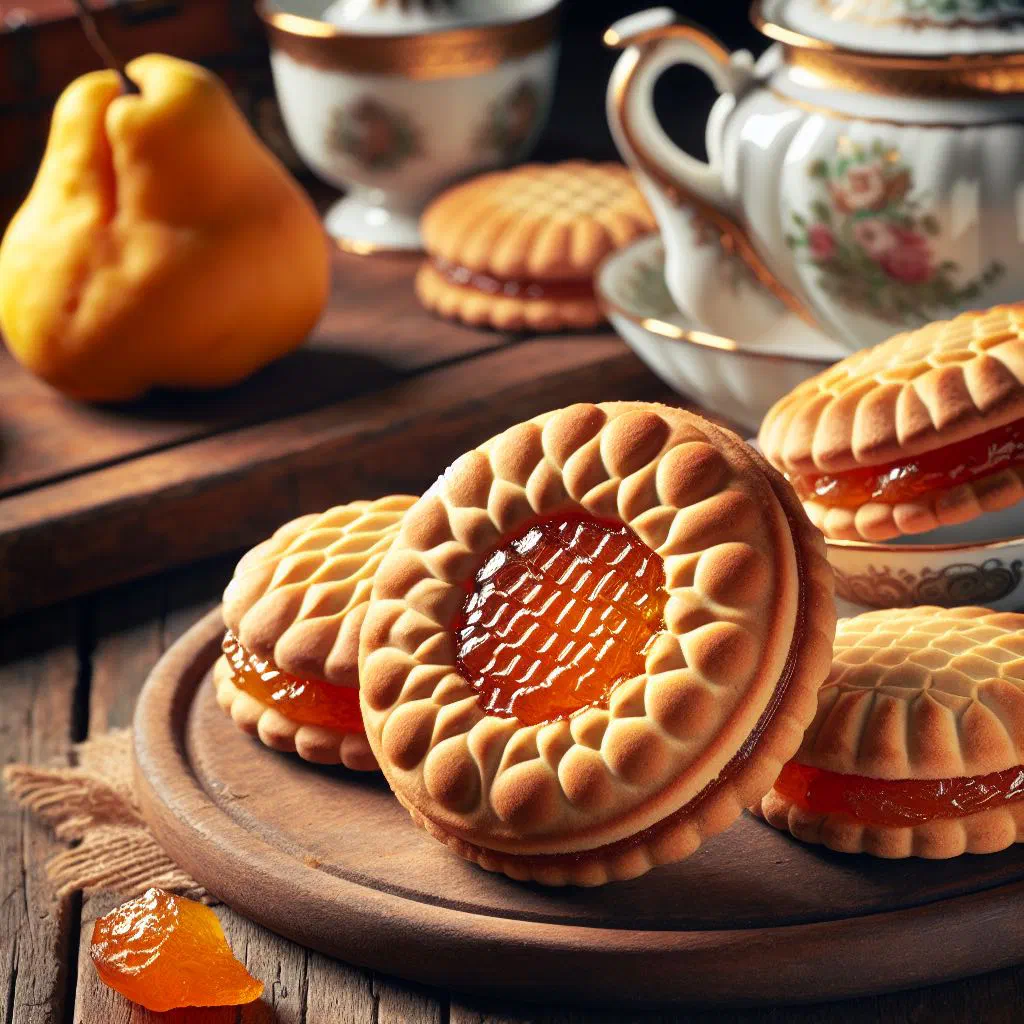
Meet Pepas con Membrillo, the little butter biscuits that sit on almost every Argentine coffee table. A crumbly, golden shortbread-style dough wraps around a jewel of sweet quince paste, and the result is one of those unassuming bakes that disappears from the tin far quicker than you expect. They are simple to make, keep beautifully, and taste of a South American afternoon spent with a strong coffee and no particular plans.
About Pepas con Membrillo
Pepas con Membrillo are traditional Argentine biscuits filled with sweet quince paste, known locally as dulce de membrillo. They bring together a crisp, buttery dough and a fruity centre, which makes them a very good snack for any occasion. They are not only a favourite with Argentines themselves but have won admirers well beyond the country’s borders. Perfect for a coffee table or simply as a sweet bite between meals, they belong to the same comforting family of bakes as Alfajores.
Ingredients (serves 1–2)
- 100 g butter
- 50 g sugar
- 1 egg
- 200 g plain flour
- 1 teaspoon baking powder
- 150 g quince paste
Shopping for the ingredients
To get the best results, pay attention to the quality of your ingredients. The butter should be fresh and of a high standard, as it has a considerable influence on the flavour of the biscuits. The quince paste is decisive; look for a variety made from natural ingredients and free of preservatives. You will find these ingredients in a well-stocked supermarket or in specialist shops selling Argentine products.
Preparing the dish
Before you begin, set out all your ingredients. The process is far easier if the tools you need, bowls, a mixer and baking trays, are within easy reach. It is also important to preheat the oven to 180°C so the biscuits bake evenly. A clean, organised work surface helps you work efficiently and avoid mistakes.
Step-by-step instructions
- Cream the butter and sugar together in a bowl until light and fluffy.
- Add the egg and keep beating until the mixture is well combined.
- Slowly fold in the flour and baking powder until you have a smooth, even dough.
- Let the dough rest briefly, then shape it into small portions.
- Flatten each portion and place a teaspoon of quince paste in the centre.
- Fold the edges of the dough over the top and set the biscuits on a baking tray.
- Bake in the preheated oven for around 15–20 minutes, until golden brown.
Gluten-free / lactose-free version
For a gluten-free version of Pepas con Membrillo, use gluten-free flour in place of wheat flour. Choose a blend suited to biscuits so the dough keeps its consistency. To make them lactose-free, replace the butter with plant-based margarine or another lactose-free alternative. These small adjustments make sure everyone gets to enjoy this delicious little bake.
Tips for vegans and vegetarians
If you would like to prepare a vegan version of Pepas con Membrillo, you can replace the egg with apple sauce or a mixture of water and linseed. There are plenty of plant-based alternatives to butter that work just as well here. Do check that the quince paste contains no animal products. These adaptations make the recipe accessible to everyone, so nobody misses out on the treat.
More tips and tricks
To achieve the perfect texture, it is important not to overwork the dough. Too much kneading turns the biscuits hard, while a quick, light hand keeps them tender. Portion them evenly so they bake at the same rate, and let them cool briefly after baking so they firm up and lift off the tray more easily.
Adapting the recipe to your taste
This recipe is easy to adapt simply by trying different fillings. Alongside the classic sweet quince paste, other fruit options such as raspberry or apricot jam work beautifully. Adding nuts or chocolate chips brings a new layer of flavour, much as it does in a slice of Pastafrola. Do not be shy about getting creative and folding in your own favourite flavours.
Ingredient substitutions
If you cannot get hold of quince paste, an alternative such as plum butter or carrot jam will also do the job nicely. Plum butter in particular has a similar consistency and sweetness. Sweet potato paste, the same dulce de batata that stars in Dulce de Batata, is another classic Argentine option. You can also experiment with buckwheat flour, almond milk or coconut oil for specific dietary needs. Such swaps guarantee not only variety but healthier alternatives to the traditional ingredients.
Drink pairing ideas
A number of drinks suit Pepas con Membrillo well. A strong coffee or a latte pairs superbly with the sweet biscuits, and a cup of Mate Cocido is the most Argentine choice of all. For an alcohol-free option, fruit juices or a mild tea work nicely too.
Serving and presentation ideas
To serve Pepas con Membrillo attractively, arrange them on a decorative platter, a simple flourish that makes the biscuits look all the more inviting. Use fresh mint leaves or berries as decoration to add colour and texture. Your guests will appreciate the look of the spread long before they taste a single one.
A bit of history
Pepas con Membrillo are an important part of Argentine baking culture and trace their origins back to the colonial era. They were originally made in home kitchens to welcome visitors and mark special occasions. The pairing of sweet dough and quince paste reflects the versatility and richness of Argentine cuisine. Today they remain a much-loved treat, often served at festivities and celebrations.
More recipe ideas
Summary: Pepas con Membrillo
In short, Pepas con Membrillo are a memorable treat that tastes wonderful and reflects a rich cultural tradition. With simple ingredients, plenty of scope for creative tweaks and endless presentation ideas, they make an ideal sweet for any occasion. These biscuits are an excellent choice. Give the recipe a try and let Argentine baking work its magic on you.