National Dish Armenia: Arishta (Recipe)
In this article
Meet Arishta, the handmade noodle that Armenian cooks have been rolling, cutting and drying for centuries. A simple dough of flour, egg and water becomes silky strands that soak up spiced sauces and hearty stews beautifully. It is humble food in the best sense, quick to master, endlessly forgiving, and steeped in the warmth of family kitchens from Yerevan to the mountain villages.
About Arishta
Arishta is a traditional Armenian dish made from a fine, hand-rolled dough. It is most often served with punchy spiced sauces or stirred into robust stews, where the noodles carry the flavours of the broth. This elegant pasta speciality is not only a pleasure to eat, it also mirrors the rich culture and traditions of Armenia. Whether the occasion is a festive gathering or a relaxed family supper, arishta brings a piece of Armenian life to the table.
Ingredients (serves 1–2)
- 200 g plain flour
- 1 egg
- 50 ml water
- 1 pinch of salt
- Olive oil or butter, for frying
- Spices to taste (cumin, paprika)
Shopping for the ingredients
Before you start on arishta, it is worth gathering good-quality ingredients. Armenian delicatessens and larger international grocers stock the specifics you want, a fine, well-milled flour and properly fresh eggs. Check that your spices are still fragrant rather than dusty, since they carry most of the flavour. Set out everything in advance and clear your kitchen so the cooking process runs smoothly from start to finish.
Preparing the dish
Preparing arishta is straightforward and takes only a handful of steps. Make sure you have enough clear worktop to roll the dough out properly. Combine the dry ingredients first, then work in the wet ones. Let the dough rest for around 30 minutes so it relaxes and rolls out far more willingly. This resting stage matters for the texture of the noodles and adds real depth of flavour to the finished dish.
Step-by-step instructions
- Combine all the dry ingredients in a large bowl.
- Add the egg and the water, then knead thoroughly until smooth.
- Leave the dough to rest for about 30 minutes.
- Roll the dough out thinly and cut it into small strips.
- Cook the strips in lightly salted water until al dente.
- Drain the noodles and toss them with olive oil or butter.
- Serve with a spiced sauce or stirred into a stew, as you prefer.
Gluten-free / lactose-free version
Arishta adapts easily for anyone with a gluten intolerance or lactose intolerance. Use a gluten-free flour blend for the dough and roll it a touch more gently, as it is less elastic. For a lactose-free version, reach for plant oils or a dairy-free butter substitute. Do check that any sauces or added extras are gluten- and lactose-free too, so the whole plate suits every guest at the table.
Tips for vegans and vegetarians
Arishta is just as easy to make vegan or vegetarian. Replace the egg with a suitable plant-based alternative such as apple purée or a mixture of water and chia seeds, both of which bind the dough well. Make sure the sauce or stew you serve alongside contains no animal products. The result is a nourishing, thoroughly satisfying dish that fits both vegan and vegetarian eating. Proof of how flexible arishta is and how comfortably it slots into different kitchens.
More tips and tricks
A few small habits will noticeably improve your arishta. Roll the dough to an even thinness so every strand cooks in the same time. Play with different spices and herbs to give the dish a signature of your own. You can also toss the cooked noodles briefly in a hot frying pan before serving, which brings out a lovely toasted aroma. Little adjustments like these do not just add flavour, they raise the whole eating experience.
Adapting the recipe to your taste
The arishta recipe bends readily to personal preference. Add more or fewer spices as you like, or change the sauce you serve with the noodles entirely. Vegetables such as spinach, courgette or peppers stirred into the stew make the dish more nourishing and add colour. Be inventive and experiment with different combinations until you land on the version of arishta that suits you, much as home cooks do with Khashlama.
Ingredient substitutions
If the traditional ingredients for arishta are hard to come by, there are workable alternatives. Wholemeal flour in place of plain flour gives a nuttier, healthier version with a little more bite. When eggs are unavailable, cornflour or soya yoghurt both hold the dough together nicely. These swaps deliver very similar results and let you make the dish without compromising on quality or flavour.
Drink pairing ideas
The right drink can lift a plate of arishta considerably. A well-chilled Armenian wine stands up beautifully to the savoury notes of the noodles. Alternatively, offer a fresh yoghurt drink such as matsun, the traditional Armenian refresher poured at countless family meals. For something without alcohol, a fruity pomegranate juice is an excellent choice and echoes the flavours on the plate, the same fruit that stars in a Pomegranate Salad.
Serving and presentation ideas
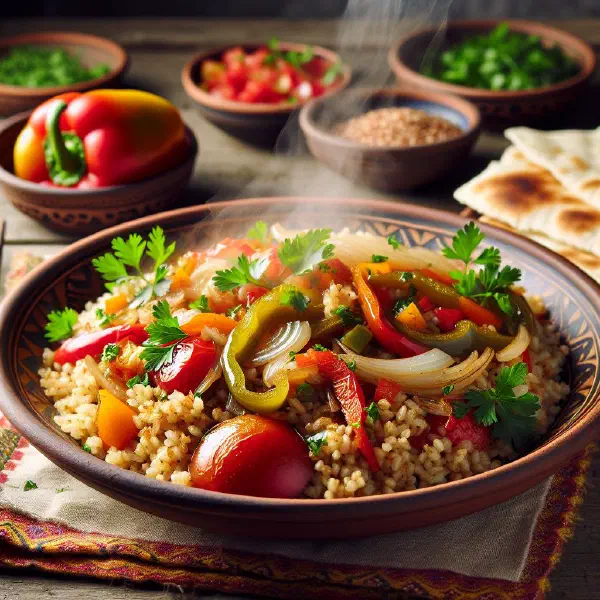
An attractive presentation makes the meal better still. Serve arishta in a decorative bowl and garnish with fresh herbs such as parsley or coriander. Offer the sauce separately so every guest can decide how much they want. A warm flatbread such as Lavash on the side rounds things out, and an extra note of colour and texture makes the dish look as appetising as it tastes.
A bit of history
Arishta has a long and rather fascinating history in Armenian cuisine. Its origins reach back to antiquity, when people were looking for simple ways to preserve dough through the lean months, the noodles were dried and stored for winter. Across generations the recipe was refined and adapted to whatever each region had to hand. Today arishta stands not only as a symbol of Armenian culture but of the country’s hospitality and its wider culinary heritage.
More recipe ideas
Summary: Arishta
Arishta is far more than a plate of noodles; it is a symbol of Armenian culture and tradition. The preparation is simple and leaves plenty of room for creativity, while the flavour stays authentic and genuinely hearty. Because it adapts so readily, arishta is a dish everyone can enjoy, whatever their dietary needs. With its long history and its comforting aromas, it is sure to be a hit at any dinner table.