National Dish Armenia: Armenian-Style Gata (Recipe)
In this article
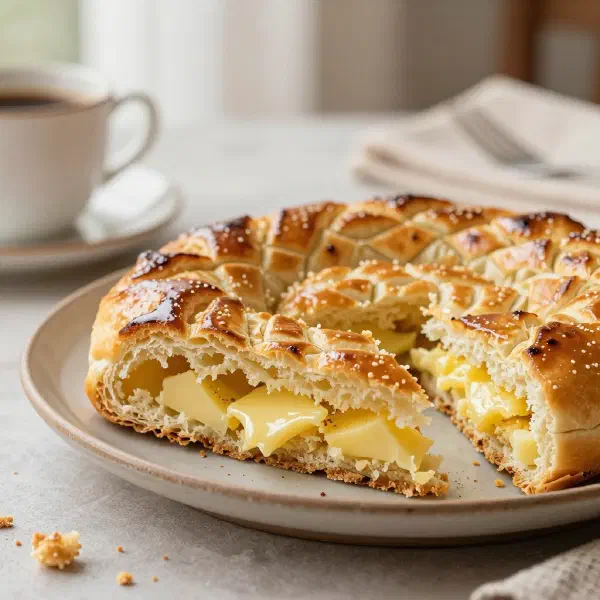
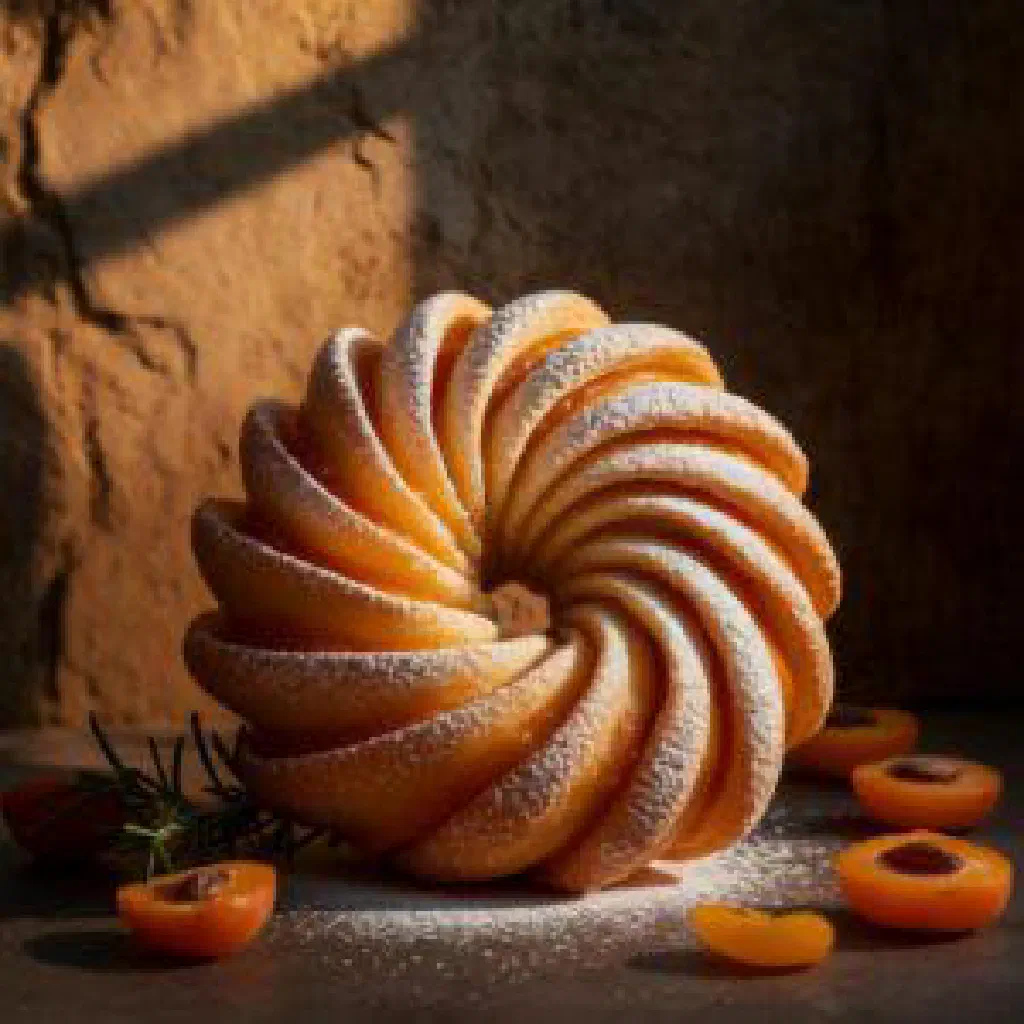
Few bakes capture the warmth of an Armenian home quite like Gata. This golden, buttery pastry, layered with a fragrant filling of walnuts or cinnamon, appears at weddings, holidays and quiet Sunday afternoons alike. The crust is tender and faintly crisp, the filling sweet and nutty, and the whole thing is traditionally scored with decorative patterns before baking. It is a bake built for sharing, and one that fills the kitchen with an unmistakable aroma.
About Gata
Gata is a traditional Armenian pastry, most often served on festive occasions. It wins people over with its delicate, buttery dough and its aromatic filling, usually made from walnuts or cinnamon. Gata carries real cultural weight in Armenia and is enjoyed at holidays and family gatherings throughout the year. This bake is delicious and a symbol of hospitality and of sharing, values that sit at the very heart of Armenian tradition.
Ingredients (serves 1–2)
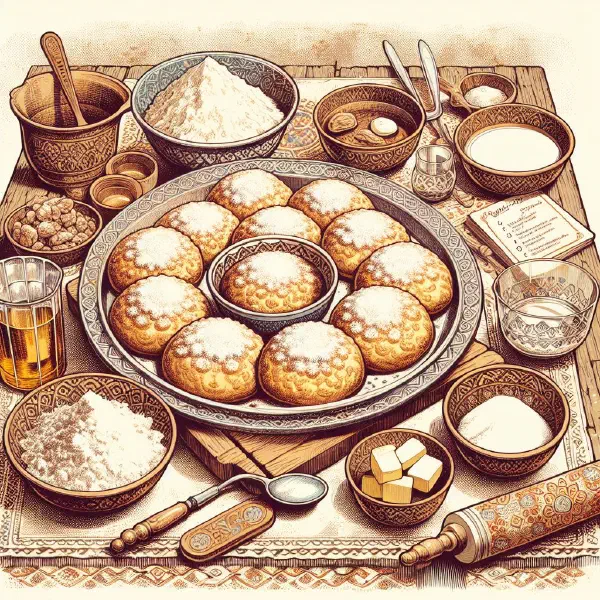
- 250 g plain flour
- 125 g butter
- 100 g sugar
- 1 egg
- 50 ml milk
- 1 sachet vanilla sugar
- 1/2 teaspoon baking powder
- For the filling: 100 g walnuts or 2 teaspoons ground cinnamon
Shopping for the ingredients
It is worth choosing a good butter, as it has an enormous influence on the flavour of the finished pastry. Fresh flour and sugar matter too, since they determine both the texture and the level of sweetness. When it comes to the filling, feel free to experiment with different nuts, almonds or pistachios both create interesting variations. Allow yourself enough time to gather everything and to get properly set up before you start baking.
Preparing the dish
Preparation for gata begins with carefully selecting and weighing out all the ingredients. It is important that the butter is at room temperature so it creams together smoothly with the sugar. The filling can be made in advance by roughly chopping the walnuts and mixing them with the cinnamon. Make sure your oven is preheated to the correct temperature as well, so the pastry bakes evenly all the way through.
Step-by-step instructions
- Cream the butter with the sugar and vanilla sugar in a bowl until light and smooth.
- Add the egg and the milk, and mix thoroughly.
- Combine the flour with the baking powder and add it gradually to the butter mixture.
- Knead the dough well until it is soft and pliable.
- Divide the dough in half and roll each piece out on a floured surface.
- Scatter the prepared filling over one half and lay the second half on top.
- Press the edges together firmly and decorate the surface as you like.
- Bake in the preheated oven at 180°C for around 25–30 minutes, until golden brown.
- Leave to cool after baking, then serve warm or cold.
Gluten-free / lactose-free version
For a gluten-free version of gata, use a gluten-free flour blend of the kind now stocked by most supermarkets. Check that all the other ingredients are gluten-free as well. For a lactose-free variation, replace the butter with a plant-based margarine or with coconut oil. These alternatives deliver very nearly the same flavour and texture as the original recipe, so everyone can enjoy this lovely bake regardless of dietary restrictions.
Tips for vegans and vegetarians
To make the recipe vegan, swap the egg for apple sauce or for soaked flaxseed, both of which work well as binders. Use a vegan butter or coconut oil in the dough to avoid animal products entirely. Take care to choose vegan ingredients for the filling too, so the finished pastry suits every guest at the table.
More tips and tricks
To get the very best from your gata, avoid overworking the dough. It can turn tough. Let it rest for a few minutes after kneading so the gluten structure relaxes. You can create further variations by adding cocoa to the filling or by working in different spices such as cloves. Pay attention to the decoration as well: a creative pattern scored across the top makes the pastry far more inviting. If you enjoy this kind of baking, the sugary crumb of Shakarlama is a natural next project.
Adapting the recipe to your taste
The gata recipe leaves plenty of room for personal adjustment. Vary the filling to suit yourself, a spoonful of honey or maple syrup adds extra sweetness and depth. Different nuts, or a mixture of dried fruit, can produce genuinely interesting flavour combinations. Remember that the recipe is yours to shape, so build it around your own style and your own idea of what a good sweet bake should be.
Ingredient substitutions
If you are not keen on walnuts in the filling, replace them with almonds, pistachios or a combination of several nuts. Instead of standard plain flour you might reach for older varieties such as oat flour or chestnut flour, which lend a nuttier character. For sweetness there are several options: agave syrup or coconut sugar both work as gentler alternatives to refined sugar. Adjustments like these make the pastry not only tastier but a little wholesome too.
Drink pairing ideas
Gata goes beautifully with a cup of aromatic black tea or a strong, unfiltered coffee, both of which heighten the pleasure of the sweet filling. For something more refreshing, serve chilled mint water or a fruity lemonade. These drinks create a harmonious pairing that flatters both the pastry and its filling. It is worth experimenting with different teas to discover which combination you like best.
Serving and presentation ideas
An attractive presentation of gata can be achieved with handsome serving plates or bowls that bring out its colour and pattern. Pack the pastry into festive boxes as a gift, or dust it with icing sugar for an elegant finish. Fresh mint leaves or edible flowers make a lovely garnish as well. This matters especially when gata is served as part of a celebration, where the presentation helps set the mood.
A bit of history
Gata originates in Armenian culture and has been baked for centuries. It is a fixture at weddings, births and other festive occasions. This sweet treat symbolises both the prosperity and the hospitality of Armenian society, and it also reflects the artistry and craft of the country’s bakers. Traditional family recipes are handed down across generations, which makes gata a cornerstone of Armenian cuisine and of the nation’s culinary identity.
More recipe ideas
Summary: Gata
In short, gata is a distinctive and thoroughly delicious pastry that has won over countless admirers. It brings together tradition and creativity in the loveliest way, and it offers no shortage of options for different dietary needs. Gata is always a fine choice. Let it inspire you, and give this wonderful recipe a go in your own kitchen.