National Dish Armenia: Basterma (Recipe)
In this article
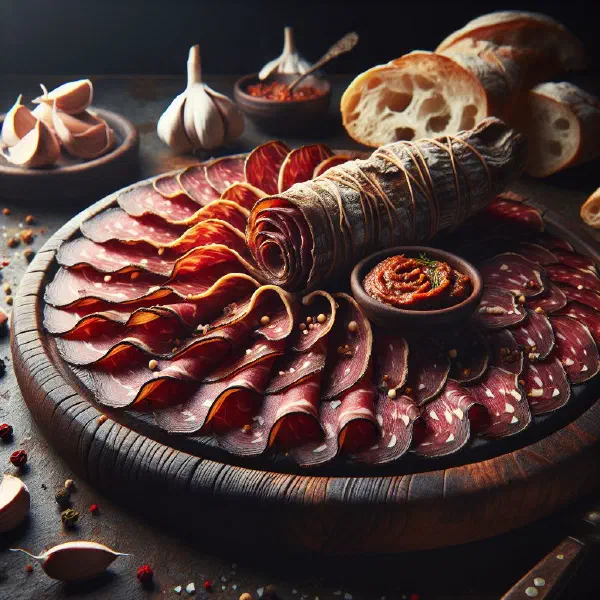
Discover Basterma, one of the great delicacies of Armenia. Wafer-thin slices of air-dried beef are coated in a fragrant paste of garlic, cumin and paprika, giving the meat its deep colour and unmistakable aroma. It is a dish born of patience and tradition, served at celebrations and quiet family suppers alike. A single plate offers a delicious insight into Armenian cooking and culture.
About Basterma
Basterma is a wonderful example of Armenian cooking and offers a flavour experience that appeals to anyone with a fondness for good food. The dish is built around air-dried beef, cut into very fine slices. It is finished with a special seasoning blend of garlic, cumin and paprika, which gives it its characteristic taste. Preparing this delicacy is an art that has been handed down through generations.
Ingredients (serves 1–2)
- 200 g air-dried beef
- 2–3 cloves of garlic
- 1 teaspoon cumin
- 1 teaspoon paprika
- Black pepper to taste
- Olive oil, for drizzling
Shopping for the ingredients
The ingredients for basterma are available in most well-stocked supermarkets or at a good butcher’s. Pay particular attention to the quality of the beef, as it has a decisive influence on the flavour. For the spices you can choose either fresh or dried varieties, though fresh ones are usually more intense in aroma. Visiting a local market is often the best way to discover regional flavours and pick up genuinely fresh produce.
Preparing the dish
Before you start making basterma, it is important to have everything laid out and ready. Cut the beef into thin slices so the spices can penetrate properly. Finely chop the garlic and mix it with the cumin, paprika and pepper. Let the mixture stand for a few minutes so the aromas have time to open up.
Step-by-step instructions
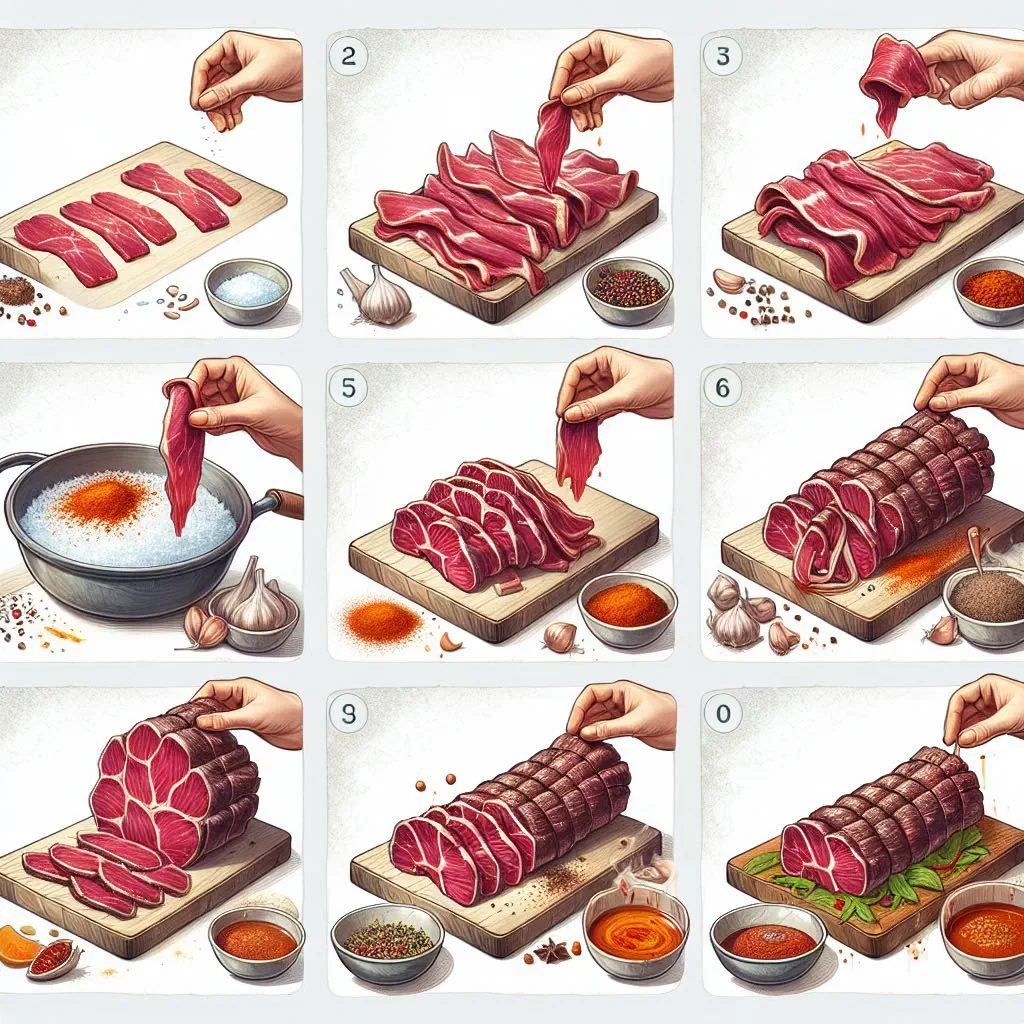
- Cut the air-dried beef into thin slices.
- Work the garlic together with the spices into a smooth paste.
- Spread the spice mixture over the beef and massage it in well.
- Leave the seasoned slices to rest in the fridge for at least an hour.
- Before serving, drizzle with a little olive oil and garnish with extra herbs if you like.
Gluten-free / lactose-free version
The recipe for basterma is naturally gluten-free and lactose-free, since it consists mainly of beef and spices. Just make sure the spices you use contain no additives that might introduce gluten or lactose. Nothing then stands in the way of a thoroughly enjoyable meal, even for those with particular dietary requirements. Serve it with a soft Lavash only if gluten is not an issue for your guests.
Tips for vegans and vegetarians
Although basterma is traditionally made from beef, vegans and vegetarians can turn to plant-based alternatives. Soya or seitan products make an excellent base and can be marinated with exactly the same spice blend. Experiment with different plant proteins until you find the texture and flavour you are after. It is a creative way to enjoy the flavours of Armenia without using any animal products.
More tips and tricks
To get the most out of your basterma, a few extra pointers are worth keeping in mind. Serve the slices on a handsome wooden board with fresh bread or grilled vegetables so guests can put together their own plates. Using a good-quality olive oil for the final drizzle lifts the aromas further still. The choice of accompaniments lets you vary the dish endlessly, much as you would around a platter of Khorovats.
Adapting the recipe to your taste
Another advantage of basterma is how flexible it is. Depending on your preference you can vary the spices or add extra herbs such as parsley or coriander. If you like more heat, scatter over a little chilli or cayenne pepper. That way you create an individual flavour experience each time, tuned precisely to your own taste.
Ingredient substitutions
If certain ingredients are hard to come by, there are plenty of alternatives. Beef can be replaced with chicken or pork, for example, to take the dish in a different direction. The spice blends can vary too, instead of cumin you might reach for garam masala. Simple adjustments like these produce an entirely new version of basterma that may suit your palate even better.
Drink pairing ideas
A number of drinks go beautifully with basterma. A glass of Armenian wine is a natural choice and underlines the savoury aromas of the meat. A lively red wine also works well with this hearty dish. For alcohol-free options, sparkling lemonade or flavoured water with lemon makes a refreshing partner that rounds off the experience.
Serving and presentation ideas
Presentation can lift the whole meal. Serve the slices on a rustic wooden board garnished with fresh herbs. Small bowls of dips or Mediterranean-style sides such as hummus and olives make the spread more varied, and a bowl of Tabouleh adds welcome freshness. Take care to combine the colours of the ingredients harmoniously so the board becomes a visual highlight.
A bit of history
Basterma has a history rooted deep in Armenian culture. Originally developed as a method of preserving meat, it was refined by Armenian cooks and became firmly anchored in the country’s folklore. It is not merely a dish but a symbol of Armenian hospitality. At festive occasions it is often served as a speciality alongside cured favourites such as Sudzhuk, highlighting the enduring link between Armenian cuisine and tradition.
More recipe ideas
Summary: Basterma
All in all, basterma is far more than just a dish; it is plenty of flavour that reflects the rich culinary traditions of Armenia. With its straightforward preparation and countless possibilities for adaptation, it invites you to rediscover it again and again. This air-dried beef is a feast for the senses. Let it inspire you and treat yourself to this splendid delicacy.