National Dish Armenia: Gata (Recipe)
In this article
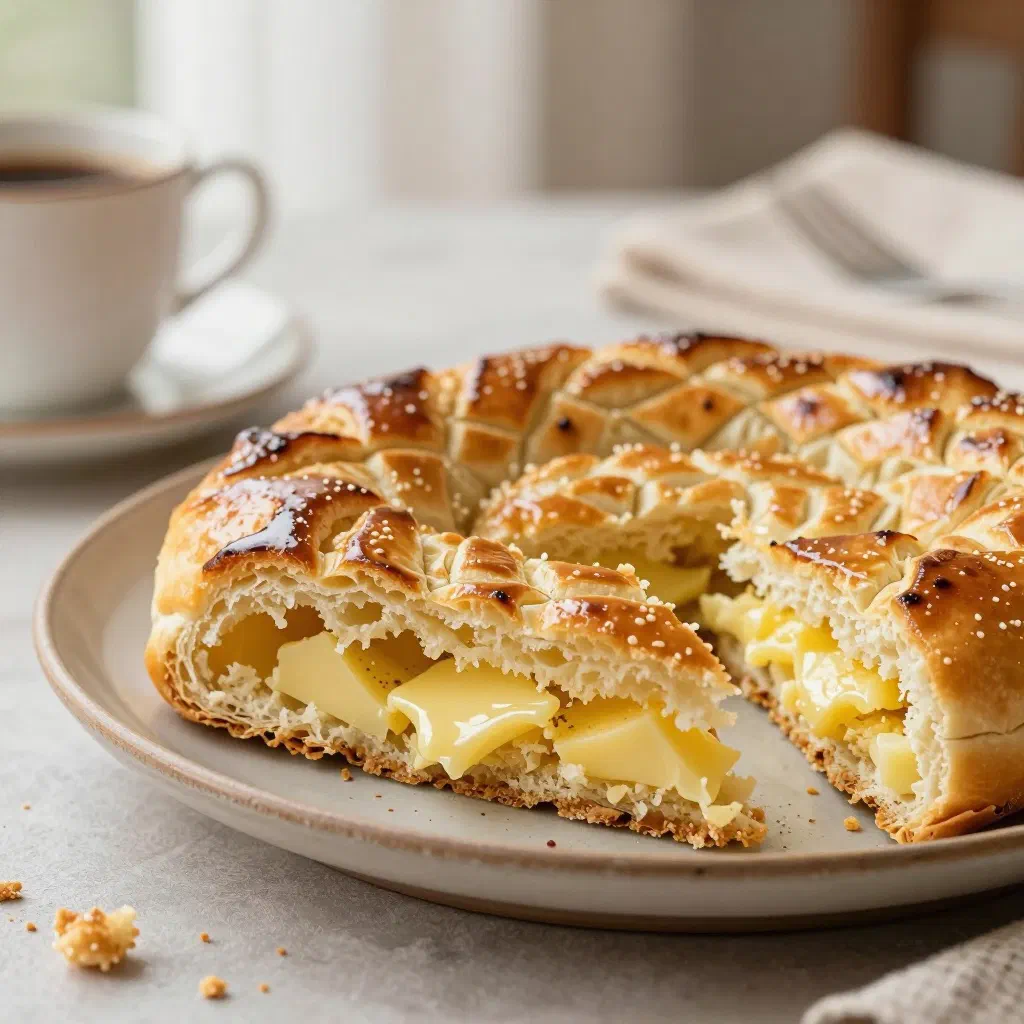
Meet Gata, the golden sweet pastry that Armenian households have been baking for generations. Buttery, tender and filled with a fragrant mixture of walnuts, sugar and cinnamon, it is the kind of bake that fills a kitchen with warmth long before it reaches the table. Traditionally served to guests as a token of hospitality, gata belongs at weddings, feast days and quiet afternoons alike, and it is far easier to make at home than its elegant looks suggest.
About Gata
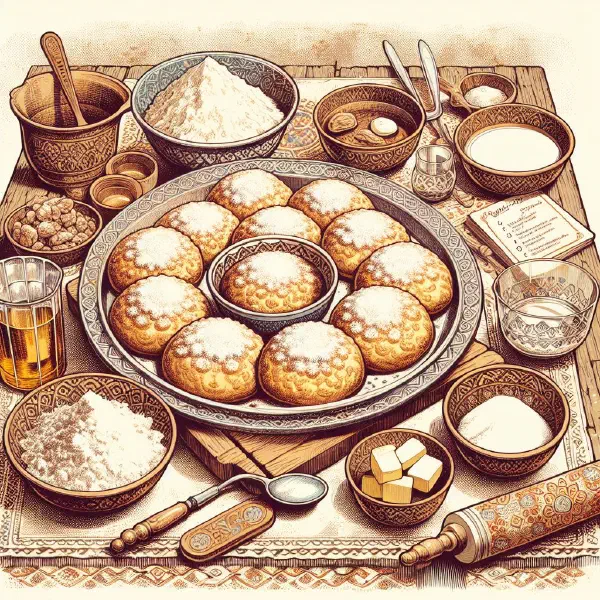
Gata is a traditional Armenian pastry admired well beyond the country’s borders. It is a treat for the palate and a symbol of hospitality and family tradition. The combination of buttery dough and a sweet filling of walnuts, sugar and cinnamon gives gata its unmistakable character. The pastry is often served on festive occasions such as weddings and holidays, forming a delicious bridge between the generations.
Ingredients (serves 1–2)
- 250 g plain flour
- 125 g butter
- 100 g sugar
- 1 egg
- 100 g ground walnuts
- 1 teaspoon ground cinnamon
- 1 pinch of salt
- 1 teaspoon baking powder
- Milk, to bind (as needed)
Shopping for the ingredients
To bake gata you need fresh, good-quality ingredients. Pay particular attention to the butter, as it is what gives the pastry its rich, buttery flavour. Ideally the walnuts should be ground fresh so that their aroma comes through at its best. The remaining ingredients, sugar, flour and baking powder, are easy to find in any supermarket and can be swapped for organic versions if you prefer.
Preparing the dish
Before you start making gata, lay out all your ingredients neatly on the work surface. We recommend sifting the flour in advance so the dough turns out beautifully light. The walnuts and the cinnamon should be mixed together thoroughly so the flavours come through evenly. A good stand mixer or food processor speeds up the process considerably and makes the preparation far less work.
Step-by-step instructions
- Combine the flour, baking powder and a pinch of salt in a bowl.
- Soften the butter and beat it with the sugar until light and fluffy.
- Add the egg and mix well until the mixture is smooth and even.
- Stir in the flour mixture a little at a time until a smooth dough forms.
- Mix the ground walnuts with the cinnamon, then roll out half the dough on a baking tray.
- Spread the walnut and cinnamon mixture evenly over the top.
- Cover with the remaining dough and smooth the surface.
- Bake in a preheated oven at 180°C for about 25–30 minutes, until golden brown on top.
Gluten-free / lactose-free version
Gata can be just as delicious made gluten-free or lactose-free. Replace the wheat flour with a gluten-free flour blend or a mix of ground almonds and coconut flour. For a lactose-free version, use lactose-free butter or coconut oil. These alternatives do nothing to spoil the flavour and allow anyone with particular dietary needs to enjoy this lovely pastry.
Tips for vegans and vegetarians
Vegans can enjoy gata too, simply by replacing the egg with apple purée or a little sunflower oil. Use plant-based butter or margarine for the dough as well. The walnut filling can also be enriched with a mixture of seeds and dried fruit. The flavour stays exactly where it should be, and the pastry remains a generous, satisfying bake, much like the vegan pulses-and-herbs approach behind Vospov Kofte.
More tips and tricks
For the best possible gata, take care not to overwork the dough, so it keeps its short, crumbly texture. Watch the baking time closely, as every oven behaves differently; test the pastry regularly with a skewer. If you want an especially glossy finish, brush the surface with a little beaten egg before baking. That final touch gives the pastry an appetising colour and makes it look wonderfully inviting.
Adapting the recipe to your taste
The gata recipe adapts easily to personal preference. You could add stone fruit or berries to the filling for a fruity note, in the spirit of the dried-fruit sweetness of Alani. If you like things nuttier, try other nuts such as almonds or pecans. The amount of cinnamon can be dialled up or down as you wish; cardamom or nutmeg make for exciting variations too.
Ingredient substitutions
If you are allergic to a particular ingredient or simply fancy a different flavour, there are plenty of alternatives to the standard components. The wheat flour can be replaced with oat flour or rice flour. Instead of sugar, you might use honey or a natural sweetener. Substitutions like these give the bake an individual character and make it accessible to people with specific dietary requirements.
Drink pairing ideas
A good gata goes with a wide range of drinks. An aromatic tea such as black tea or camomile harmonises beautifully with the sweetness of the pastry. A fragrant coffee, perhaps with a splash of milk, is another excellent choice. If you prefer something fruitier, go for a fresh juice or a fruit-based smoothie.
Serving and presentation ideas
Presentation plays an important part in the pleasure of eating. Serve the gata on a decorative cake stand and garnish it with fresh walnuts and a pinch of cinnamon. A few sprigs of greenery or edible flowers here and there round off the look beautifully. Remember to serve each portion on a small plate to create a welcoming impression, the same care you would give a plate of Shakarlama.
A bit of history
Gata has a long history and is closely bound up with Armenian culture. It stands for a tradition of baking passed down across the generations. Gata is often baked for special occasions and festivals, and the recipes vary from region to region. By making this distinctive pastry you bring a piece of Armenian warmth and culture into your own kitchen, alongside the savoury classics of Armenian cuisine.
More recipe ideas
Summary: Gata
Gata is an outstanding example of Armenian baking, bringing together flavour, tradition and genuine warmth. With its buttery texture and sweet filling it is a much-loved pastry for festive occasions. Gata is guaranteed to be a hit. Let this delicious pastry inspire you and enjoy a piece of Armenian culture in your own kitchen.