National Dish Armenia: Havgitov Hats (Recipe)
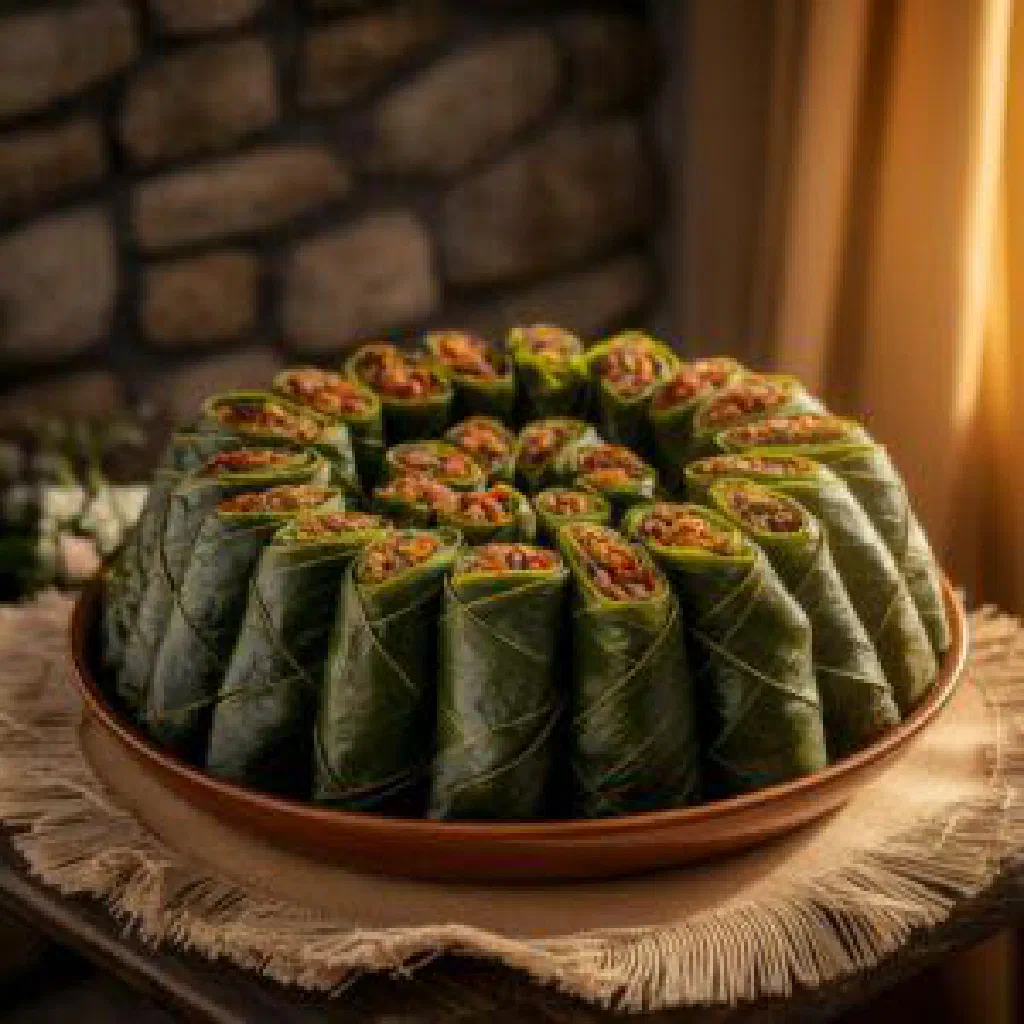
In this article
Meet Havgitov Hats, a warming Armenian classic built on tender meat, sweet vegetables and a generous hand with the spice tin. It is the kind of dish that fills a kitchen with the smell of cumin and softly frying onions long before anyone sits down to eat. Traditionally brought out for feast days and family gatherings, it is straightforward enough for a weeknight yet special enough for guests. One pan, a handful of good ingredients, and you have a taste of the Armenian highlands.
About Havgitov Hats
Havgitov Hats is a traditional Armenian dish defined by its unique pairing of tender meat and fragrant spices. It reflects the country’s rich culinary heritage and is usually finished with fresh herbs and crisp vegetables. Cooking it is a pleasure at the stove and a way of discovering the cultural roots of Armenia, a tradition it shares with dishes such as Khashlama. At festive occasions in particular, this dish is brought to the table to impress everyone gathered around it.
Ingredients (serves 1–2)
- 500 g beef (or lamb)
- 1 onion
- 2 cloves of garlic
- 2 carrots
- 1 pepper
- 1 tsp cumin
- 1 tsp paprika
- Fresh herbs (parsley or coriander)
- Salt and pepper to taste
- Olive oil, for frying
Shopping for the ingredients
When shopping for the ingredients for Havgitov Hats, the quality of the meat matters most. Choose fresh, well-marbled beef or lamb to get the fullest flavour. The vegetables and herbs should be equally fresh so their aromas come through clearly in the finished pan. Most of these ingredients are easy to find in a regular supermarket, though a weekly farmers’ market usually offers a wider and livelier choice.
Preparing the dish
Preparing the dish takes very little time, but it pays to have everything ready before the pan goes on the heat. Start by cutting the meat into small cubes and chopping the vegetables into even pieces. The onion and garlic should be finely chopped, while the carrots and pepper are best cut into strips or dice. This groundwork speeds up the cooking and makes sure everything cooks through at the same rate.
Step-by-step instructions
- Heat a little olive oil in a pan and fry the onion and garlic until golden brown.
- Add the meat and brown it on all sides until nicely coloured.
- Tip in the carrots and pepper and fry for about 5 minutes alongside the meat.
- Season with cumin, paprika, salt and pepper, then leave everything to simmer gently until the meat is tender.
- Stir through the fresh herbs just before serving and mix well.
Gluten-free / lactose-free version
Havgitov Hats is naturally gluten-free and lactose-free, since it is built almost entirely from fresh meat and vegetables. Even so, it is worth checking the spice blends and oils you use to be sure no gluten-containing ingredients have slipped in. That makes the dish an excellent choice for anyone cooking around food intolerances. Enjoy it without a second thought about gluten or lactose.
Tips for vegans and vegetarians
For vegans and vegetarians, Havgitov Hats adapts easily. In place of meat, use plant-based proteins such as tofu or seitan, which offer a comparable texture and bite. A version built on pulses like lentils or chickpeas works beautifully too, much as in Vospov Kofte. With the same spices and plenty of fresh vegetables, the hearty character of the dish survives the switch intact.
More tips and tricks
To make Havgitov Hats even more aromatic, add extra spices and herbs to suit your own palate. Experimenting with different vegetables can bring surprising new notes to the pan as well. Try the dish in a few variations and you may well land on a personal signature version. Cooking is a craft that rewards creativity and individual taste.
Adapting the recipe to your taste
If you have particular preferences or dislikes, the recipe bends willingly to accommodate them. The point is to cook what tastes best to you. Adjust the cooking times accordingly to get the best results from whatever you put in. That way your Havgitov Hats becomes a genuinely personal favourite.
Ingredient substitutions
There are plenty of alternatives to the classic ingredients in Havgitov Hats. Instead of beef or lamb you can use chicken, which brings a milder, gentler flavour. For a plant-based version, chickpeas or even mushrooms do a fine job of standing in for the meaty texture. Be creative as you adjust the recipe and you will uncover new flavour combinations along the way.
Drink pairing ideas
A hearty dish like Havgitov Hats sits happily alongside many drinks. A dry red wine, such as an Armenian Areni, harmonises wonderfully with the richness of the meat. For alcohol-free options, consider a sparkling lemonade or a fresh mint tea, both of which lift the flavours in a refreshing way. Yoghurt drinks such as ayran are the traditional choice for rounding the meal off.
Serving and presentation ideas
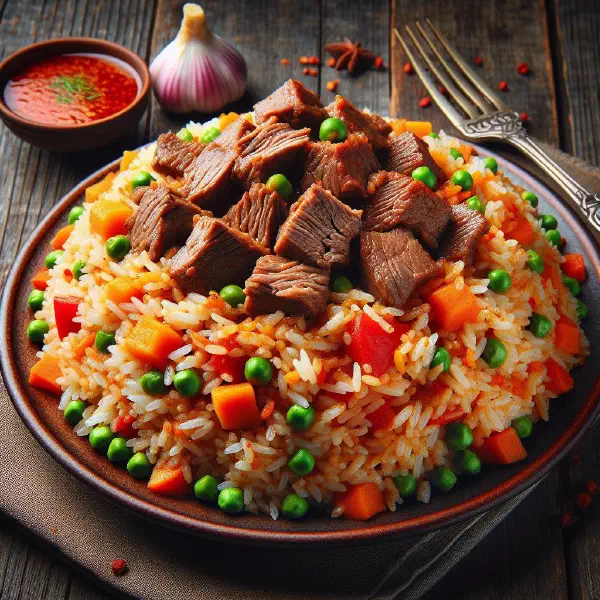
A thoughtful presentation makes the whole Havgitov Hats experience better. Serve the dish on an attractive plate and garnish it with fresh herbs or slices of lemon. A few pieces of warm Lavash or a side of rice make elegant companions. Aim for colours and textures that complement one another so the plate is a pleasure to look at as well as to eat.
A bit of history
Havgitov Hats has a long history in Armenian cuisine and is a fine example of the traditional way meat dishes are prepared in Armenia. The combination of local ingredients and recipes passed down through generations gives the dish its particular character. It is closely associated with hospitality and good company, which is why it turns up so often at celebrations. This culinary tradition shows just how deeply Armenian culture and cooking are woven into everyday life.
More recipe ideas
Summary: Havgitov Hats
Havgitov Hats is a delicious, satisfying dish that captures something essential about Armenian culture. With its pairing of tender meat and fragrant spices, it suits festive occasions and quiet evenings at home equally well. The recipe is easy to tailor to personal taste and offers no shortage of room for variation. We hope the range and harmony of its flavours win you over and that it earns a place in your kitchen.