National Dish Armenia: Piti (Recipe)
In this article
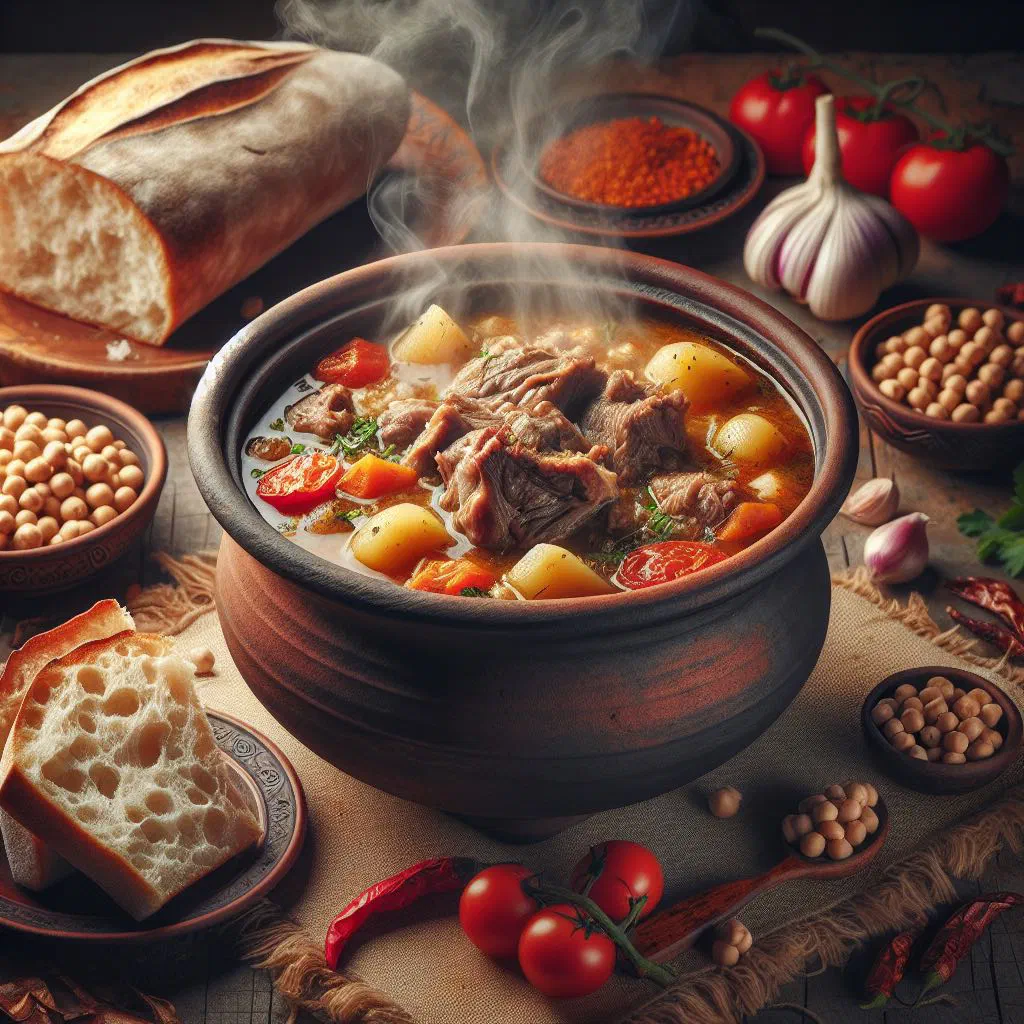
Discover Piti, a slow-simmered stew that sits at the very heart of Armenian home cooking. Tender lamb, creamy chickpeas and sweet root vegetables are cooked for hours in small clay pots until everything melts together into something deeply comforting. Warmly spiced and unhurried, it is the kind of dish that fills a kitchen with wonderful aromas long before it reaches the table.
About Piti
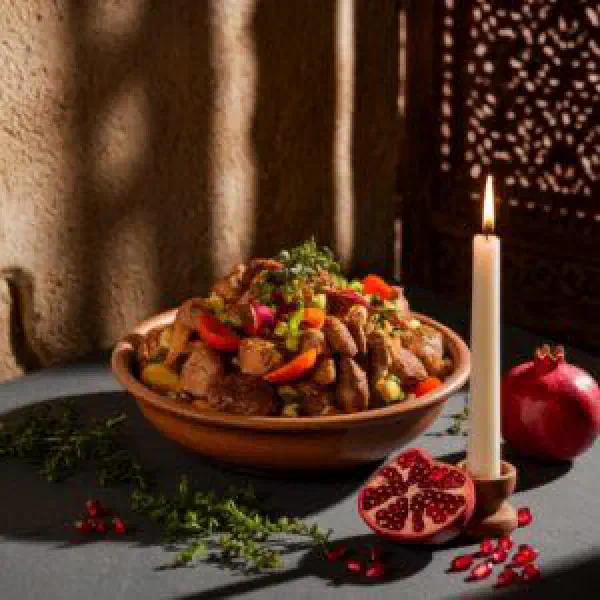
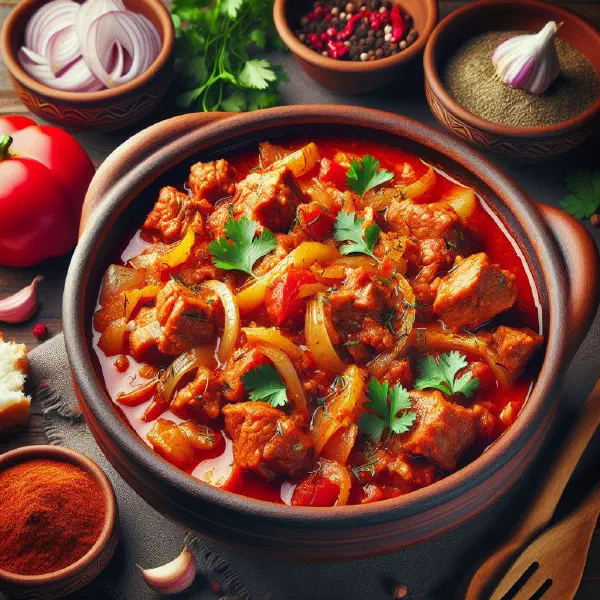
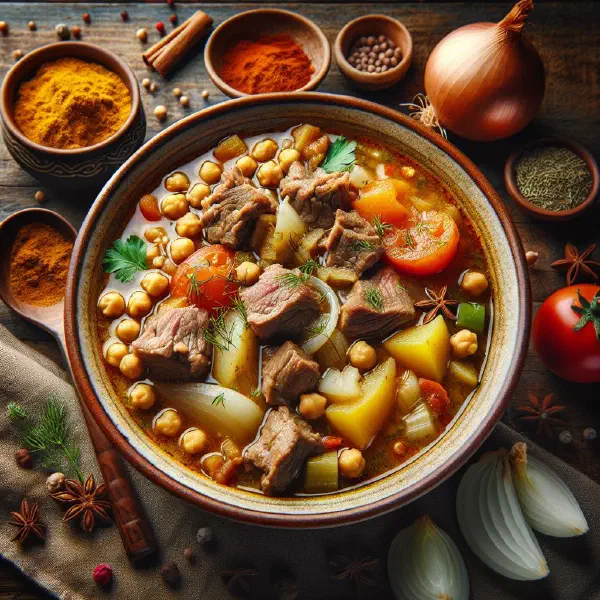
Piti is a time-honoured Armenian dish that is as nourishing as it is full of flavour. Its defining feature is the way it is cooked in special clay pots, which trap the aromas and let the slow, patient cooking technique do its work. The combination of lamb, chickpeas and a generous handful of aromatic spices makes every spoonful a small celebration. The dish is a fine example of the culture and tradition of Armenia, and its reputation reaches far beyond the country’s borders.
Ingredients (serves 1–2)
- 300 g lamb (shoulder or leg)
- 100 g chickpeas (dried or tinned)
- 1 onion
- 2–3 cloves of garlic
- 2–3 carrots
- 300 ml water or stock
- Salt and pepper
- Aromatic spices (cumin, paprika and a peppercorn blend)
Shopping for the ingredients
For the best possible result, choose fresh ingredients of good quality. Visit a local market or a specialist food shop to find properly fresh lamb. If you are using chickpeas, dried ones are worth the extra effort because they carry far more flavour, though they will need soaking beforehand. Take care over the spices too, since they have the single biggest influence on how the finished stew tastes.
Preparing the dish
Begin by soaking the chickpeas in water for at least eight hours, or overnight, if you are working with dried ones. Cut the lamb into cubes and chop the onion, garlic and carrots. This groundwork, the soaking above all, is what guarantees a truly delicious result. With the preparation done properly, you can be confident that all the flavours will come together in harmony, much as they do in a hearty Bozbash.
Step-by-step instructions
- Drain the soaked chickpeas and set them aside.
- Brown the lamb in a clay pot until it takes on a good golden colour.
- Add the onion, garlic and carrots to the meat and continue to fry.
- Stir in the chickpeas and the spices and mix everything together well.
- Pour in the water or stock, bring to the boil, then leave to simmer gently over a low heat for 2–3 hours.
Gluten-free / lactose-free version
The recipe for Piti is naturally gluten-free and lactose-free, as it contains no wheat-based or dairy ingredients at all. That makes it an excellent choice for anyone living with these intolerances. Do check that your spice blends are free from gluten-containing fillers, as some ready-mixed versions are not. You can also switch to a vegetable stock if you want to move the recipe towards a plant-based diet.
Tips for vegans and vegetarians
To prepare Piti for vegans or vegetarians, replace the lamb with a mixture of vegetables such as courgette and aubergine. Tofu or seitan work nicely as an additional source of protein. Choose your spices and stock with care so that the depth of flavour does not get lost along the way. Meat-free versions are every bit as satisfying and add welcome variety to the Armenian table, in the same spirit as Vospov Kofte.
More tips and tricks
A few simple tricks will bring out the full character of Piti. Ideally, let the finished stew rest overnight before serving, as the flavours grow noticeably deeper. When you bring it to the table, scatter over fresh herbs such as parsley or coriander for a bright, fresh note. And serve it in the traditional clay pots wherever you can, the vessel is part of the experience, not just the cooking.
Adapting the recipe to your taste
Piti adapts easily to personal preference. Experiment with different vegetables and spices to uncover new flavour combinations. If you would rather have something gentler, simply reduce the quantity of spice or reach for milder varieties. Small personal touches are exactly what turn a traditional recipe into a household favourite.
Ingredient substitutions
If you cannot find every ingredient, there are plenty of good alternatives. Lentils make a fine stand-in for chickpeas and bring their own earthy sweetness. In place of lamb you might use chicken, or even a plant-based meat substitute. Swaps like these let you fit the dish around your own preferences or dietary needs without losing any of its comforting flavour.
Drink pairing ideas
The right drink completes the pleasure of a bowl of Piti. A full-bodied Armenian red wine is an outstanding match, echoing the richness of the stew. Alternatively, a mild fruit juice or still water with a squeeze of lemon will balance the spices nicely. Thoughtful pairing turns a good meal into a memorable one.
Serving and presentation ideas
Presentation can lift the whole Piti experience considerably. Use traditional clay pots for serving, since they are both practical and lovely to look at. Garnish with fresh herbs and a squeeze of lemon for a splash of colour. Laying everything out on a large platter, or giving each guest their own small pot, creates an inviting atmosphere at the table, especially with warm Lavash alongside for mopping up the broth.
A bit of history
Piti is rooted deep in Armenian history and has been a much-loved dish for centuries. Cooking in clay pots is an old craft, passed down from one generation to the next. Originally made in rural households, it found its way into city kitchens and today serves both as everyday food and as part of festive occasions. That cultural depth gives the dish real meaning and connects people with their own past, one of the great pleasures of Armenian cuisine.
More recipe ideas
Summary: Piti
In short, Piti is far more than a simple stew; it is a culinary experience that captures the soul of Armenian cooking. Fresh ingredients and long, slow cooking give it a flavour that lingers in the memory. Whether shared among friends or served at a celebration, this warming dish brings comfort and good cheer to any table. Let the character of Piti win you over and try it for yourself.