National Dish Armenia: Sarmale (Recipe)
In this article
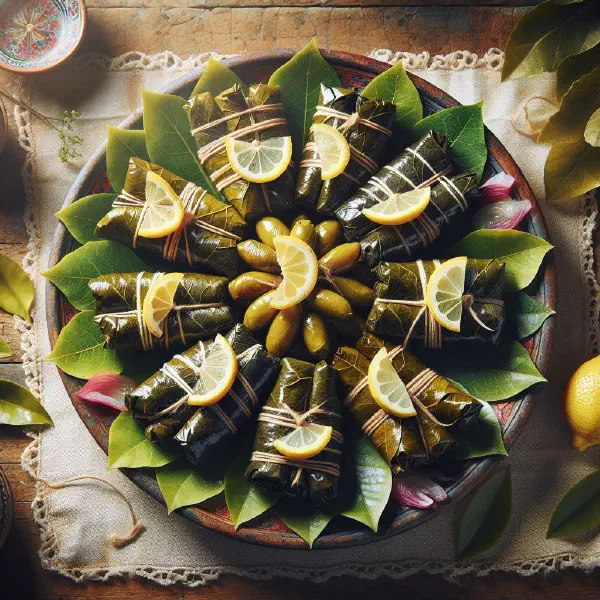
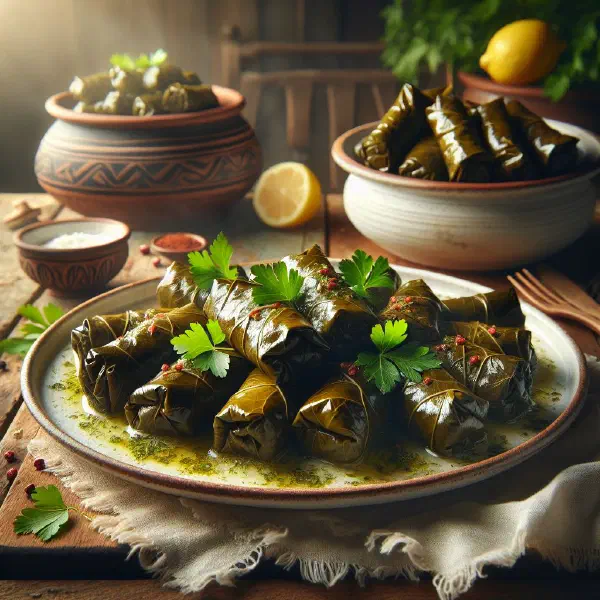
Discover Sarmale, Armenia’s beloved parcels of stuffed vine leaves. Tender leaves are wrapped around a fragrant filling of spiced meat, rice and fresh herbs, then gently simmered until every bite is soft and deeply savoury. Brightened with lemon and glossed with olive oil, they are a dish made for sharing, the sort of recipe families cook together in big batches for feast days and Sunday tables alike.
About Sarmale
Sarmale are stuffed vine leaves that hold a place of honour in Armenian cooking. The dish is loved far beyond Armenia’s borders and has found a home in many neighbouring cuisines, but the Armenian version has its own character: well-seasoned minced beef, fragrant rice and a generous handful of fresh herbs. Sarmale are usually prepared in large quantities and served at special occasions, which is exactly what makes them such a treasured family dish.
Ingredients (serves 1–2)
- 200 g minced beef
- 100 g rice
- 100 g fresh vine leaves (or 1 jar of preserved vine leaves)
- 1 onion
- 2 cloves of garlic
- 1 teaspoon paprika
- 1 teaspoon salt
- 1 teaspoon pepper
- 2 tablespoons olive oil
- Juice of 1 lemon
Shopping for the ingredients
When shopping for sarmale, pay close attention to the quality of each component. Fresh vine leaves are the key to an authentic flavour, so seek them out where you can. If fresh leaves are unavailable, preserved vine leaves from a jar make a perfectly good alternative. They are widely stocked in Middle Eastern and Mediterranean grocers. Local markets and well-stocked supermarkets are your best bet for the freshest herbs and a good cut of mince.
Preparing the dish
Preparation is the first step towards a perfect plate of sarmale. Begin by soaking the rice in water so that it cooks through evenly inside the parcels. Next, combine the minced beef thoroughly with the finely chopped onion, garlic, paprika and the remaining seasonings. This mixture forms the base of the filling, and mixing it properly is what gives every roll a consistent, well-rounded flavour.
Step-by-step instructions
- Rinse the vine leaves thoroughly (especially preserved ones) and trim away the stalks.
- In a bowl, mix the minced beef with the rice, onion, garlic, paprika, salt and pepper until well combined.
- Lay a vine leaf flat on your palm, add a tablespoon of the filling, fold in the sides and roll it up.
- Layer the sarmale in a pan and drizzle with the lemon juice and olive oil.
- Add enough water to cover the rolls and simmer over a medium heat for around 1 hour.
Gluten-free / lactose-free version
Sarmale are easy to prepare without any gluten-containing ingredients. Rice is the main component to check, so simply choose a certified gluten-free rice, or use quinoa as a wholesome alternative that works beautifully in the filling. The recipe is naturally lactose-free as it contains no dairy at all, meaning guests with particular dietary needs can enjoy this dish without a single change to the method.
Tips for vegans and vegetarians
For a vegan or vegetarian version of sarmale, replace the minced beef with a mixture of finely chopped vegetables, lentils or tofu. Cooked green lentils are especially good, seasoned well, they give the filling both body and a pleasant earthiness, much like the meat-free parcels in Pasuts Tolma. Do check that any jarred vine leaves you buy are packed without animal-derived additives, and lean on plenty of fresh herbs for depth.
More tips and tricks
Careful cooking is everything with sarmale. Season the filling generously and mix the ingredients evenly, and the flavour will be noticeably more intense. Let the rolls rest for a few minutes after simmering so the aromas can settle and the leaves firm up. It is also well worth experimenting with different herbs, dill or parsley both add a lovely extra note that lifts the whole dish.
Adapting the recipe to your taste
The great advantage of sarmale is their versatility. Depending on what you prefer, you can adjust the filling and use other meats such as lamb or chicken in place of beef. Fresh spices can be added to taste, letting you personalise the recipe entirely. Give your creativity free rein and try out your own combinations, much as cooks do with the many regional versions of Dolma.
Ingredient substitutions
If certain ingredients are hard to find, there are plenty of alternatives for sarmale. Instead of minced beef you might use minced turkey or even a plant-based mince. For the vegetables in the filling, mushrooms or aubergine are excellent options that bring their own savoury character. Ultimately sarmale adapt to a wide range of diets and tastes without the flavour suffering in the slightest.
Drink pairing ideas
To round off the experience of sarmale, the right drink makes all the difference. A light, fresh white wine pairs perfectly with the delicate acidity of the vine leaves. For an alcohol-free option, serve a fruity sparkling water or an aromatic herbal tea. A homemade fruit smoothie also works nicely, echoing the bright notes of the lemon in the pan.
Serving and presentation ideas
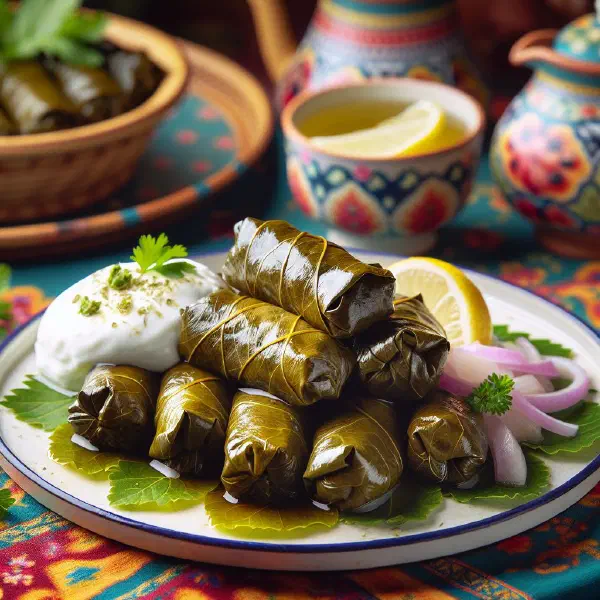
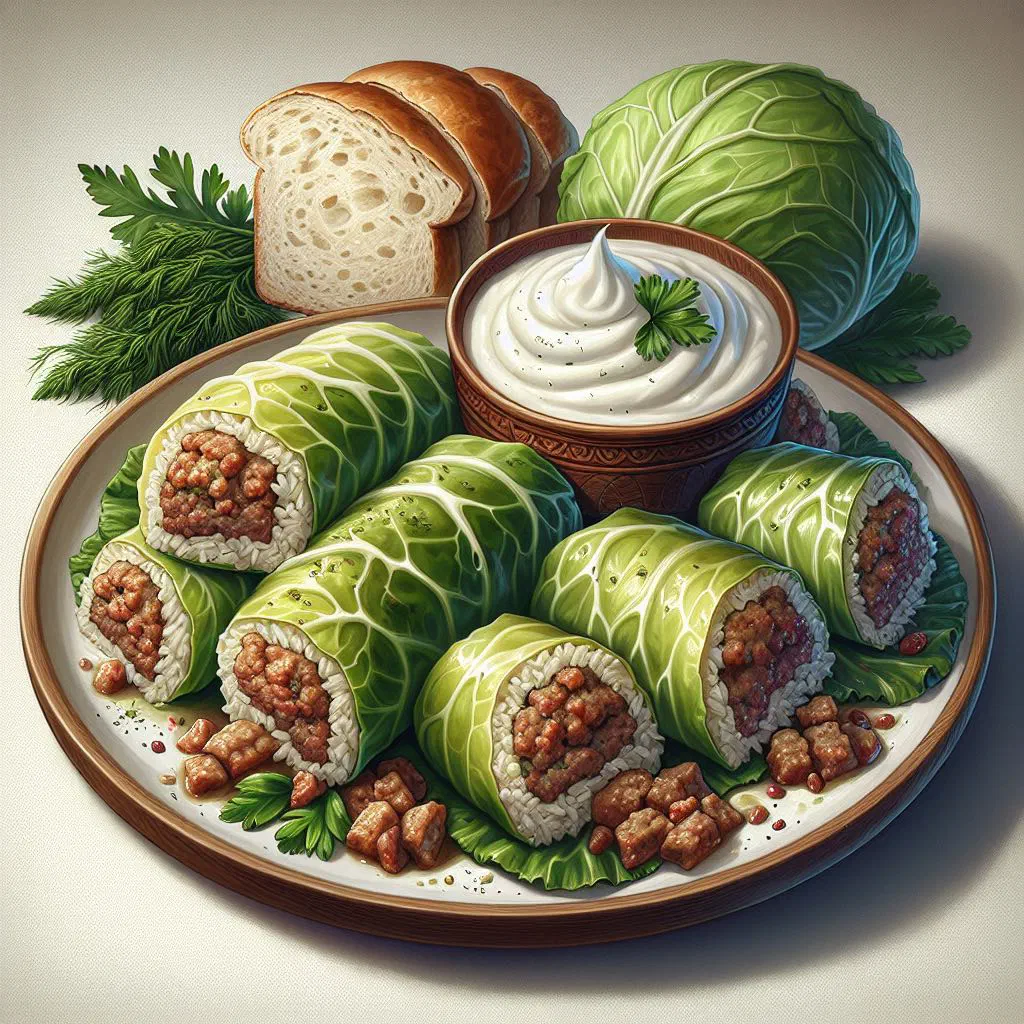
Presentation can lift sarmale even further. Arrange the rolls carefully on a large platter and garnish with fresh herbs for an eye-catching spread. Serving them with a yoghurt dip or a classic garlic sauce turns them into a genuine highlight, and a spoonful of Tarator alongside works just as well. Use colourful accompaniments and attractive serving dishes to strengthen the visual impression.
A bit of history
Sarmale have a long tradition in Armenian cooking and are popular across the whole historical region of the Caucasus. Their origins reach back to antiquity, when they were prepared for feasts and celebrations. In many cultures stuffed vine leaves are seen as a symbol of hospitality and play a part in holiday festivities. Making them is often a family event, with generations gathering to roll and share this treasured part of Armenian cuisine.
More recipe ideas
Summary: Sarmale
In short, Sarmale are a flavourful and remarkably versatile dish that is deeply rooted in Armenian cooking. With their savoury filling and their distinctive method of preparation, they are a culinary highlight and a way to bring Armenia’s rich cultural tradition into your own kitchen. Whether for festive occasions or as an everyday meal, Sarmale deliver the kind of pleasure and warmth that wins over everyone at the table.