National Dish Australia: Witchetty Grub (Recipe)
In this article
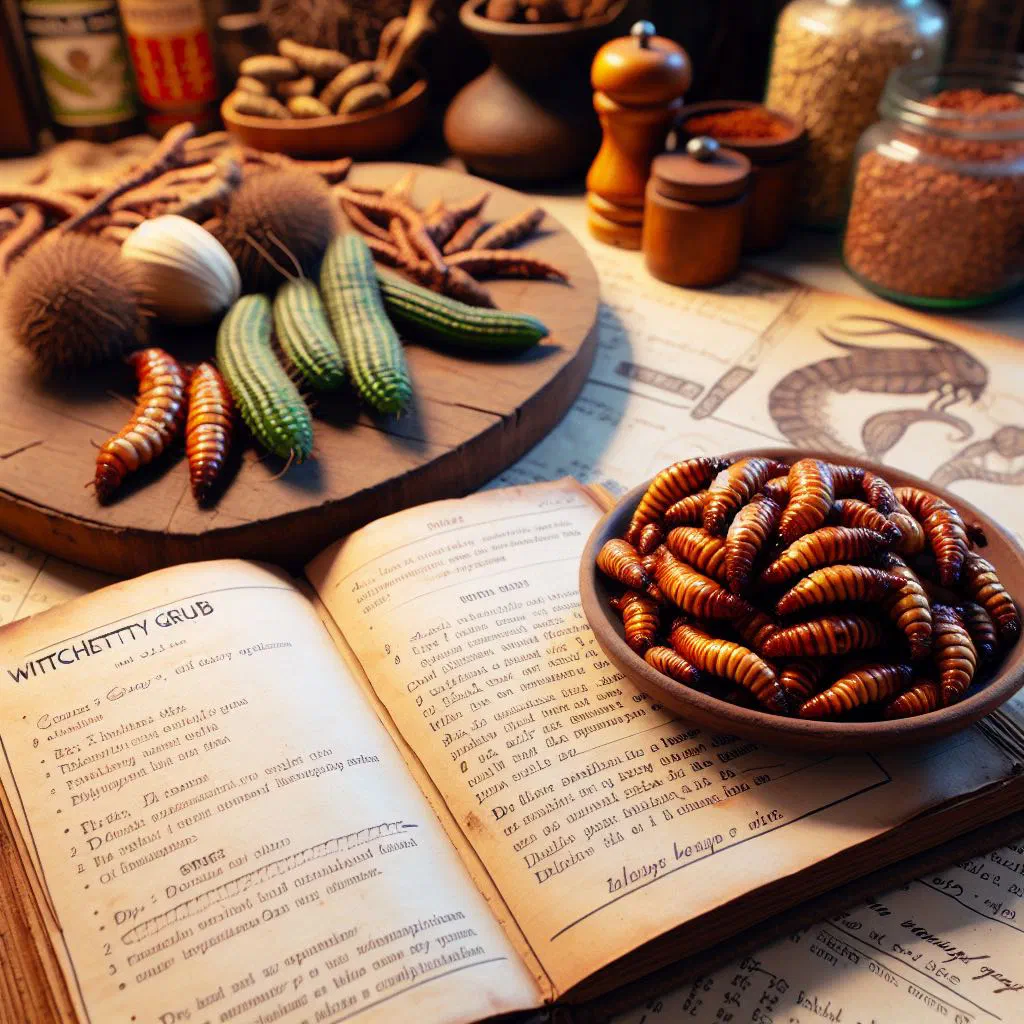
Meet the Witchetty Grub, one of Australia’s most iconic and adventurous bush foods. For tens of thousands of years these plump, protein-rich larvae have nourished the country’s Indigenous peoples, prized for their creamy, nutty flavour and their remarkable texture. Once a survival staple, they now appear on menus that celebrate native ingredients. Tasting one is a genuinely memorable culinary adventure, an edible piece of Australia’s oldest living tradition.
About Witchetty Grub
The Witchetty Grub is a traditional Indigenous dish from Australia, harvested from the roots of the witchetty bush. These nutritious, protein-rich larvae have long been an important food source for Aboriginal communities, and they have since become an intriguing part of modern Australian cooking. They are known for their distinctive taste, often described as creamy and nutty, and for their striking texture, which makes both cooking and eating them a genuinely special experience. Few ingredients connect a plate so directly to the land itself.
Ingredients (serves 1–2)
- 10–12 witchetty grubs
- 2 tablespoons olive oil
- 1 pinch of salt
- 1 pinch of pepper
- Lime juice, to taste
- Fresh herbs (such as coriander or parsley), to garnish
Shopping for the ingredients
Sourcing witchetty grubs can be a challenge depending on where you live. They are, however, often available from specialist delicatessens or from international suppliers who deal in native Australian produce. When buying, look for products that are fresh and clearly labelled so you can be confident of their quality. If you cannot track down the larvae, it is worth thinking about which alternative ingredients matter most so you can approximate the dish at home, much as you might with other bush foods like a hearty Bush Tomato Chutney.
Preparing the dish
Before you start cooking, it is important to clean the witchetty grubs thoroughly. Remove any inedible parts and rinse them gently under running water. It can help to soak the larvae in salted water for a few minutes before cooking, which intensifies their natural flavour. This simple bit of preparation gives you the best possible texture and taste in the finished dish, and sets you up for a smooth cook.
Step-by-step instructions
- Marinate the witchetty grubs in a bowl with the olive oil, salt and pepper.
- Heat a frying pan over medium heat and sauté the grubs for around 3–4 minutes until golden brown.
- Drizzle lime juice over the larvae to lift the flavour.
- Take the witchetty grubs off the heat and garnish with fresh herbs.
Gluten-free / lactose-free version
Witchetty grubs are naturally gluten-free and lactose-free, which makes them an excellent choice for anyone with food intolerances. Just be sure to check that any other ingredients you use are also free from gluten and lactose. That way you can enjoy the dish without worrying about a reaction. It is also a healthy option that fits comfortably within many other dietary approaches.
Tips for vegans and vegetarians
Witchetty grubs are not suitable for vegans or vegetarians, as they are an animal product. There are, however, plenty of vegetables and plant-based ingredients you can use instead to create protein-rich, flavourful dishes. Consider tofu or other plant proteins to recreate a similar texture or taste. In this way you can translate the spirit of the witchetty grub experience into a fully plant-based form, perhaps drawing on a native favourite like Wattleseed Ice Cream to round out the meal.
More tips and tricks
A special dish deserves special attention when it comes to serving. Make sure you plate the grubs on an attractive dish to show off their unique character. Pairing them with a fresh salad or a flavourful sauce can add extra dimensions of taste. It is also worth telling your guests a little about this remarkable Australian delicacy, which makes for a fascinating talking point around the table.
Adapting the recipe to your taste
Witchetty grubs are wonderfully versatile and easy to tailor to different palates. Experiment with different herbs and spices to personalise the dish. You can also add other vegetables or sides to create a more balanced meal. Each time you adjust the recipe you discover new aromas and combinations to enjoy. Think of a smoky partner like Outback BBQ Ribs for a bigger spread.
Ingredient substitutions
If you would rather not use witchetty grubs, there are plenty of alternatives on the market. Crab or prawns offer a seafood option with a similar protein profile, while other native proteins such as Grilled Kangaroo bring their own distinctive character. Keep an eye out for new possibilities so you can keep varying your dishes and adapt the recipe to whatever is available.
Drink pairing ideas
To round off the witchetty grub experience, it is worth choosing a well-matched drink. A cold, refreshing beer or a lightly sparkling white wine sits beautifully alongside the unique flavour of the larvae. If you would prefer something non-alcoholic, consider a citrus lemonade or a fresh iced tea, or even a homemade Ginger Beer.
Serving and presentation ideas
Presentation plays a key role in how witchetty grubs are perceived. Use attractive, creative plates to bring out the colours and texture of the ingredients. Garnish the dish with fresh herbs to lend the whole thing an elegant finishing touch. We eat with our eyes first, so do not be afraid to be imaginative when you arrange the plate.
A bit of history
Witchetty grubs carry a deep cultural history in Australia and remain an important food for Aboriginal communities. These larvae were traditionally served at ceremonies and on special occasions. As Indigenous knowledge and preparation methods have spread, the witchetty grub has found a place in modern gastronomy too. Today it is regarded as a delicacy that is nutritious and reflects the heritage and traditions at the heart of Australian cuisine.
More recipe ideas
Summary: Witchetty Grub
The witchetty grub is far more than just a dish; it is a cultural experience that reflects the history and traditions of Australia. These larvae are nutritious, versatile and offer a genuinely exciting option in the kitchen. With fresh ingredients and a little creative preparation, anyone can discover the experience of witchetty grubs on their own plate. Over the years it has earned recognition among Aboriginal communities and in a modern gastronomy that is showing ever greater interest in native ingredients.