National Dish Austria: Asparagus Risotto (Recipe)
In this article
Few dishes capture the spirit of springtime quite like Asparagus Risotto. This Austrian favourite marries the tender bite of fresh asparagus with the velvety, slow-cooked creaminess of risotto rice, resulting in a plate that feels both refined and wonderfully comforting. At its best in the asparagus season, it is the kind of dish that turns a simple supper into a small celebration. Bring a taste of Austria to your own kitchen and enjoy a bowl of pure seasonal indulgence.
About Asparagus Risotto
Asparagus Risotto is a much-loved dish that has won over Austrians and visitors alike. It brings together the freshness of asparagus and the creamy texture of risotto to create a truly first-class culinary experience. The dish is especially popular during the spring months, when asparagus is at the height of its season and tastes its very best. Give it a go and bring an authentic Austrian flavour straight to your table.
Ingredients (serves 1–2)
- 200 g green or white asparagus
- 150 g risotto rice (Arborio or Carnaroli)
- 1 small onion
- 2 tbsp olive oil
- 100 ml white wine
- 500 ml vegetable stock
- 50 g grated parmesan
- 1 tbsp butter
- Salt and pepper, to taste
- Fresh herbs (such as parsley or basil), to garnish
Shopping for the ingredients
When shopping for the ingredients for asparagus risotto, freshness should be your top priority. The asparagus ought to be crisp and firm rather than soft, as this guarantees the best possible flavour. Risotto rice is available in most supermarkets, look out for the Arborio or Carnaroli varieties, which are specially suited to risotto dishes. Where you can, reach for organic ingredients to keep the dish as natural as possible.
Preparing the dish
Begin by peeling the asparagus (for green asparagus, only the bottom third needs peeling) and cutting it into bite-sized pieces. Finely chop the onion and set it aside together with the asparagus. Warm the vegetable stock gently so it is ready when you need it. Keeping all your ingredients close to hand ensures a smooth, unhurried cooking process.
Step-by-step instructions
- Heat the olive oil in a large pan and sauté the onion until translucent.
- Add the risotto rice and toast it briefly until the grains turn slightly glassy.
- Pour in the white wine and let it cook down, stirring constantly.
- Gradually add the hot vegetable stock, one ladle at a time, stirring continuously.
- After the rice has cooked for about 15 minutes, add the asparagus and let the risotto simmer for a further 5 minutes.
- Once the rice is tender, stir through the grated parmesan and the butter, then season with salt and pepper.
- Plate the risotto and garnish with fresh herbs. Serve immediately.
Gluten-free / lactose-free version
Enjoying asparagus risotto gluten-free requires no special adjustments at all, as rice is naturally free from gluten. For a lactose-free version, simply swap the parmesan for a lactose-free cheese alternative and use a plant-based oil in place of butter. Do also check that your vegetable stock contains no traces of gluten or lactose.
Tips for vegans and vegetarians
Asparagus risotto is easily turned into a vegan dish. Instead of parmesan, you can use nutritional yeast as a savoury cheese substitute, and the butter can be replaced with margarine or a plant-based oil. For the stock, look for one of the many vegan vegetable stocks available in any well-stocked supermarket. The result is just as satisfying as the classic, much like a comforting bowl of Pumpkin Soup.
More tips and tricks
A good risotto lives and dies by constant movement. Stir regularly so the rice does not stick to the bottom of the pan and so it reaches that all-important creamy consistency. Feel free to experiment with different herbs and spices to give your asparagus risotto a personal touch. A splash of lemon juice can also freshen the dish and round it off beautifully.
Adapting the recipe to your taste
Tailor your asparagus risotto exactly to your liking. Peas, mangetout or mushrooms all fold in wonderfully, adding extra aromas and textures. Season as you please with garlic and herbs such as thyme or rosemary to give the dish an individual character. Creativity is positively encouraged here.
Ingredient substitutions
If asparagus is not to your taste or simply not in season, you can swap it for other vegetables such as broccoli, carrots or peppers. In place of white wine you might use extra vegetable stock or even apple juice, which lends the risotto a flavour all of its own. Let whatever you have in the cupboard inspire you, the same spirit of improvisation that gives a Mushroom Cream Sauce its character.
Drink pairing ideas
A dry white wine such as a Grüner Veltliner or Sauvignon Blanc is a superb match for asparagus risotto. These wines underline the delicate flavours of the asparagus without overpowering them. For an alcohol-free alternative, citrus-led spritzers or herbal lemonades work beautifully. Try a few options and see which one you like best.
Serving and presentation ideas
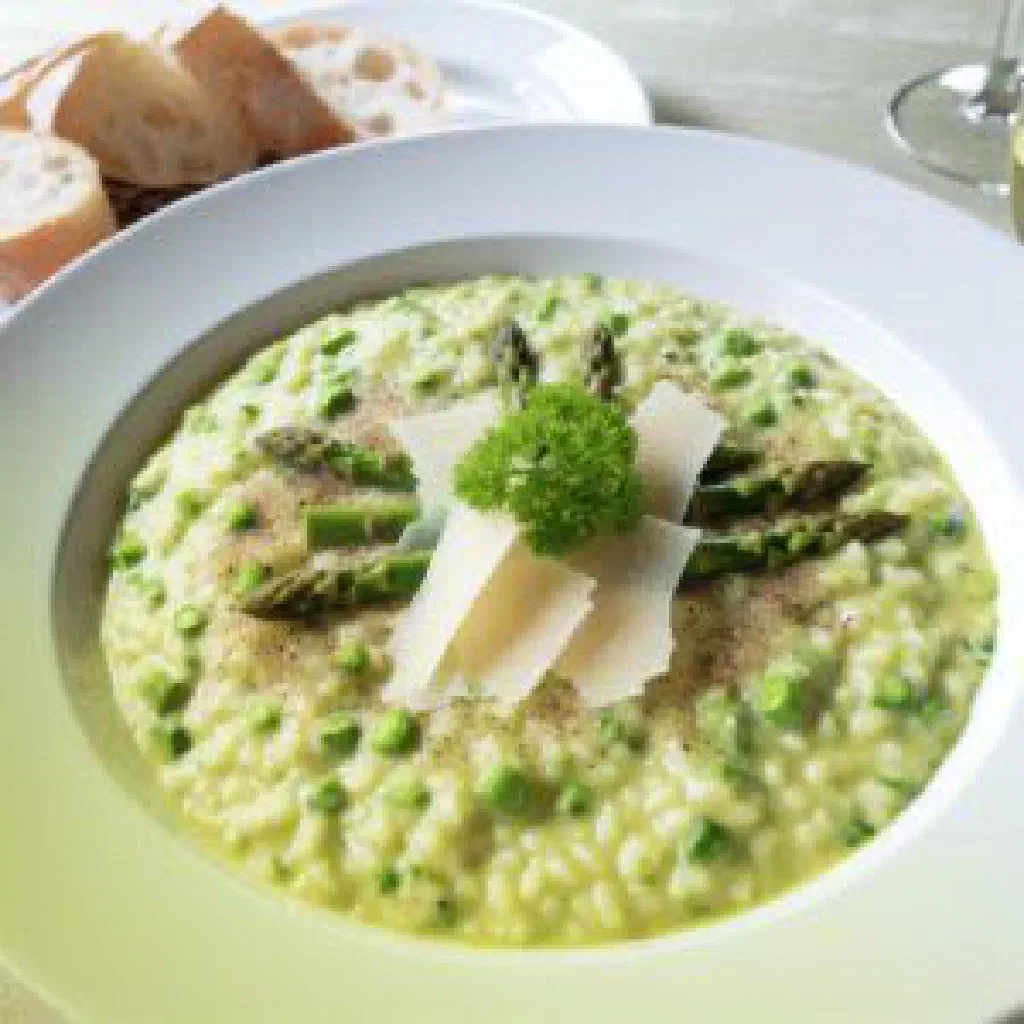
A dish always tastes better when it is attractively presented. Serve the asparagus risotto on a pale plate and garnish it with fresh herbs and a drizzle of olive oil. A few parmesan shavings on top add a final visual flourish, while asparagus tips or edible flowers make lovely decorative touches.
A bit of history
Risotto originated in Italy but has found a strong following in Austria, particularly in regions with a marked Italian influence. Asparagus risotto therefore brings two cultures together: Italian culinary craft and Austria’s deep love of asparagus. Asparagus itself has a long heritage, having been prized and cultivated across Europe for centuries, a tradition that runs through much of Austrian cuisine.
More recipe ideas
Summary: Asparagus Risotto
Asparagus risotto is a delicious and wholesome dish that adapts readily to individual needs. With fresh ingredients and a little patience, you can conjure up a genuine taste sensation on your plate. The recipe suits experienced cooks and beginners alike, and brings a slice of Austrian cooking into your kitchen. Let it inspire you, and enjoy every spoonful.