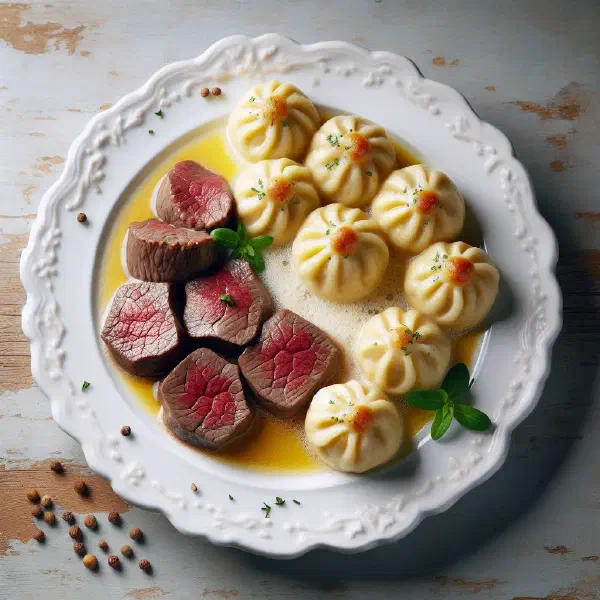
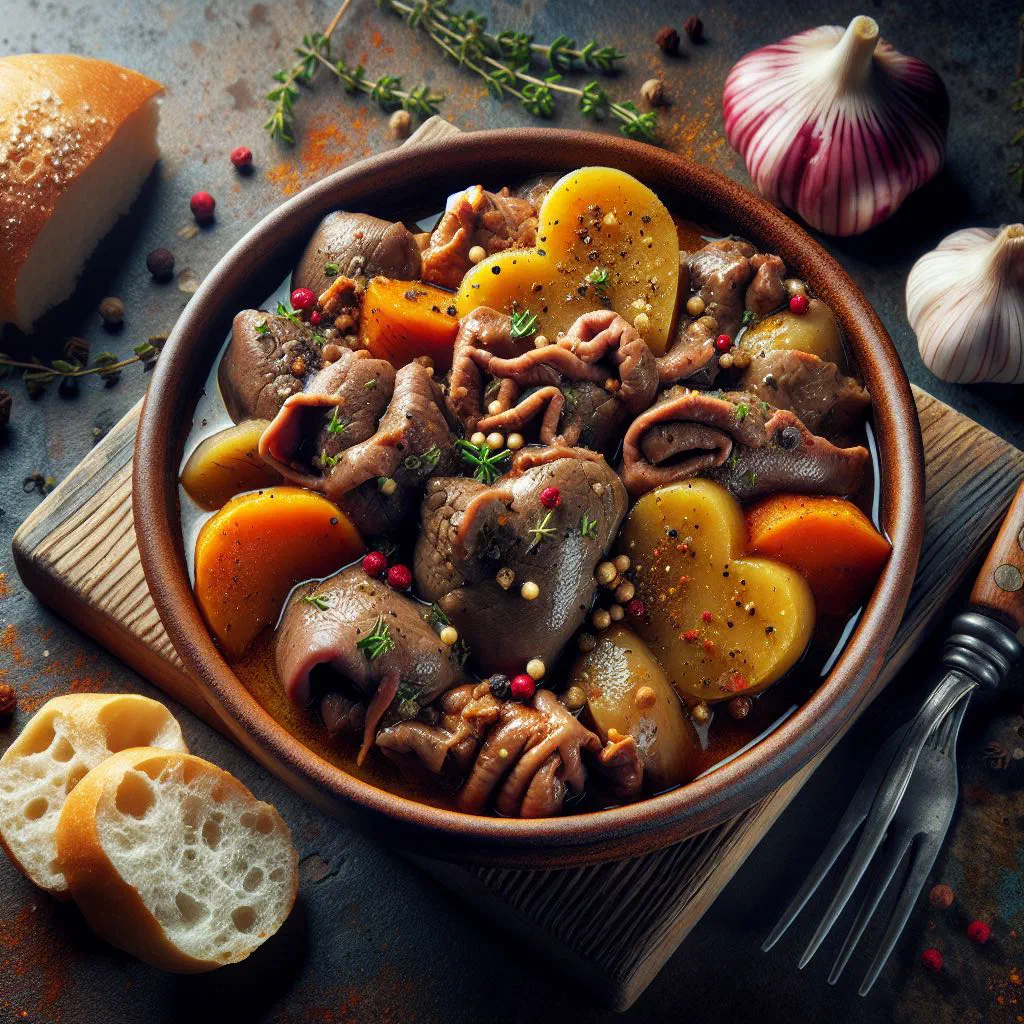
National Dish Austria: Beuschel (Recipe)
In this article
Few dishes capture the soul of old Vienna quite like Beuschel, a richly savoury ragout of finely sliced lung and heart bound in a tangy, aromatic sauce. A genuine delicacy with centuries of tradition behind it, it comes into its own on cold winter days, when its warming depth and gentle sharpness are most welcome. For anyone keen to explore the heartier side of Austrian cuisine, this is a classic well worth mastering at home.
About Beuschel
Beuschel is a traditional dish from Austria that is often described as a real delicacy. At its heart is a ragout of finely sliced veal or beef lung and heart, served in a well-seasoned, gently piquant sauce. It has held a firm place in Austrian cooking for centuries and is enjoyed above all during the colder months. Anyone who loves the country’s culinary heritage should give this dish a try, much as they would a plate of Tafelspitz or a steaming bowl of Viennese Goulash.
Ingredients (serves 1–2)
- 500g veal or beef lung
- 1 heart (veal or beef)
- 2 onions
- 2 tablespoons flour
- 1 carrot
- 1 tablespoon tomato purée
- 500ml beef stock
- 100ml white wine
- 1 bay leaf
- 3–4 peppercorns
- Salt and pepper
- 2 tablespoons clarified butter
- 2 tablespoons white wine vinegar
- Cream (optional)
Shopping for the ingredients
Sourcing the ingredients may seem tricky at first, but a good butcher or a weekly farmers’ market will set you right. Most important are fresh veal or beef lung and heart, so look for offal of high quality with a clean smell and firm texture. The remaining ingredients, onions, carrots and basic spices, are easy to find in any supermarket, which keeps the overall shop simple.
Preparing the dish
Before you start cooking, every ingredient should be thoroughly cleaned and made ready. The lung and heart need a good soak in water, with any sinews and cartilage trimmed away. Peel the onions and carrot and dice them finely. A proper mise en place makes the rest of the preparation far smoother and lets you work at a calm, steady pace.
Step-by-step instructions
- Heat the clarified butter in a large pan and sauté the finely diced onions until golden brown.
- Add the diced heart and lung and sear them over a high heat.
- Stir in the tomato purée and flour and let them toast briefly.
- Deglaze with the white wine and beef stock, then add the bay leaf, peppercorns and diced carrot and stir well.
- Let the mixture simmer over a medium heat for around 90 minutes, until the meat is tender.
- Season with salt, pepper and white wine vinegar. Stir in a little cream if you would like a creamier consistency.
Gluten-free / lactose-free version
For a gluten-free version, the flour can be replaced with cornflour or a gluten-free flour blend. To keep the dish lactose-free, simply leave out the cream or use a lactose-free alternative. These tweaks barely alter the flavour and make beuschel accessible to anyone with an intolerance.
Tips for vegans and vegetarians
For a vegan or vegetarian take, the animal products can be left out altogether, though the true character of beuschel is naturally lost in the process. Good alternatives are mushrooms such as oyster or shiitake, which give a similar texture and bite. The sauce can then be built on vegetable stock and a plant-based cream.
More tips and tricks
One trick for especially tender meat is a long, slow simmer at a low temperature. If you like your beuschel more aromatic, add a few juniper berries or cloves. For a filling meal, bread dumplings make a superb side, much as they do alongside Rindsgulasch with Bread Dumplings. Beuschel also freezes well and can be gently reheated another day.
Adapting the recipe to your taste
The recipe lends itself beautifully to personal preference. For a sharper note, add a pinch of cayenne pepper. If you prefer things milder, cut back on the pepper and use a little more carrot. Depending on your taste, fresh herbs such as parsley or thyme can also be folded through right at the end.
Ingredient substitutions
If certain ingredients are hard to find, there are plenty of alternatives. Pork heart can stand in for veal or beef heart, while a good-quality instant stock works at a pinch in place of homemade. If you would rather avoid white wine, swap it for apple juice or extra stock to lend the dish a slightly sweeter edge. Those who enjoy this kind of offal cookery may also like Roasted Liver.
Drink pairing ideas
A dry white wine such as a Grüner Veltliner pairs wonderfully with beuschel. A glass of cold beer, ideally an Austrian lager, also stands up nicely to the dish’s robust flavours. For an alcohol-free option, a herbal lemonade or a sparkling apple juice rounds things off well, complementing the ragout to perfection.
Serving and presentation ideas
A few simple touches lift the presentation of beuschel. Serve the ragout in a shallow bowl and garnish with fresh herbs such as parsley or chives. Crusty slices of bread or freshly made bread dumplings make ideal accompaniments. We eat with our eyes first, and an inviting plate raises the whole experience to another level.
A bit of history
Beuschel has a long tradition in Austrian cuisine and has its roots in farmhouse cooking, where it was vital to use every part of the animal. Today it is a much-loved dish in both fine dining and home kitchens. In and around Vienna it enjoys near cult status, reflecting the Austrian love of good food and the dedication to high-quality, traditional ingredients, the same spirit found in a crisp Wiener Schnitzel.
More recipe ideas
Summary: Beuschel
Beuschel is a hearty, traditional Austrian dish that wins everyone over with its tangy sauce and tender, slow-cooked offal. The preparation calls for a little time and patience, but it rewards you with a truly distinctive eating experience. Its adaptability means you can tailor it to personal taste and to particular dietary needs alike. Discover this classic of Austrian cooking and savour a genuine piece of culinary history.