National Dish Austria: Dumpling Soup (Recipe)
In this article
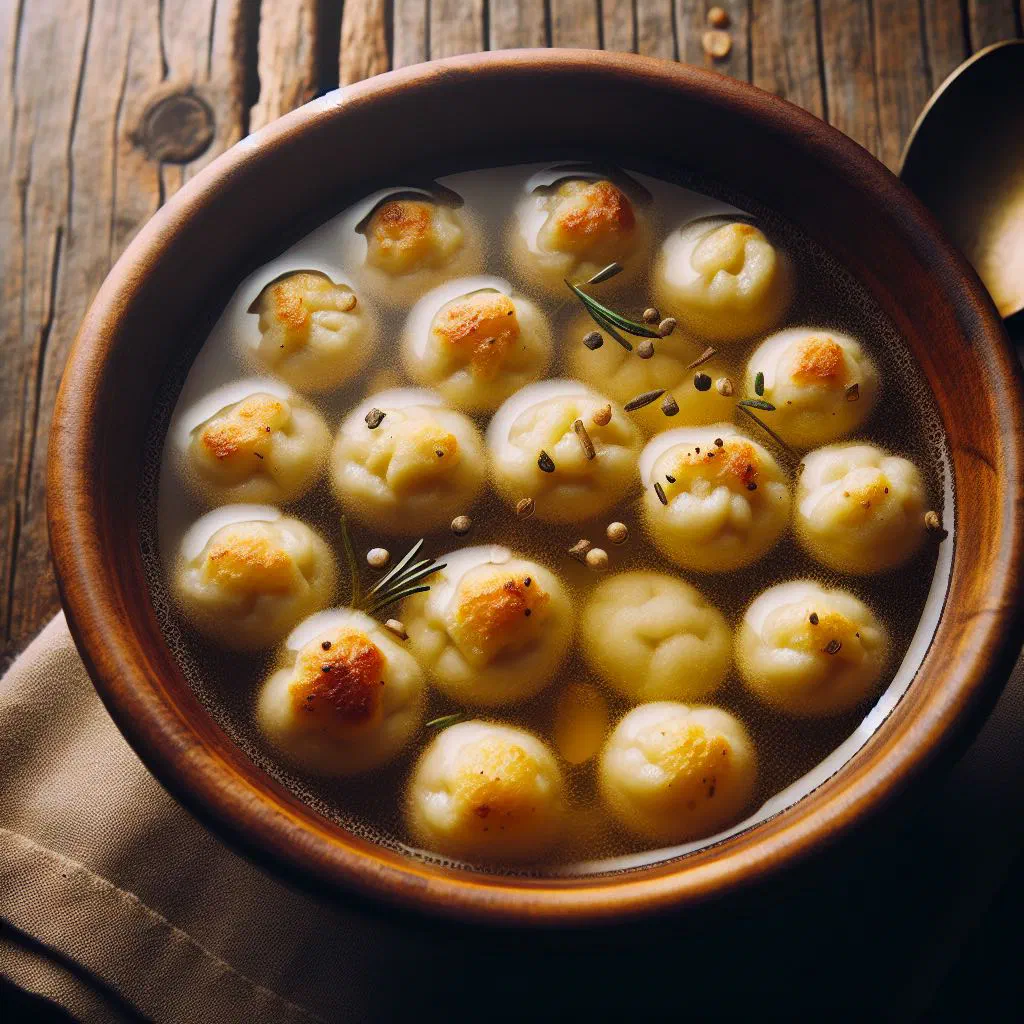
There is nothing quite like a steaming bowl of dumpling soup on a frosty winter’s evening. This Austrian classic keeps things wonderfully simple: tender semolina dumplings bobbing in a warming, savoury broth, finished with a scattering of fresh parsley. It is the kind of honest, comforting fare that captures the warmth of Austrian hospitality, and every spoonful carries a little of the country’s tradition with it.
About Dumpling Soup
Dumpling soup is a traditional Austrian dish that wins people over through its simplicity and its hearty, satisfying flavour. The soothing nature of this soup makes it the perfect companion for the colder months. Enriched with soft semolina dumplings and a comforting broth, it is more than just a main course. It is an emblem of Austrian hospitality, with the country’s tradition and culture coming through in every bowl.
Ingredients (serves 1–2)
- 50 g semolina (soft wheat semolina)
- 1 egg
- 1 tbsp butter
- 500 ml vegetable or beef broth
- Salt and pepper, to taste
- Fresh parsley, to garnish
Shopping for the ingredients
To make dumpling soup, you will want fresh, good-quality ingredients. Pop along to your local supermarket or farmers’ market to find the best produce. Pay particular attention to the quality of the broth, as this has a significant impact on the flavour of the finished soup. Fresh herbs such as parsley also lend the soup a pleasant freshness and are easy to come by.
Preparing the dish
Preparing dumpling soup is quick and uncomplicated. Begin with the broth, which is essential for a full, rounded flavour. The semolina dumplings come together quickly too. Simply mix the ingredients together well. Having all your components ready makes the cooking process easier and helps you achieve a nicely balanced result.
Step-by-step instructions
- Bring the broth to the boil in a large pan.
- In a bowl, combine the soft wheat semolina with the egg and butter.
- Season the mixture with salt and pepper and let it rest briefly so it can swell.
- Using two teaspoons, shape small dumplings from the semolina mixture and gently lower them into the boiling broth.
- Let the dumplings simmer in the broth for about 10 minutes, until they rise to the surface.
- Garnish with fresh parsley and serve warm.
Gluten-free / lactose-free version
For a gluten-free version of dumpling soup, you can use a gluten-free flour in place of the soft wheat semolina. Many brands offer special gluten-free semolina alternatives that are similar in both texture and taste. When preparing the soup, make sure your broth is gluten-free as well. Lactose-free alternatives to the butter are also widely available and can be used without any loss of flavour.
Tips for vegans and vegetarians
Vegan and vegetarian options are easy to put together to adapt the dumpling soup. Use a plant-based egg replacer instead of a real egg. The broth can be swapped for a vegetable broth to keep things vegetarian. Beyond that, you can replace the butter with plant-based margarine to make the soup 100% vegan. These adjustments deliver similar aromas and textures, so nothing is lost. A bowl pairs beautifully alongside other warming dishes such as Frittatensuppe.
More tips and tricks
A few handy tips can turn your dumpling soup into something truly special. Experiment with different seasonings to give the broth more depth, a hint of nutmeg or freshly ground pepper can lift the flavour considerably. Don’t leave the dumplings in the broth too long, so they keep their delicate consistency. Finally, a squeeze of lemon can refresh and brighten the whole thing.
Adapting the recipe to your taste
Dumpling soup is easy to adjust to suit personal preferences. Add grated carrot or a handful of spinach to the broth, for instance, to bring in more vegetables and colour. Experimenting with different herbs such as thyme or oregano can also coax out exciting new flavours.
Ingredient substitutions
If you happen to be missing a few ingredients for dumpling soup, there are plenty of alternatives. Instead of semolina you can use breadcrumbs, which work in a similar way if you fancy trying a different texture, much like the dumplings that star in Leberknödelsuppe. For the broth, homemade options or shop-bought stock are both good depending on what you have to hand. You might also consider adding seasonings you love, such as smoked paprika, to give the flavour a personal twist.
Drink pairing ideas
Choosing the right drink can noticeably enhance the dumpling soup experience. A crisp white wine, such as a Grüner Veltliner, harmonises beautifully with the savoury broth. For a non-alcoholic option, a homemade fruit tea or a sparkling mineral-water lemonade can be wonderfully refreshing. These drinks add another layer of flavour and make the meal all the more enjoyable.
Serving and presentation ideas
Dumpling soup can be served simply yet attractively. Use lovely deep bowls so the colour and texture are on full display. A small sprig of fresh parsley or a few edible flowers make a pretty garnish for the eye. Round off the presentation with a good slice of freshly baked bread to create a proper dining experience.
A bit of history
Dumpling soup has its origins in Austrian cooking and reflects the influence of rural, farmhouse tradition. In the countryside it was common to prepare simple, nourishing dishes that also helped use up leftovers. Over the centuries the recipe has evolved, and today it is a firm fixture of Austrian cuisine, often found in treasured family recipes. Its popularity runs right across society, making it a favourite for many.
More recipe ideas
Summary: Dumpling Soup
Dumpling soup is a classic, hearty dish that wins people over with its flavour and with how easy it is to make. Whether for cold days, as a light lunch or as part of a family gathering, the soup brings warmth and a sense of comfort. Thanks to its adaptability it suits many diets too, from vegan to gluten-free. With this recipe, enjoy a little slice of Austria on your plate.