National Dish Austria: Fish Gröstl (Recipe)
In this article
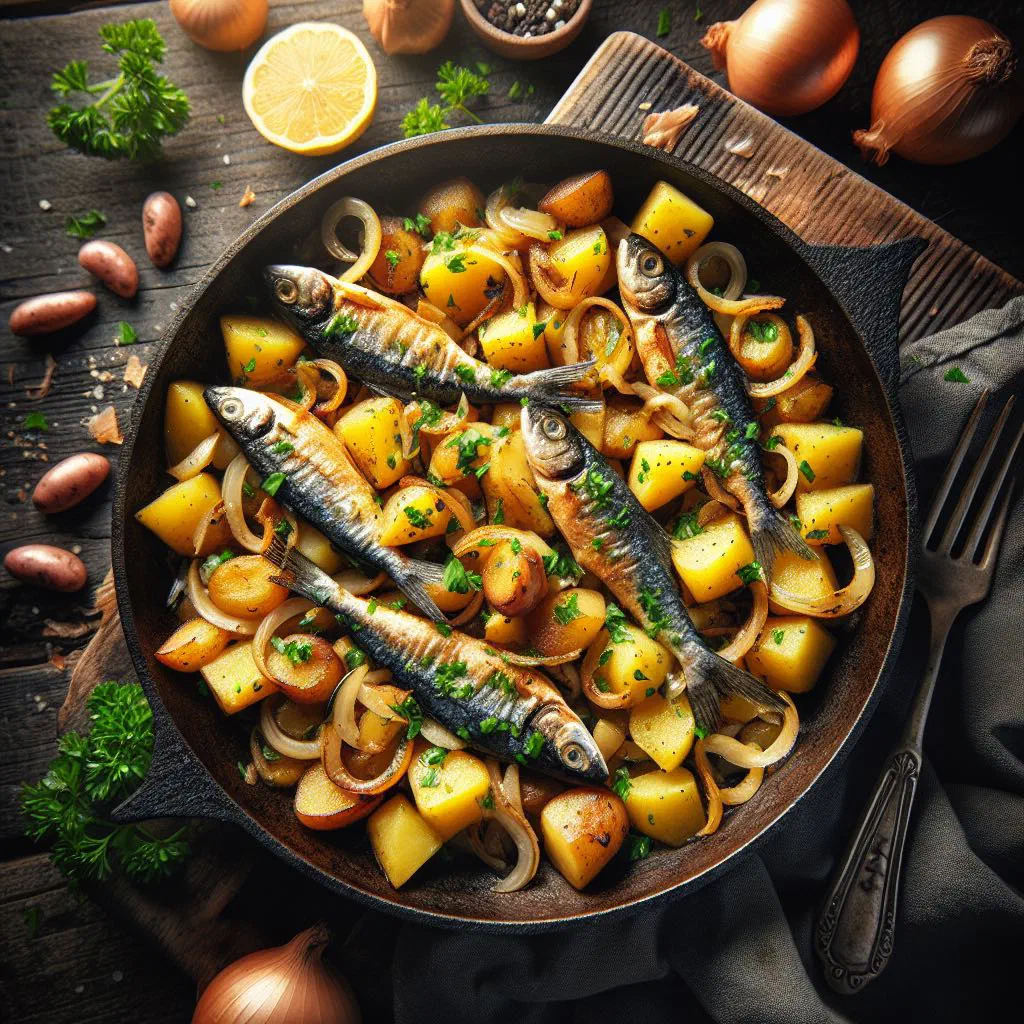
Say hello to Fish Gröstl, a rustic Austrian classic born of thrift and good taste. This hearty pan-fry brings together tender fish and golden, crispy potatoes, all sizzled in butter with sweet onions and a scattering of fresh parsley. Once a clever way to use up the previous day’s leftovers, it has earned its place as a comforting alpine favourite, equally at home as a satisfying main course or a hearty breakfast. Simple, honest and endlessly adaptable, it is a true taste of the mountains.
About Fish Gröstl
Fish Gröstl is a traditional Austrian dish enjoyed across many regions of the country to this day. It was originally put together from leftover fish and potatoes, fried up crisp in a single pan. The pairing of tender fish with crispy potatoes gives the dish its unmistakable character and depth of flavour. It also lends itself to countless variations, making it easy to adapt to your own personal taste.
Ingredients (serves 1–2)
- 300 g fresh fish (such as trout or char)
- 400 g potatoes
- 1 large onion
- 2 tablespoons butter
- Salt and pepper, to taste
- 1 tablespoon fresh parsley, chopped
Shopping for the ingredients
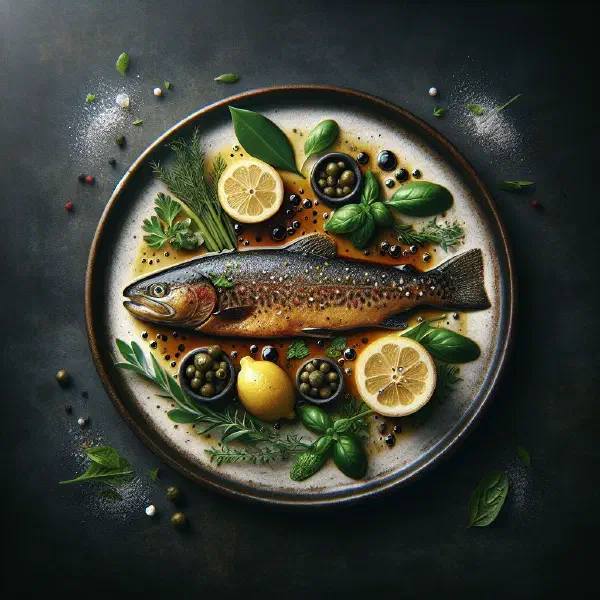
When shopping for fish gröstl, it is worth seeking out fresh, regional produce to let the full flavour shine. A local market or fishmonger will usually have the freshest fish on offer. Choose regional potatoes where you can, as these often have far more flavour. If possible, pick up some fresh herbs too, to give the dish a final lift, the same care that goes into a delicate Forelle Müllerin Art.
Preparing the dish
Good preparation is the key to getting the most out of this dish. Begin by peeling the potatoes and cutting them into cubes, then simmer them in salted water until tender. While the potatoes cook, fillet the fish and finely chop the onion. Chopping the onion evenly ensures it browns uniformly and releases its full aromatic sweetness into the pan.
Step-by-step instructions
- Boil the peeled, diced potatoes in a large pan of salted water for 15–20 minutes, until soft.
- Heat the butter in a frying pan over medium heat and sauté the chopped onion until golden brown.
- Add the prepared fish to the pan and fry for about 5 minutes, until cooked through and lightly crisp.
- Tip in the drained potatoes with the onion and fish, then mix everything together well.
- Season with salt, pepper and freshly chopped parsley, and fry over low heat for about 5 minutes, until everything is crisp.
Gluten-free / lactose-free version
Fish gröstl is naturally gluten-free and lactose-free, as long as you avoid serving it with gluten-containing sides such as bread. When buying your ingredients, take care that no hidden sources of gluten are lurking, particularly in the fish. For a lactose-free version, simply use a plant-based margarine in place of butter. That way the dish can be enjoyed by anyone with the relevant intolerances.
Tips for vegans and vegetarians
For vegans and vegetarians, fish gröstl can be reworked with plant protein and vegetables. In place of the fish, try marinated tofu or seitan, both of which offer a similar texture. You could also swap the regular potatoes for sweet potatoes to give the dish a fresh twist. Experiment with different spices and herbs to add more depth to the flavour.
More tips and tricks
To make your fish gröstl even tastier, experiment with different kinds of fish. Trout, char and pike-perch each bring their own aromas and subtly change the character of the dish. A squeeze of lemon juice just before serving lifts the flavours beautifully. You could also pop the dish briefly under the grill to achieve an especially crispy crust, much as you would when finishing a Saibling in Mandelkruste.
Adapting the recipe to your taste
Fish gröstl is easy to tailor to your own preferences. Experiment with herbs such as dill, chives or tarragon to create new flavour combinations. Fancy it with a bit more heat? Add a little chilli or paprika. The base stays the same, so a few small tweaks are all you need to bring plenty of variety to the dish.
Ingredient substitutions
If you do not have fresh fish to hand, tinned fish or frozen fish work just as well. These alternatives are convenient and often more than tasty enough. In place of regular potatoes, you could choose cauliflower for a healthier, low-carb variation. Just be sure to adjust the cooking time accordingly so that every ingredient turns out perfectly cooked.
Drink pairing ideas
When it comes to drinks, light, crisp white wines pair particularly well with fish gröstl. A Grüner Veltliner or a light Sauvignon Blanc complements the dish’s flavours beautifully. Alternatively, sparkling water with lemon or a herbal tea make excellent companions. For an alcohol-free option, a flavoured sparkling water is a refreshing choice.
Serving and presentation ideas
Presentation matters too, if you want fish gröstl to be the star of the table. Serve it straight from a rustic pan or on a handsome wooden board. Garnish the dish with fresh herbs and a wedge of lemon to bring out both the colours and the aromas. A nicely arranged plate builds anticipation for that first bite and turns the meal into a real occasion.
A bit of history
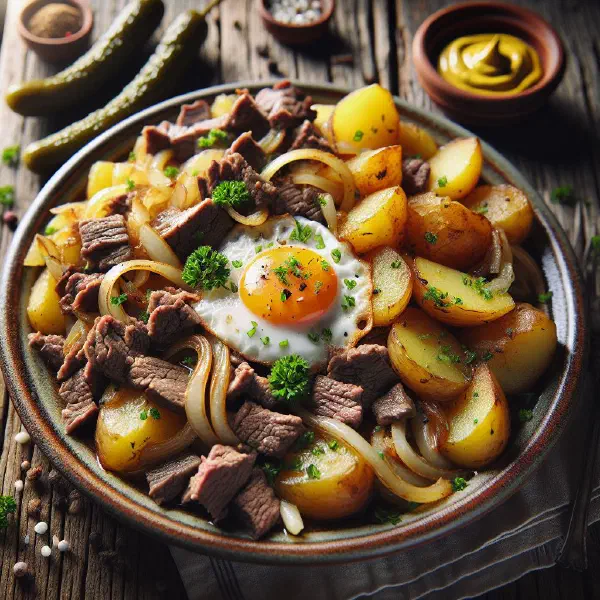
Fish gröstl has its roots in Austria’s mountain kitchens, where it was traditionally made from the previous day’s leftovers. Fishermen and farmers combined leftover fish with potatoes to create a hearty, nourishing meal. To this day it remains popular in many restaurants across Tyrol and Salzburg, and counts among the classics of Austrian cuisine. Thanks to its simple preparation and use of regional produce, it has earned a firm place in the country’s home cooking, a kinship it shares with the meaty Tiroler Gröstl.
More recipe ideas
- Bratkartoffeln
- Saiblingsfilet mit Kräuterkruste
- Forelle Müllerin Art
- Fischsuppe mit Kräutern
- Fischbeuschel
Summary: Fish Gröstl
Fish Gröstl is a delicious and versatile Austrian speciality made from fresh fish, crispy potatoes and onions. It is easy to adapt to individual tastes and works just as well as a main course as it does as part of a hearty breakfast. Thanks to its regional ingredients and straightforward preparation, even kitchen newcomers can take on this recipe with confidence. Enjoy a little piece of Austria, and let its wonderful aromas surprise you.