National Dish Austria: Forelle Müllerin Art (Recipe)
In this article
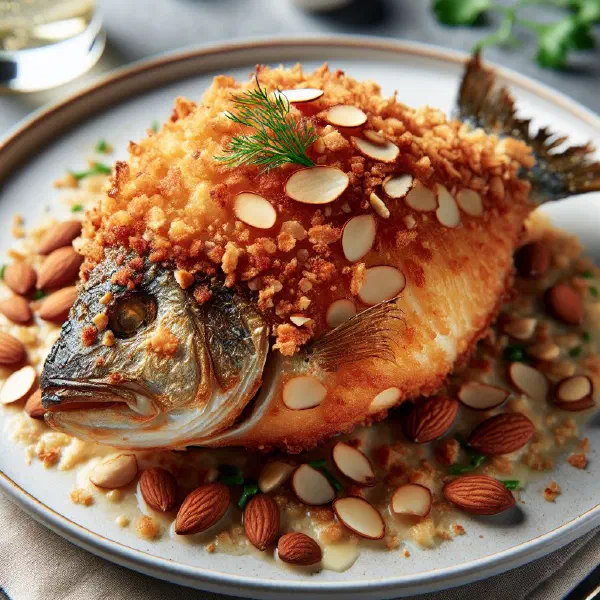
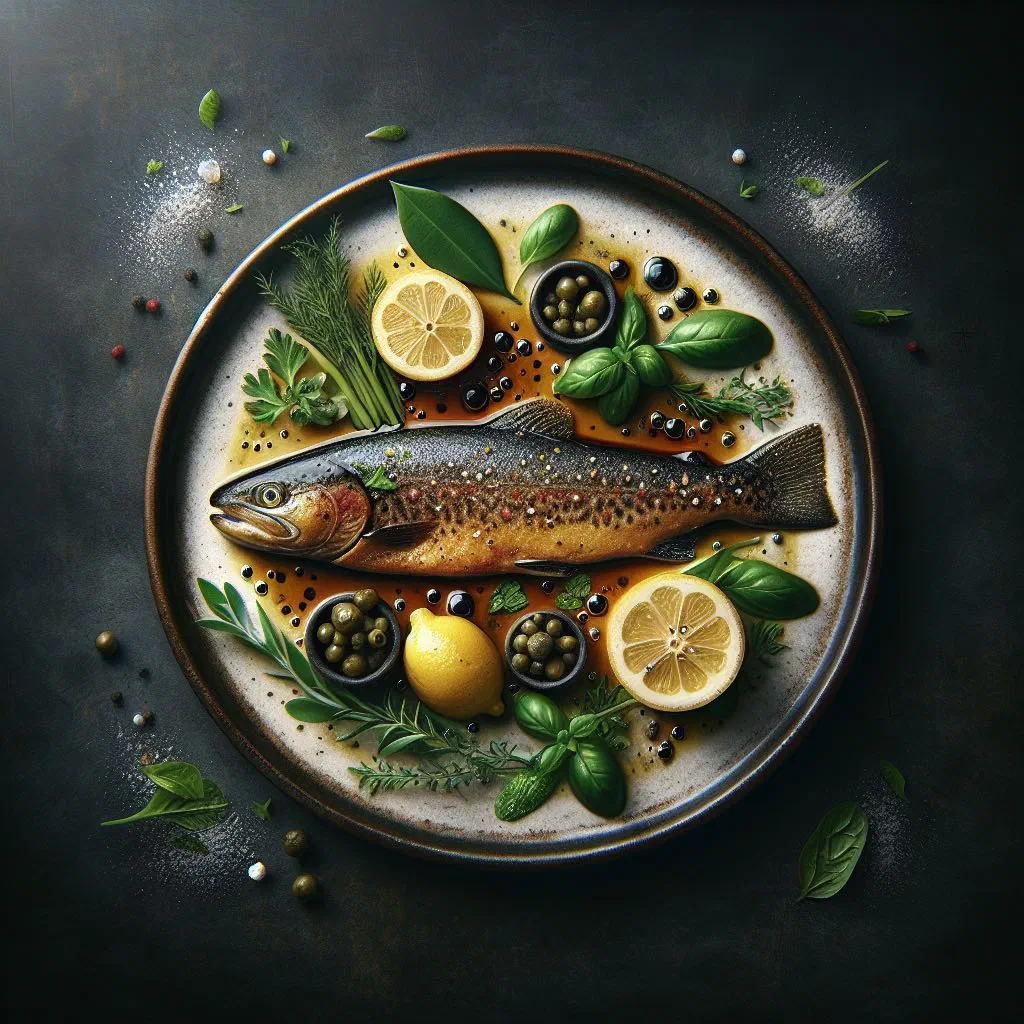
Few dishes capture the quiet elegance of Alpine cooking quite like Forelle Müllerin Art, a classic Austrian way with fresh trout. A light dusting of flour and a turn in foaming butter give the fish a beautifully crisp, golden skin, while a generous squeeze of lemon and a scattering of toasted almonds lift every mouthful. Simple yet refined, it is the kind of meal that feels equally at home on a relaxed weeknight or at a special supper for guests.
About Forelle Müllerin Art
Forelle Müllerin Art is a classic Austrian dish that stands out for its blend of simplicity and finesse. Originally established in the Alpine regions, it has grown into a much-loved speciality enjoyed across Austria and well beyond. What makes the preparation special is the crisp flour coating, which gives the trout a memorable texture. Finished with fresh herbs and a squeeze of lemon, the dish is a treat not only for the palate but for the eyes too.
Ingredients (serves 1–2)
- 1–2 fresh trout (about 250–300 g each)
- 50 g flour
- 50 g butter
- Juice and zest of one lemon
- 2 tablespoons chopped almonds
- Salt and pepper, to taste
- Fresh herbs (such as parsley or dill), to garnish
Shopping for the ingredients
To prepare an authentic Forelle Müllerin Art, it is important to choose fresh ingredients. The trout are best sourced from regional aquaculture to guarantee the finest quality and flavour. Look for fish with shiny skin and fresh, bright gills. The remaining ingredients, flour, butter, lemon and almonds, are available in any well-stocked supermarket and are easy to gather. Much like the Saibling in Mandelkruste, this recipe rewards you for seeking out the freshest fish you can find.
Preparing the dish
Before you start cooking, a few steps will set you up for success. First, rinse the trout thoroughly and pat them dry. Season the fish inside with salt and pepper to bring out their natural flavour. Tip the flour onto a shallow plate so you can coat the trout evenly. Don’t forget to wash the lemon and have the juice and zest ready to finish the fish later.
Step-by-step instructions
- Dust the trout with flour on both sides.
- Heat the butter in a pan until it foams.
- Carefully lay the trout in the pan and fry for around 3–4 minutes on each side, until golden brown.
- Add the chopped almonds in the final minute so they toast lightly.
- Arrange the fried trout on a plate and drizzle with lemon juice and zest.
- Garnish with fresh herbs and serve.
Gluten-free / lactose-free version
To make Forelle Müllerin Art gluten-free, simply swap the regular flour for a gluten-free alternative. There are plenty of options, such as rice flour or maize flour, that deliver a similar crisp texture. For a lactose-free version, make sure the butter in your recipe is lactose-free. These small adjustments mean everyone can enjoy this delicious dish, whatever their dietary needs.
Tips for vegans and vegetarians
Although Forelle Müllerin Art is traditionally made with fish, vegans and vegetarians can try a plant-based alternative. For a vegan version, you might use tofu or seitan, both of which take well to a flour coating. Season them with lemon juice and herbs to achieve the flavour you are after. The method stays the same. Simply fry the plant-based alternatives in the pan and enjoy.
More tips and tricks
There are a few tricks that will help you get Forelle Müllerin Art just right. It is important to preheat the pan properly before adding the trout, so the fish browns evenly. A mix of butter and a little oil lets you reach a higher temperature while stopping the butter from burning. Experiment with different herbs to refine the flavour further, and serve the dish with a touch of style for a memorable evening.
Adapting the recipe to your taste
Forelle Müllerin Art is easy to tailor to your personal preferences. Add extra spices such as paprika or garlic powder to season the flour and deepen the flavour. The side dishes can vary too: potatoes, a fresh salad or steamed vegetables all pair beautifully with the fish. For something heartier alongside, a portion of Petersilienerdäpfel makes a lovely match. Touches like these make the recipe truly your own.
Ingredient substitutions
If you don’t have every ingredient for Forelle Müllerin Art to hand, there are plenty of alternatives to fall back on. Instead of almonds, you could use pistachios or walnuts for a different flavour note. A little mustard works well in the coating too, lending the dish a pleasant tang. Be creative with your ingredients to discover new variations.
Drink pairing ideas
To round off the Forelle Müllerin Art experience, refreshing drinks are the way to go. A dry white wine, such as a Grüner Veltliner or a Riesling, pairs perfectly with the delicate flavour of the fish. A light beer or a sparkling water is also a good choice. For alcohol-free options, a homemade lemon spritzer or a well-chilled iced tea come highly recommended.
Serving and presentation ideas
Presentation plays an important part in enjoying Forelle Müllerin Art. Serve the fish on an elegant plate, surrounded by colourful vegetables and fresh herbs. A drizzle of lemon juice or a lemon slice beside the fish adds an appetising contrast. Don’t forget to set it all off with smart napkins and table decoration to give your guests a memorable meal.
A bit of history
Forelle Müllerin Art has its roots in traditional Austrian cuisine. Originally created for fishermen and farmers, the dish quickly became popular thanks to its uncomplicated preparation and fresh ingredients. It reflects the love of nature and regional produce that holds such an important place in Austrian cooking. Today it is a well-established classic, often served in restaurants and at festive occasions.
More recipe ideas
Summary: Forelle Müllerin Art
Forelle Müllerin Art is a wonderful example of Austrian cuisine, impressing with simple yet high-quality ingredients. The dish offers a beautifully balanced flavour and plenty of room for adaptation to suit your own tastes. With its combination of fresh herbs, lemon and a crisp coating, every portion becomes an experience. Let this recipe inspire you and enjoy a delicious slice of Austrian tradition.