National Dish Austria: Germknödel (Recipe)
In this article
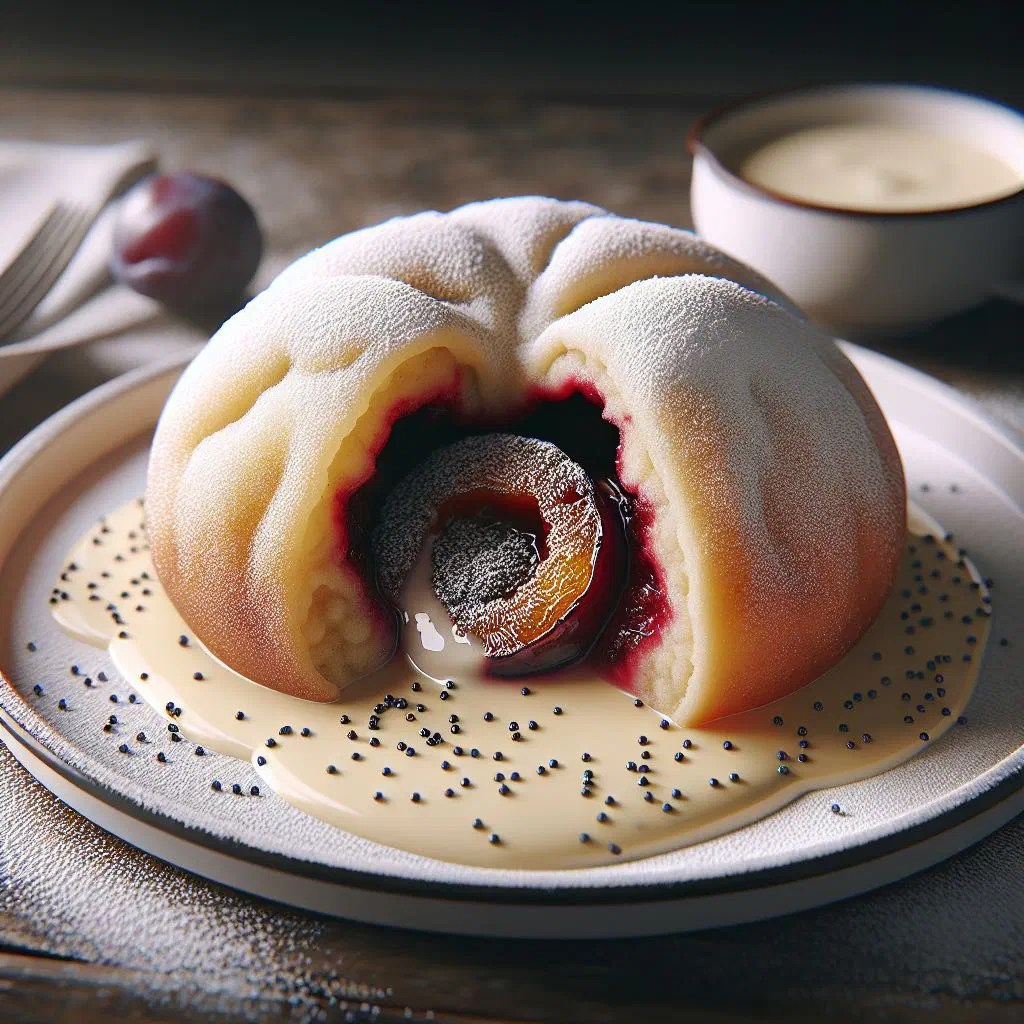
Few dishes capture the cosy spirit of an Alpine winter quite like Germknödel. These pillowy yeast dumplings are filled with rich plum jam, dusted with sweet poppy seed sugar and finished with a generous pour of melted butter. Warming, comforting and surprisingly easy to make at home, they are the perfect treat for cold days and a little taste of Austria whenever the mountains feel far away.
About Germknödel
Germknödel are a traditional Austrian dish that is especially enjoyed during the winter months. These delicious yeast dumplings are typically filled with plum jam and served with poppy seed sugar and melted butter. They are a culinary highlight of Austrian cuisine and relatively simple to prepare yourself. In this article we take a closer look at how to make this wonderful dish and at the history behind it.
Ingredients (serves 1–2)
- 250 g flour
- 100 ml milk
- 1 egg
- 20 g butter
- 10 g yeast
- 1 pinch of salt
- 50 g plum jam
- 50 g poppy seed sugar
- 30 g melted butter
Shopping for the ingredients
When preparing Germknödel, it is worth paying attention to the quality of the ingredients. Fresh yeast and good plum jam are particularly important for achieving an authentic flavour. Your best bet is to visit local markets or specialist baking shops to track down the finest ingredients. The poppy seed sugar can either be made yourself or bought ready-made from a specialist supplier.
Preparing the dish
Before you start making the Germknödel, you should weigh out and lay out all the ingredients. Make sure the milk is gently warmed but not hot, otherwise the yeast will lose its activity. Melt the butter and let it cool slightly. The plum jam should also be at room temperature so that it is easier to work into the dough.
Step-by-step instructions
- Sift the flour into a bowl and press a well into the centre.
- Crumble the yeast into the warm milk and add it to the well together with the butter, the egg and a pinch of salt.
- Knead everything well until you have a smooth dough. Leave the dough to rise overnight.
- The next day, divide the dough into portions, flatten each one and place a teaspoon of plum jam in the centre.
- Shape the dough into balls and leave them to rise again for about 30 minutes.
- Cook the Germknödel in gently simmering water for around 15 minutes.
- Sprinkle with poppy seed sugar and pour over the melted butter.
Gluten-free / lactose-free version
To make Germknödel gluten-free or lactose-free, you can simply use gluten-free flour blends and lactose-free milk and butter. The plum jam should also be checked for additives. There are plenty of alternatives available in supermarkets and specialist shops, so even with intolerances you do not have to miss out on this delicious dish.
Tips for vegans and vegetarians
For a vegan version of Germknödel, all you need to do is use egg-replacement products, plant-based milk and vegan butter. There are many plant-based alternatives that are easy to work with and that do not compromise on flavour. The plum jam is usually vegan anyway, but it can also be swapped for other vegan fillings such as apple sauce.
More tips and tricks
One important tip for making Germknödel is finding the right temperature for the yeast. The milk should be lukewarm to give the yeast the best possible conditions to grow. You can also flavour the dough with a little lemon zest or vanilla sugar to give it a special note. And finally: give the dough plenty of time to rise. That is the key to wonderfully fluffy dumplings.
Adapting the recipe to your taste
Germknödel are quite easy to adapt to personal preference. If you like things especially fruity, you can use other fruit fillings such as apricot or cherry jam alongside plum jam. For an extra-sweet version, you can enrich the dough with a little more sugar. The melted butter can also be replaced with other toppings such as chocolate sauce or vanilla custard. For more fruit-filled inspiration, try the closely related Plum Dumplings.
Ingredient substitutions
If you do not have any yeast to hand, you can use baking powder as an alternative, though the result will be a little less airy. The plum jam can also be replaced with any other jam or fruit filling. Instead of poppy seed sugar, you can dust the dumplings with plain sugar or icing sugar and optionally mix in some ground poppy seeds. The same poppy-and-butter finish stars in classic Poppy Seed Noodles.
Drink pairing ideas
Hot drinks such as tea, coffee or even cocoa pair particularly well with Germknödel, especially during the cold season. A glass of freshly pressed juice can also work nicely alongside them. In Austria, a glass of milk is often served too, which harmonises well with the sweetness of the dish. Try out different combinations to find your favourite.
Serving and presentation ideas
An attractive presentation can lift the whole Germknödel experience another notch. Serve the dumplings on a lovely plate and garnish them with fresh fruit or mint leaves for a splash of colour. A little extra drizzle of melted butter or cream can add to the visual appeal. Use decorative touches to turn the dish into a real showstopper.
A bit of history
The history of Germknödel reaches far back, and they are considered a firm fixture of Alpine cuisine. Originally they were served in the winter months as a fortifying meal after long days out in the cold. Today they are an indispensable part of Austrian cuisine and are hugely popular with locals and tourists alike. The combination of sweet dough and fruity filling in particular makes them a timeless classic, much like the beloved Kaiserschmarrn.
More recipe ideas
Summary: Germknödel
Germknödel are a delicious and traditional Austrian dish that is especially enjoyed during the winter months. With just a few ingredients and a little time, they are easy to make at home too. Why not give this recipe a go yourself and enjoy a little piece of Austria right in your own kitchen.