National Dish Austria: Goulash (Recipe)
In this article
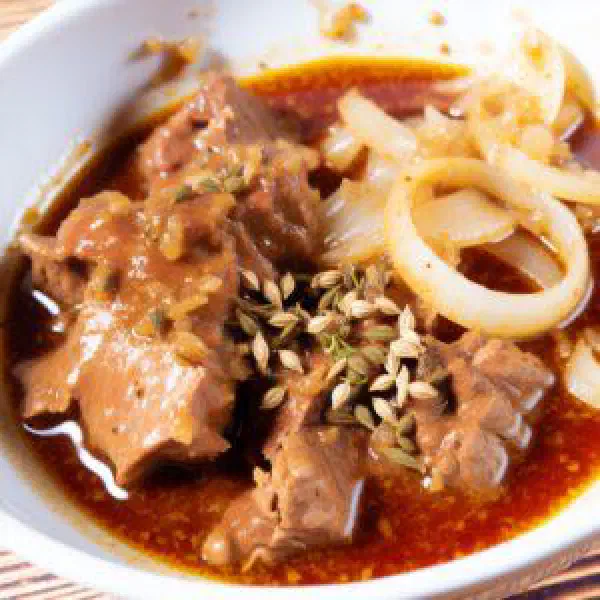
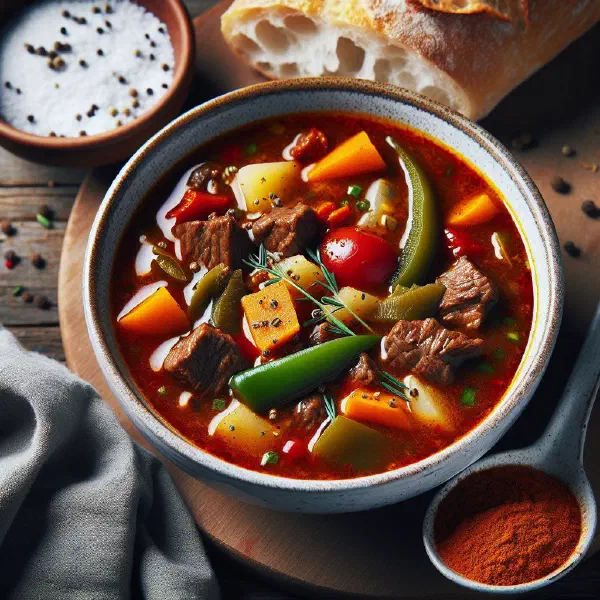
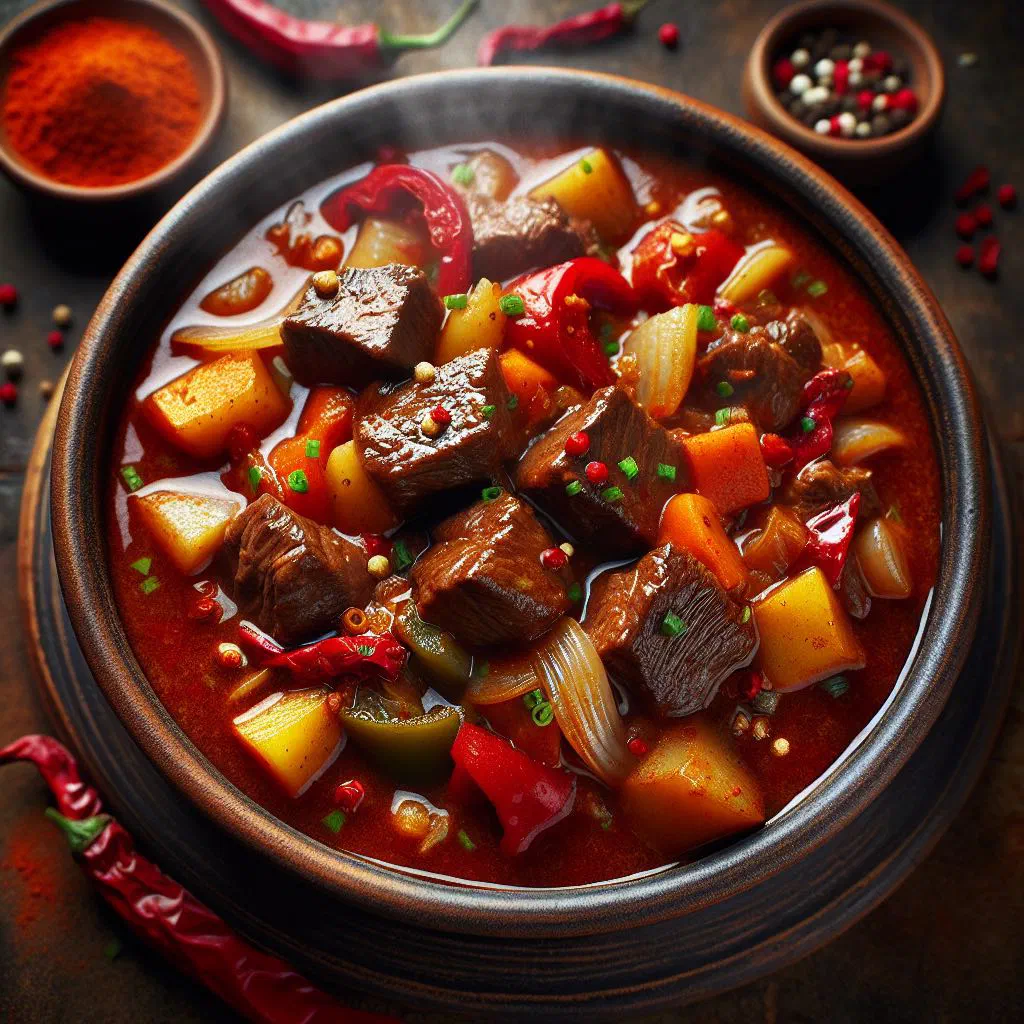
There are few dishes more comforting on a cold day than a steaming bowl of goulash. This Austrian classic brings together meltingly tender beef and a deeply savoury paprika sauce, slow-cooked until the flavours mingle into something genuinely special. Though it travelled over the border from Hungary long ago, Austria has made the dish entirely its own, milder, richer and built on a mountain of softly cooked onions. With a little patience and a few honest ingredients, you can bring this hearty stew to your own table.
About Goulash
Austrian goulash is a much-loved traditional dish that has earned a firm place in the country’s kitchens. Originally from Hungary, it developed its own character once it settled in Austria, prized above all for its spiced sauce and its tender beef that practically melts in the mouth. That combination makes it the perfect choice for chilly days. While the preparation might seem involved at first, this recipe keeps things straightforward, the most important ingredient is simply time, which lets the meat turn beautifully soft and full of flavour. Treat yourself and your loved ones to this wonderfully satisfying dish.
Ingredients (serves 1–2)
- 300g beef (shin or shoulder)
- 2 onions
- 2 cloves of garlic
- 1 red pepper
- 2 tablespoons tomato purée
- 500ml beef stock
- 2 tablespoons sweet paprika
- 1 teaspoon whole caraway seeds
- 1 tablespoon marjoram
- Salt and pepper, to taste
- Oil, for frying
Shopping for the ingredients
When shopping for goulash, it really pays to keep an eye on quality. The beef should be fresh and, ideally, bought from a local butcher. Regional, organic vegetables taste especially good and come free of harmful pesticides, while fresh herbs and spices give the dish that distinctively savoury flavour. Good ingredients make a real difference to the finished pot.
Also be sure to choose an oil suited to searing over high heat, rapeseed or sunflower oil both work well here. To draw the best flavour out of every ingredient, this is not the recipe to economise on. After all, a good goulash is a true pleasure for the palate.
Preparing the dish
Preparing goulash starts with cutting the ingredients to size. The beef should be diced into bite-sized pieces, the onions and garlic finely chopped, and the red pepper sliced into strips. These early steps mean the cooking time is used efficiently and everything cooks through evenly.
Make sure all your spices and the tomato purée are measured out and within reach before you start cooking. This kind of preparation makes the whole process far smoother and takes the stress out of the kitchen. A well-organised dish not only comes together faster, it simply turns out better.
Step-by-step instructions
- Heat the oil in a large pot and sear the beef on all sides over high heat until nicely browned.
- Lift the meat out and set it aside. Add the onions to the pot and fry until golden brown.
- Stir in the garlic and the pepper strips and cook briefly with the onions.
- Add the tomato purée and roast it for a moment so it loses its sharpness.
- Return the beef to the pot, dust everything with sweet paprika, caraway and marjoram, then pour in the beef stock.
- Put on the lid and let the goulash braise over low heat for around 2 hours, stirring now and then.
- Season with salt and pepper, adding more spices to taste if you like.
Gluten-free / lactose-free version
Austrian goulash is naturally gluten-free and lactose-free. Do check, however, that any processed products such as the beef stock contain no hidden gluten or lactose. For a gluten-free meal, serve the goulash with gluten-free bread or simply with potatoes.
The dish is lactose-free too, as it contains no dairy at all. Just make sure that any extra products you reach for are also lactose-free. That way nothing stands between you and a bowl of traditional goulash.
Tips for vegans and vegetarians
For a vegan or vegetarian version of goulash, swap the beef for tofu, seitan or jackfruit. These have a similar texture and soak up the spices beautifully. They also cook far more quickly than meat, so add them towards the end rather than at the start.
The vegetables can be varied just as freely: carrots, potatoes or mushrooms are all excellent for giving the goulash extra body and flavour. With a little imagination, the dish adapts easily to your own preferences while staying every bit as delicious and traditional.
More tips and tricks
A few small touches make goulash even better. Allow a long, slow braise at a low temperature to make the meat especially tender. Better still, let the goulash cool and reheat it the next day. It often tastes even finer once the spices have had time to settle and deepen.
Here is a tip from professional cooks: a dash of vinegar or a spoonful of sauerkraut towards the end of cooking can round off the flavour and add a subtle tang. Give it a try. You may be surprised at just how versatile this simple dish can be.
Adapting the recipe to your taste
One of the great joys of goulash is its versatility. Add potatoes or carrots to give the dish more substance, or play with the seasoning: adjust the paprika to suit your palate, or throw in a pinch of chilli if you like a bit of heat. A little basil or thyme lends the goulash a Mediterranean note. Let your creativity run free and shape the dish so it matches your taste exactly, the base recipe is just a starting point that welcomes plenty of variation. If you enjoy the technique, you might also try a Fiakergulasch.
Ingredient substitutions
There are plenty of alternatives to the classic goulash ingredients. In place of beef you could use pork or lamb, each bringing its own character to the pot, and for a more unusual version you might even add pieces of sausage. The same hearty spirit runs through a Saftgulasch or a creamy Kalbsrahmgulasch.
There is just as much room to play with the vegetables: potatoes, carrots, squash or even sweet potato all offer interesting combinations. Try out different versions and discover your own favourite mix.
Drink pairing ideas
A hearty goulash goes wonderfully with a full-bodied red wine. A dry Zweigelt or Blaufränkisch from Austria pairs perfectly with this spiced stew. Beer lovers might instead choose a dark beer that underlines the goulash’s robust, savoury notes.
For an alcohol-free alternative, a tart grape juice works nicely, as does a well-chilled sparkling water with a few slices of lemon. The right drink rounds off the experience and brings the whole meal into harmony.
Serving and presentation ideas
A well-presented goulash whets the appetite at once. Serve it in rustic bowls or deep plates and garnish with a little fresh parsley. A fresh farmhouse loaf or some crusty rolls alongside are a lovely addition, both to look at and to eat.
The goulash looks especially inviting served straight from the braising pot. Set the pot in the middle of the table and let your guests help themselves. It creates the sort of warm, sociable atmosphere that suits this traditional dish perfectly.
A bit of history
Goulash has its origins in Hungary and made its way to Austria during the 19th century, where the soldiers of the Imperial and Royal Army helped popularise it as an one-pot meal. In Austria it developed its own identity and became one of the classic dishes of Viennese cooking.
The Austrian version differs from the Hungarian above all in its generous use of onions and its reliance on sweet paprika. These changes make the goulash less fiery but all the more aromatic. The dish has lost none of its popularity over the years and is still cooked and enjoyed as much as ever, a true cornerstone of Austrian cuisine.
More recipe ideas
Summary: Goulash
Austrian goulash is a spiced, hearty dish that is made for the colder months of the year. With our detailed instructions and a few handy tips, even beginners can prepare this traditional meal with confidence. Experiment with the ingredients and shape the recipe to suit your own preferences.
Goulash offers endless possibilities. The braising time is what makes all the difference to the flavour and the tenderness of the meat. Serve it in proper style with a full-bodied red wine and savour a genuine taste of Austrian cooking.