National Dish Austria: Hasenpfeffer (Recipe)
In this article
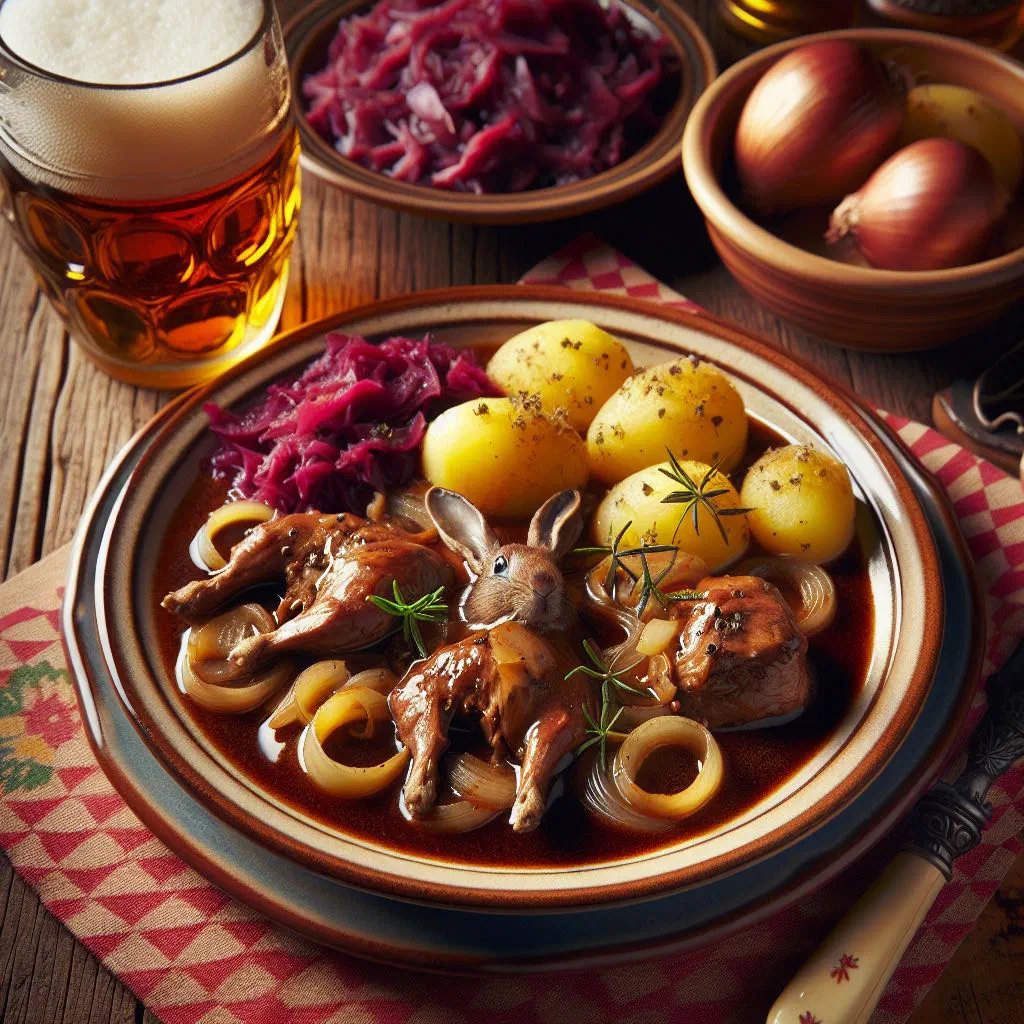
There is something wonderfully old-fashioned about Hasenpfeffer, a rustic Austrian classic that turns tender hare into a deeply comforting feast. Slow-braised in a glossy red wine sauce scented with juniper and bay, it carries the unmistakable warmth of country cooking and festive family gatherings. It takes a little patience, but the reward is a richly aromatic dish steeped in tradition, the kind of meal that fills the kitchen with the promise of something special.
About Hasenpfeffer
Hasenpfeffer is a classic of Austrian cooking, celebrated for its rich and layered flavours. Tender hare is gently braised in a hearty sauce that draws its character from a harmonious blend of spices and herbs. The dish is often served at festive occasions such as weddings or family celebrations, bringing a touch of tradition to the table. Preparing Hasenpfeffer does take a little time, but the effort is repaid with an incomparable depth of flavour that few other dishes can match.
Ingredients (serves 1–2)
- 500g hare (shoulder or leg)
- 2 onions
- 2 cloves of garlic
- 2 tablespoons tomato purée
- 250ml red wine
- 500ml game stock
- 1 bay leaf
- 3 juniper berries
- 1 tablespoon vinegar
- Salt and pepper, to taste
- Fresh parsley, to garnish
Shopping for the ingredients
Making Hasenpfeffer calls for a few special ingredients that are best bought fresh and of good quality. The hare can be sourced from a well-stocked butcher or ordered online to make sure you get the very best. The game stock, too, should be of a high standard to support the flavour of the finished dish. Don’t forget to pick up fresh spices such as bay and juniper, as they lend the dish its distinctive, unmistakable character.
Preparing the dish
Before you begin cooking, it is worth getting all your ingredients properly prepared. Start by chopping the onions and peeling the garlic cloves. Cut the meat into even pieces so it cooks through at the same rate. Set out the spices in advance as well, since they need to be added easily during cooking.
Step-by-step instructions
- Heat a little oil in a large pot and sauté the onions and garlic until translucent.
- Add the hare and brown it well on all sides.
- Stir in the tomato purée and toast it briefly to intensify the aromas.
- Pour in the red wine and let the liquid reduce slightly.
- Add the game stock, the bay leaf, the juniper berries and the vinegar.
- Season with salt and pepper, then leave everything to simmer gently over low heat for about 1.5 to 2 hours.
- Serve the dish garnished with fresh parsley.
Gluten-free / lactose-free version
Hasenpfeffer is naturally gluten-free and lactose-free, as no such ingredients are used in the recipe. Just take care that the game stock and the spices contain no hidden sources of gluten or lactose. You could, for example, use a good vegetable stock as a simple alternative to vary the dish slightly while keeping it suitable for sensitive diets.
Tips for vegans and vegetarians
Hasenpfeffer cannot be made directly for vegans and vegetarians, but its aromas and cooking method adapt beautifully to a plant-based version. Use seitan or jackfruit in place of the meat as a satisfying alternative. These ingredients soak up the flavourful spice blend and the rich sauce wonderfully, so even the meat-free version of the dish can be a complete success.
More tips and tricks
To bring out the flavour of Hasenpfeffer even further, prepare a marinade of red wine, onions and spices and let the meat rest in it for several hours or overnight. This gives the dish a particularly deep, rounded note. Be sure to make plenty of sauce, too, as it pairs beautifully with Sausage Dumplings or simple boiled potatoes.
Adapting the recipe to your taste
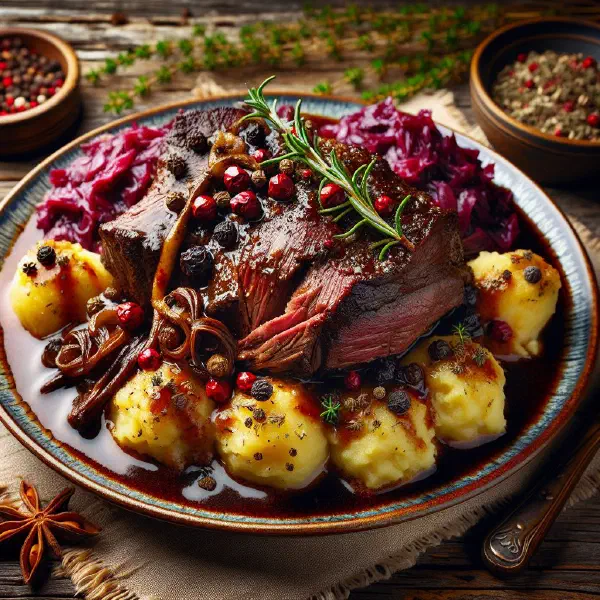
The wonderful thing about Hasenpfeffer is its versatility. Experiment with different herbs such as thyme or rosemary to tailor the flavour to your liking. You can also swap the hare for other game, such as rabbit or venison, to create entirely new taste experiences, much as you would in a hearty Venison Roast with Lingonberries. Just remember to adjust the cooking times accordingly when changing the meat.
Ingredient substitutions
If you don’t have juniper berries to hand, you can replace them with rosemary to achieve a similar aroma. Should you struggle to find game stock, a good chicken or vegetable stock will keep the dish tasty all the same. The tomato purée can be swapped for sieved tomatoes, though the purée is more concentrated and offers a deeper flavour.
Drink pairing ideas
A robust red wine is the perfect partner for a hearty plate of Hasenpfeffer. A Merlot or Cabernet Sauvignon will underline the flavours of the dish beautifully. Alternatively, you might choose a full-bodied beer that complements the spices perfectly. Be sure to serve your drinks well chilled and in suitable glasses to round off the whole experience.
Serving and presentation ideas
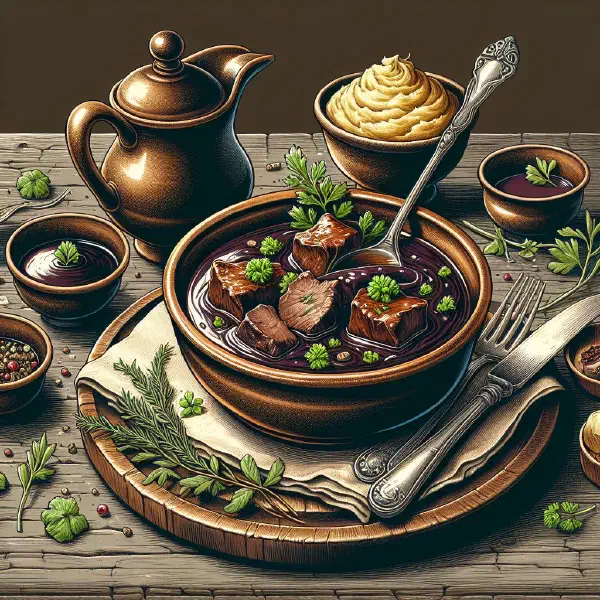
The presentation of Hasenpfeffer can lift the enjoyment considerably. Serve the dish in a large bowl and garnish it with fresh parsley. Crisp dumplings or salted potatoes make ideal accompaniments, arranged around the dish. Remember to offer the sauce in a small separate bowl as well, so each guest can help themselves to as much as they like.
A bit of history
Hasenpfeffer has deep roots in Austrian tradition and has been prepared for centuries. The dish grew out of the need to make the most of wild game hunted in the surrounding countryside, transforming it into something truly delicious. It is a symbol of rural custom and of the cosy warmth of eating together. Every family recipe holds its own little secrets, passed down lovingly from one generation to the next as part of Austrian cuisine.
More recipe ideas
- Gamsragout
- Hirschbraten
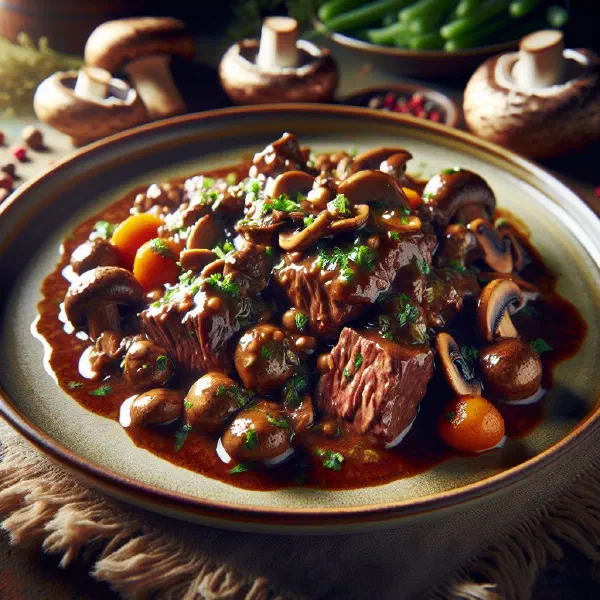
- Hirschragout with Mushrooms
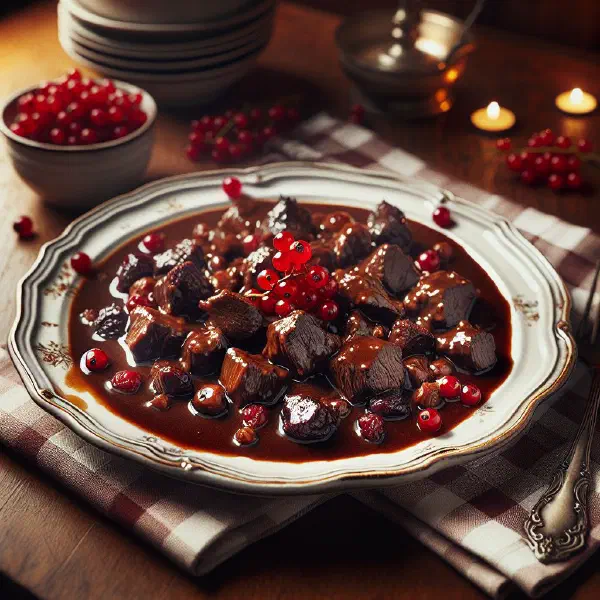
- Hirschragout with Lingonberries
- Rehragout with Bread Dumplings
Summary: Hasenpfeffer
In short, Hasenpfeffer is an indispensable part of Austrian cookery, winning everyone over with its intense flavour and hearty aromas. It is ideal for festive occasions and family meals alike, bringing both tradition and a sense of celebration to the table. With the right preparation and the proper ingredients, this dish is sure to become the highlight of your next meal. Give it a try and savour the flavours of Austria.