National Dish Austria: Heidensterz (Recipe)
In this article
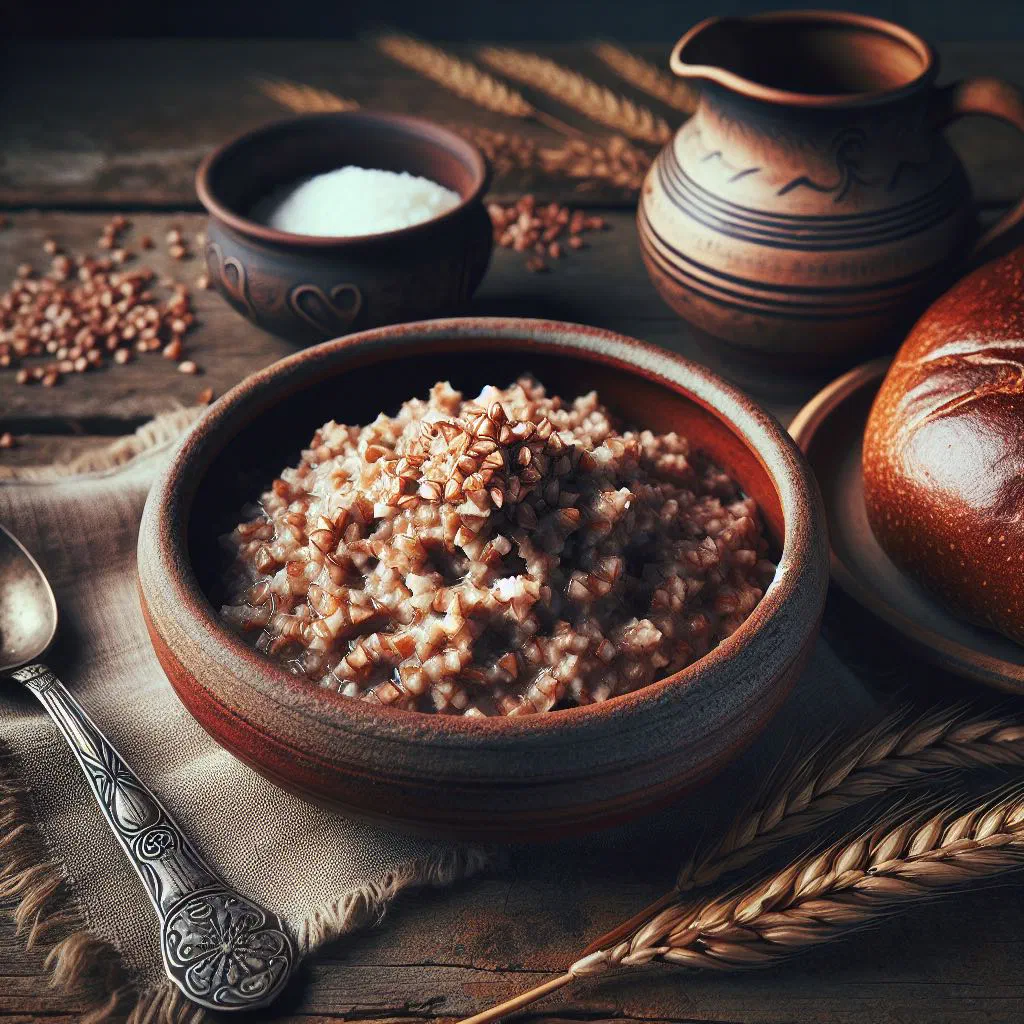
Meet Heidensterz, the humble Austrian classic that turns a handful of pantry staples into something deeply satisfying. This rustic buckwheat porridge cooks down into a warm, crumbly heap that loves a topping of crispy bacon and golden onions. Born in the country’s farming heartlands, it is honest, filling comfort food at its very best. Proof that simple ingredients, handled well, can carry a whole tradition. Bring a taste of the Austrian countryside straight to your own table.
About Heidensterz
Heidensterz is a traditional Austrian dish made from buckwheat flour, long valued as a simple yet thoroughly satisfying meal. Its roots lie in the rural regions of Austria, where it sustained farming families through long, cold seasons. The name itself tells the story: Heide refers to buckwheat, while Sterz means a thick, crumbly porridge. Wonderfully versatile, it can be served as a hearty side or as a main course in its own right, and it remains a beloved part of Austrian cuisine to this day.
Ingredients (serves 1–2)
- 200 g buckwheat flour
- 500 ml water
- 1 pinch of salt
- 2 tablespoons butter or lard
Shopping for the ingredients
The ingredients for Heidensterz are usually easy to find. Take care to choose good-quality buckwheat flour, as this is what gives the dish its authentic, nutty flavour. Butter or lard is available in any supermarket, while water and salt are everyday basics most of us already have at home. If you cannot find buckwheat flour locally, a good health-food shop or an online grocer will almost always stock it.
Preparing the dish
Before you start cooking, measure out all the ingredients and have them ready to hand. This makes the whole process far smoother and ensures nothing gets forgotten in the rush. It also helps to have the water standing by, so you can pour it straight into the pan and keep things moving.
Step-by-step instructions
- Bring the water to the boil in a pan with a pinch of salt.
- Slowly trickle in the buckwheat flour while stirring constantly, to keep the mixture free of lumps.
- Reduce the heat and let it simmer gently for about 15 minutes, stirring now and then.
- Add the butter or lard and keep stirring until the mixture turns dry and crumbly.
Gluten-free / lactose-free version
Heidensterz is naturally gluten-free, since buckwheat contains no gluten despite its grain-like name. For a lactose-free version, simply swap the butter for lactose-free butter or a plant-based margarine. The flavour stays much the same, which means anyone with an intolerance can enjoy this dish without giving anything up, a real bonus for such a traditional recipe.
Tips for vegans and vegetarians
This dish is easy to make fully vegan: just replace the butter or lard with a plant-based alternative such as margarine or oil. The rest of the ingredients are vegan from the outset, so Heidensterz lends itself beautifully to a plant-based diet. It is a lovely reminder that some of the most comforting country dishes are, at their core, naturally suited to vegetarian and vegan cooking.
More tips and tricks
For an even more aromatic result, stir a little toasted buckwheat or some softened onions through the Sterz right at the end of cooking. This adds welcome texture and a deeper savoury note. A scattering of fresh herbs just before serving lifts both the look and the taste, while a knob of extra fat folded through keeps the crumb tender. Small touches like these turn a plain dish into something memorable.
Adapting the recipe to your taste
The basic Heidensterz recipe is wonderfully easy to tailor to your own preferences. If you like things hearty, add crispy bacon or grated cheese for extra richness. For a sweet version, fold in sugar and a little cinnamon, which sends the dish in a completely different direction. The same crumbly base happily carries either a savoury or a sweet treatment, much like a Sweet Sterz.
Ingredient substitutions
If you do not have buckwheat to hand, you can use spelt flour instead. The flavour will be a little different, but the consistency stays much the same. As for the fat, plant-based oils such as coconut or olive oil work nicely in place of butter or lard. These swaps make it easy to adapt the recipe to what is in your cupboard, just as you might with a comforting Viennese Potato Sterz.
Drink pairing ideas
Savoury drinks such as beer or apple juice go beautifully with Heidensterz. For the sweet version of the dish, a glass of milk or almond milk makes a fitting companion. And if you fancy something a touch more traditional, a cup of herbal tea rounds the meal off nicely. The idea is to choose a drink that complements the dish’s earthy, rustic character without overwhelming it.
Serving and presentation ideas
A few simple touches can make Heidensterz look as good as it tastes. Serve it in an attractive, rustic bowl and garnish with fresh herbs such as parsley or chives. Golden fried onions or a small dollop of cream add a decorative flourish too. Presented with care, this everyday dish takes on a charm that does justice to its long country heritage.
A bit of history
Heidensterz has a long tradition in Austrian cooking and was prepared above all in farming households. Originally it served as a nourishing, inexpensive dish that helped people get through the winter months. The name comes from buckwheat, once known as the “heathens’ grain”, combined with Sterz, the word for a firm, porridge-like food. It is a fine example of the resourceful country cooking that fills the Austrian table, alongside hearty plates like Styrian Root Vegetable Pork.
More recipe ideas
Summary: Heidensterz
Heidensterz is a simple yet nourishing dish that adapts readily to personal taste. Whether savoury or sweet, vegan or traditional, the possibilities are wonderfully varied. With this recipe you bring a piece of Austrian culture to your table while enjoying a genuinely delicious meal. Give it a try and let this honest country classic win you over, one warm, crumbly spoonful at a time.