National Dish Austria: Herb Spätzle (Recipe)

In this article
Discover Herb Spätzle, a wonderfully simple classic of the Austrian kitchen. These tender, handmade egg noodles are studded with a generous mix of fresh herbs, giving them a bright, fragrant character all of their own. They reward you with delicate flavour and fuss-free preparation. Bring a little of Austria’s love for fresh, local produce to your own table.
About Herb Spätzle
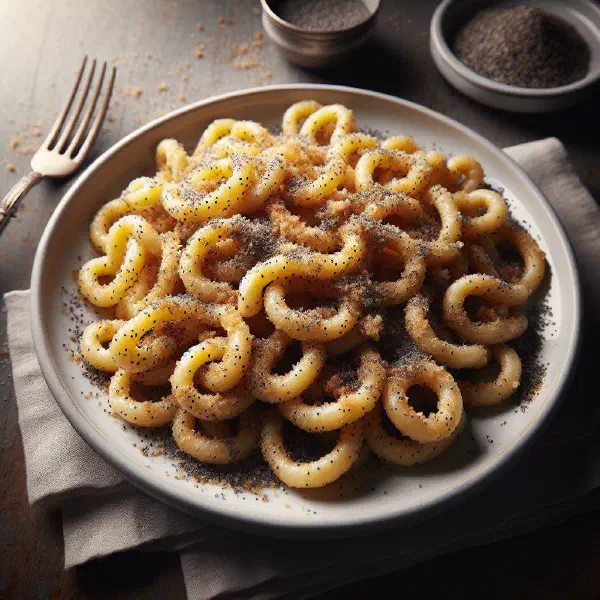
Herb Spätzle are a much-loved traditional dish from Austria that is appreciated the world over. The tender, handmade noodles are made from eggs, flour and a variety of fresh herbs, and it is this combination that gives them their characteristic flavour and makes them such a versatile choice for any menu. Served as a side to meat dishes or enjoyed as a standalone main course, herb spätzle win people over with their delicious aroma and their straightforward preparation. Like the cheesy Käsespätzle, they show off the homely comfort at the heart of Austrian cuisine.
Ingredients (serves 1–2)
- 200 g plain wheat flour
- 2 eggs
- 100 ml water
- A generous handful of fresh herbs (e.g. parsley, chives, basil)
- Salt and pepper, to taste
- Butter, for frying
Shopping for the ingredients
To make herb spätzle, start by gathering your ingredients at the local supermarket or weekly farmers’ market. Take care to choose fresh herbs, as they make all the difference to the flavour. The eggs and flour should also be of good quality so the dough comes together perfectly. Make sure you have plenty of salt and pepper to hand as well, ready to round off the aromas just right.
Preparing the dish
Before you begin making the herb spätzle, it is well worth laying out all your ingredients. The fresh herbs should be washed thoroughly and finely chopped, which looks appealing and helps them spread evenly through the dough. It is also a good idea to set a large pan of water on the hob in advance, so that cooking the spätzle is quick and easy when the time comes.
Step-by-step instructions
- Tip the flour into a large bowl and make a well in the centre.
- Add the eggs and water to the well and beat briskly with a fork.
- Stir in the chopped herbs and season with salt and pepper.
- Knead the dough well until it is smooth and elastic.
- Bring a large pan of salted water to the boil.
- Using a spätzle sieve or a spätzle press, push the dough into the boiling water in batches.
- Once the spätzle rise to the surface they are done; after 2–3 minutes, lift them out.
- Heat a little butter in a frying pan and fry the spätzle briefly until lightly golden.
Gluten-free / lactose-free version
To make herb spätzle gluten-free, you can swap the wheat flour for a gluten-free flour blend. Choose one that is suited to binding and holding its shape so the texture stays right. For a lactose-free version, simply use lactose-free butter or a little plant oil for frying. That way the pleasure stays light and full of flavour for everyone at the table.
Tips for vegans and vegetarians
For vegan herb spätzle, you can replace the eggs with a mixture of water and ground flaxseed. One tablespoon of flaxseed meal stirred into three tablespoons of water gives the same binding power as a single egg. Use plant-based milk or special vegan products to achieve a lovely creamy texture. This way, vegans too can enjoy these delicious noodles without missing out.
More tips and tricks
To get the consistency of your herb spätzle dough just right, feel free to experiment by adjusting the amount of water. Depending on the type of flour you use, you may need a little more or a little less. Take care that the dough is neither too runny nor too stiff, a perfectly kneaded dough is easy to work with and gives the best results when cooked. The same patient, hands-on approach pays off with classics like Schupfnudeln.
Adapting the recipe to your taste
Herb spätzle are a wonderful canvas for personal touches. Experiment with different herbs such as thyme or oregano, which lend their own delicious notes. If you fancy something heartier, stir a little grated cheese into the dough, much as you would for a comforting plate of Käsespätzle. Small changes like these make the spätzle especially aromatic and refined.
Ingredient substitutions
If fresh herbs are not available, dried herbs work perfectly well too. Just use them more sparingly, as their flavour is more intense. The wheat flour can be swapped for spelt flour for a nuttier taste. There are countless variations that turn this herb spätzle recipe into something quite special, and the noodles pair beautifully with a saucy Jägerpfanne mit Spätzle.
Drink pairing ideas
A light white wine such as a Grüner Veltliner or a Sauvignon Blanc goes wonderfully with herb spätzle, complementing the fresh herbs and harmonising beautifully with the dish. For an alcohol-free option, homemade lemonade or sparkling water infused with fresh herbs makes for a refreshing accompaniment. Either way, the drink rounds off the whole experience perfectly.
Serving and presentation ideas
A nicely arranged plate lifts the whole dish and makes the herb spätzle look even more appetising. Garnish them with a scattering of fresh herbs and serve on a colourful bed of vegetables. A touch of grated cheese or a squeeze of lemon adds the finishing note and makes the dish a real eye-catcher on the table. They also make a lovely side for a Sunday Schweinsbraten.
A bit of history
Herb spätzle have their roots in the Austrian kitchen and are a fine example of the local love for fresh, regional ingredients. Spätzle are found across many parts of Europe, yet each region has its own way of preparing them. The use of fresh herbs in this recipe is typical of the Austrian tradition of bringing the flavours of nature to the table. This kind of noodle has been passed down and treasured from one generation to the next, much like the delicate Kärntner Kasnudeln.
More recipe ideas
Summary: Herb Spätzle
Herb spätzle are a delicious speciality that works just as well as a side dish or a main course. The combination of fresh herbs and tender dough creates a truly memorable taste experience. The dish’s versatility means it can be adapted to suit individual preferences and dietary needs alike. Give it a try and bring a little piece of Austria’s traditional kitchen into your own home.