National Dish Austria: Krapfen (Recipe)
In this article
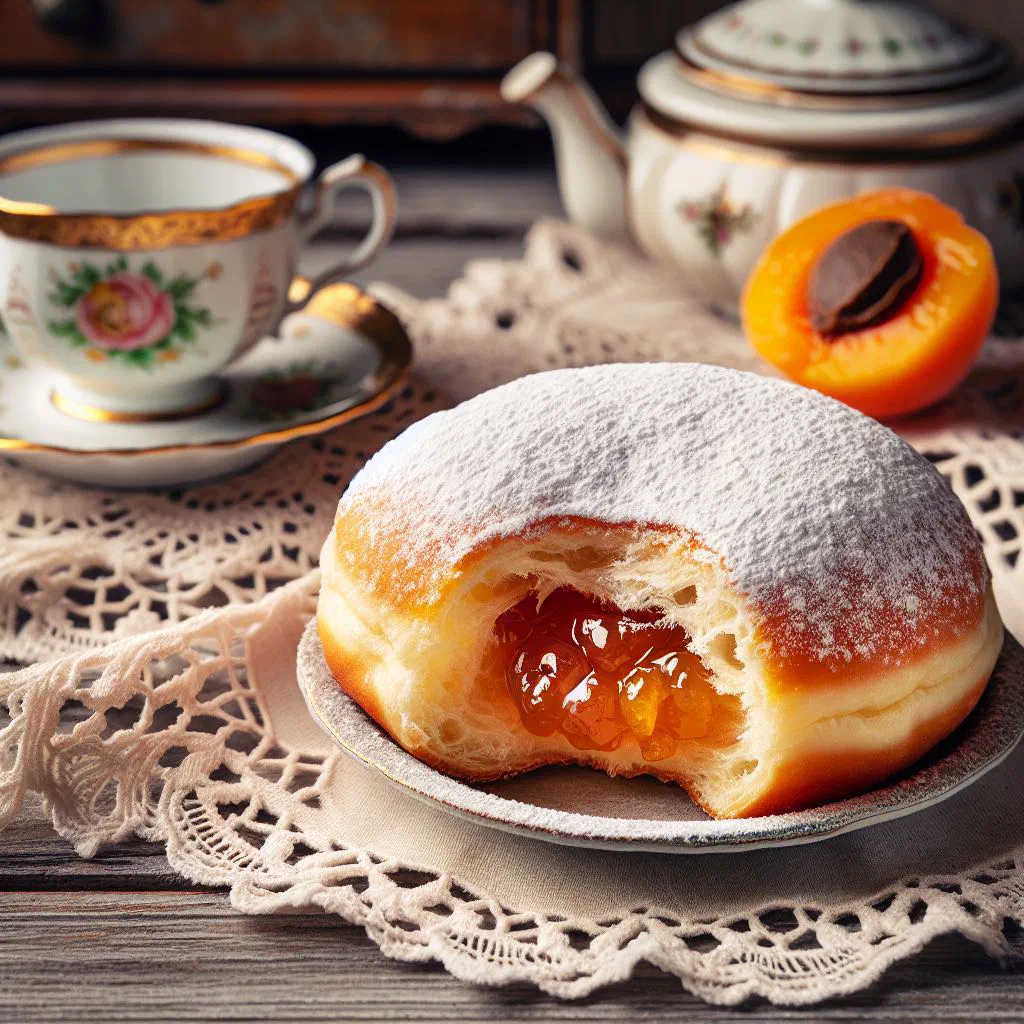
There is something very good about a freshly fried Krapfen, light as air, golden all over and hiding a generous spoonful of sweet jam at its heart. These traditional Austrian doughnuts take pride of place during carnival season, when bakeries and home kitchens alike fill with the comforting aroma of warm, sugar-dusted pastry. With a little patience and this step-by-step guide, you can master the perfect Krapfen and bring a true taste of Vienna’s festive table into your own home.
About Krapfen
The Krapfen, sometimes known as the Berliner, is a much-loved piece of Austrian pastry that plays a starring role during the carnival season. Filled with delicious jam, dusted with icing sugar and built around a wonderfully airy yeast dough, the Krapfen is an utterly appealing treat. This recipe guides you through every stage so you can bake flawless Krapfen and shine when the festivities arrive. It is a classic that captures the warmth and indulgence of a Viennese celebration.
Ingredients (serves 1–2)
- 250g plain flour
- 20g fresh yeast
- 60ml milk
- 2 eggs
- 40g sugar
- 1 pinch of salt
- 50g butter
- Vanilla sugar
- Jam of your choice
- Icing sugar, for dusting
- Oil, for deep-frying
Shopping for the ingredients
When shopping for your ingredients, pay particular attention to the freshness of the yeast and the quality of the jam, as both have a decisive effect on the flavour of your Krapfen. Organic ingredients are well worth seeking out if you want an especially delicious and wholesome result. If you have a particular fondness for, say, a vanilla-laced jam, then treat yourself to a little luxury in your choice of products. A good Krapfen truly lives and dies by the quality of what goes into it.
Preparing the dish
Begin by gathering all your ingredients and making sure the butter is at room temperature, which makes it far easier to work everything into a smooth dough. Let the flour, milk and eggs come up to room temperature as well; this helps the dough prove properly and gives the finished Krapfen their characteristic fluffiness. Don’t forget to clear your work surface and lay out the equipment you will need, such as scales, a mixing bowl and an electric whisk or mixer.
Step-by-step instructions
- Dissolve the yeast in the lukewarm milk and leave to stand for 10 minutes.
- Sift the flour into a bowl and add the sugar, vanilla sugar and salt.
- Add the yeast mixture, the eggs and the soft butter, then work everything into a smooth dough.
- Cover the dough and leave it to prove in a warm place for about an hour, until doubled in size.
- Roll the dough out on a floured surface and cut out the Krapfen.
- Cover the cut rounds again and leave to prove for a further 20 minutes.
- Heat the oil in a large pan and fry the Krapfen until golden brown.
- Fill with the jam of your choice and dust with icing sugar.
Gluten-free / lactose-free version
For a gluten-free version, you can swap the wheat flour for a gluten-free flour blend; just be sure to choose one that is well suited to baking. For a lactose-free version, simply replace the milk with lactose-free milk or a plant-based alternative such as almond or oat milk. Lactose-free butter is also widely available and performs just as well as conventional butter, so everyone can enjoy these doughnuts without compromise.
Tips for vegans and vegetarians
For a vegan version of Krapfen, you can replace the eggs with plant-based alternatives such as apple purée or mashed banana. Using margarine instead of butter and plant milk instead of cow’s milk keeps the recipe tasting just as wonderful. Take care that all the products you reach for are genuinely vegan to achieve an authentic result. Vegan jam is widely stocked these days and poses no challenge at all.
More tips and tricks
For particularly light Krapfen, knead the dough thoroughly and give it plenty of time to prove. A second proving after you have cut out the rounds also makes for noticeably better results. When frying, the oil should not be too hot, or the Krapfen will scorch on the outside while staying raw within. A temperature of around 170°C is ideal. Use a thermometer to keep a close eye on it.
Adapting the recipe to your taste
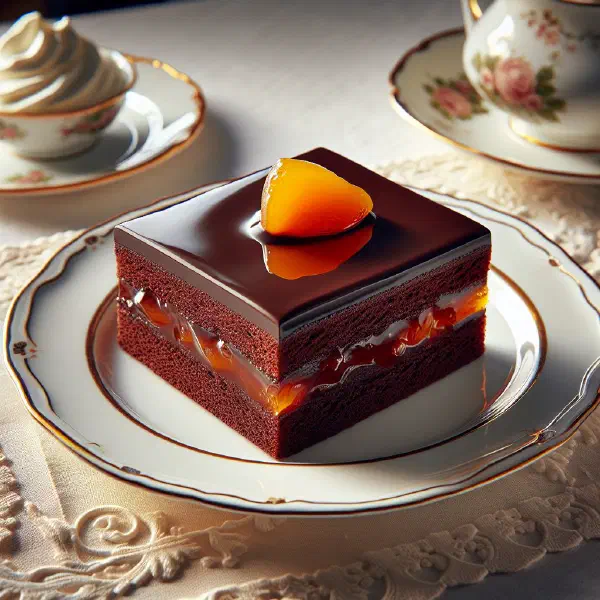
You can refine the basic dough with extra flavourings such as lemon zest or a dash of rum. The choice of jam is equally open to experiment, from a classic apricot jam through raspberry to more exotic fruit fillings. If you have a real sweet tooth, you can also roll the Krapfen in a sugar glaze once fried, which adds a little extra crunch and an even sweeter kick. This same spirit of indulgence runs through the rich Sachertorte and the festive Punschkrapfen.
Ingredient substitutions
Instead of fresh yeast you can use dried yeast, though you will need only about half the stated quantity. If you have no vanilla sugar to hand, the seeds of a vanilla pod or a little vanilla extract will do the job nicely. The butter can be swapped for margarine if necessary, though do bear in mind the flavour, as butter is preferable for traditional Krapfen. In place of dedicated frying oil, sunflower or rapeseed oil work perfectly well.
Drink pairing ideas
Krapfen go beautifully with coffee, hot chocolate or a good pot of tea. For grown-ups, a glass of champagne or a sweet dessert wine makes a festive accompaniment. Children will be more than happy with a glass of milk or a fruity punch. The drinks themselves can be dressed up a little too, perhaps with a pinch of cinnamon in the cocoa or a slice of lemon in the tea.
Serving and presentation ideas
A little loving presentation turns these Krapfen into a real showstopper. Serve them on an elegant cake stand or a pretty plate, dusted with icing sugar. A small arrangement of flowers or a decorative ribbon around the serving platter also adds a lovely touch. At carnival in particular, colourful confetti or tiny flags round off the picture, and the jam filling can be piped in artfully with a piping bag for an extra-special finish.
A bit of history
The story of the Krapfen reaches a long way back and is deeply bound up with the European baking tradition. The Krapfen first spread in the 16th century, when it was especially popular as a Lenten pastry in abbeys and monasteries. Over the years the recipe has barely changed, a testament to the doughnut’s enduring and timeless appeal. It is during the carnival season, the period before Lent, that the Krapfen enjoys its greatest popularity, taking its place among the most cherished treats of Austrian cuisine.
More recipe ideas
Summary: Krapfen
Krapfen are a glorious traditional pastry that fits the carnival season to perfection. With easily sourced ingredients and a clear, step-by-step method, anyone can bake these sweet treats at home. Whether classically filled with jam or made in a vegan or gluten-free version, the Krapfen offers no end of ways to make it your own. Enjoy your Krapfen with your favourite drinks and present them in style to impress your guests.