National Dish Austria: Most Roast (Recipe)
In this article
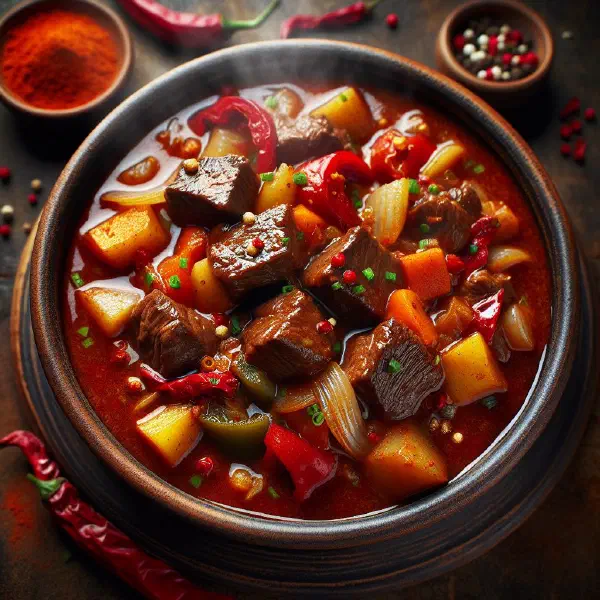
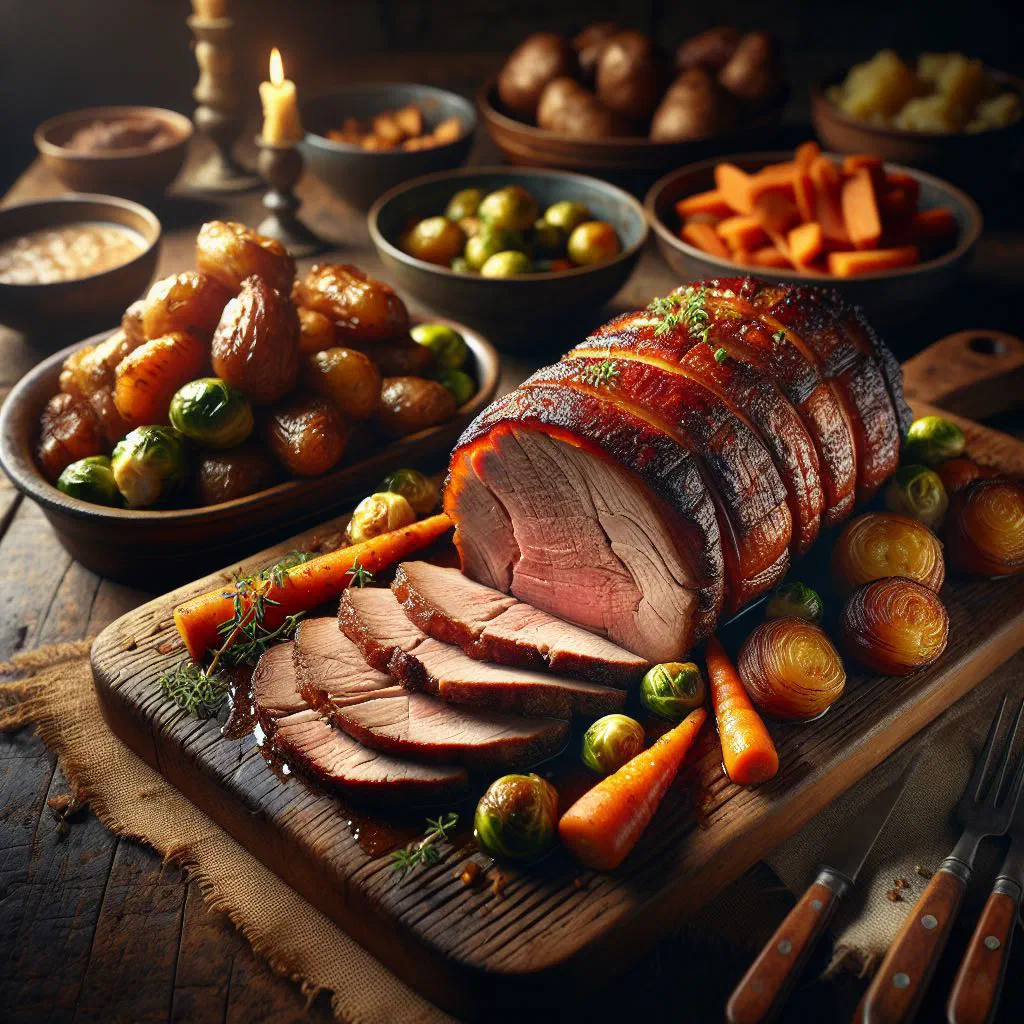
Meet Most Roast, a homely classic from the Austrian countryside that turns a humble cut of pork into something truly special. The secret lies in a marinade of fruity apple cider, Most, which keeps the meat wonderfully tender and lends it a gentle, orchard-fresh sweetness. Slow-braised with root vegetables and warming spices, it is the kind of dish that draws everyone to the table, whether for a festive celebration or a cosy family supper at home.
About Most Roast
Most Roast is a traditional Austrian dish built around succulent, slow-cooked pork. Its hallmark is a marinade of apple cider that gives the meat a distinctive, fruity character you will not find anywhere else. The roast is usually cooked alongside a generous helping of vegetables and spices, which deepen the aroma and bring a well-balanced note to the plate. Whether it appears at a festive occasion or a relaxed evening meal with the family, Most Roast is always the highlight of the table, a proud staple of Austrian cuisine.
Ingredients (serves 1–2)
- 500 g pork (e.g. shoulder or neck)
- 250 ml apple cider
- 2 onions
- 2 carrots
- 1 celery stick
- 2 cloves of garlic
- 1 tsp caraway seeds
- 1 tsp paprika
- Salt and pepper, to taste
- 3 tbsp oil, for frying
Shopping for the ingredients
For a really good Most Roast it pays to choose the right ingredients. When shopping, look for fresh pork of good quality, as this forms the backbone of the dish. The apple cider should ideally be freshly pressed and unsweetened, so the natural fruit flavour comes through clearly. Fresh vegetables and well-stocked spices are equally important for a rounded, aromatic result, much as they are in a hearty Schweinsbraten.
Preparing the dish
Before you start cooking the Most Roast, prepare all of your ingredients thoroughly. Cut the pork into even pieces, dice the onions and slice the vegetables into strips. The garlic can be finely chopped or left in whole cloves, depending on your preference. Getting everything ready in advance makes the whole cooking process run far more smoothly and quickly.
Step-by-step instructions
- Heat the oil in a large pot and sear the meat on all sides until it takes on a deep, golden-brown colour.
- Add the onions and garlic and fry for a few minutes until softened and translucent.
- Stir in the remaining vegetables (carrots and celery) and let them cook briefly.
- Season with salt and pepper, then add the caraway and paprika.
- Pour in the apple cider, bring to the boil and then reduce the heat.
- Cover the pot and let the dish braise gently over low heat for around 1.5 to 2 hours, until the meat is meltingly tender.
Gluten-free / lactose-free version
Most of the ingredients for Most Roast are naturally gluten-free and lactose-free. Do take care, however, that the spices and the apple cider contain no hidden gluten or lactose. By sticking to natural, unprocessed ingredients you can make sure the dish is suitable for every guest at your table.
Tips for vegans and vegetarians
For a plant-based version of Most Roast, you can swap the pork for seitan or tofu. Both alternatives soak up the cider marinade beautifully and offer a similar, satisfying texture. The spices can be adjusted to taste to create a delicious meat-free dish. That way everyone can enjoy the flavours of Most Roast, whatever their diet.
More tips and tricks
To intensify the flavour of your Most Roast even further, try experimenting with different apples or other fruit. Adding a few slices of apple or pear during the cooking time, for instance, brings a sweeter note to the sauce. Marinating the meat overnight in the apple cider also deepens the aromas and gives a juicier result. Play around with various herbs and spices to fine-tune the dish to your liking.
Adapting the recipe to your taste
If you would like to adapt the recipe to your personal preferences, do not hold back. Instead of pork you could use beef or chicken, much as you might in a comforting Saftgulasch. Adjust the spice blend to suit your palate, adding more chilli for a sharper kick, for example. The choice of vegetables is just as flexible and is best made according to what is in season.
Ingredient substitutions
If certain ingredients are not to your taste or hard to find, there are plenty of alternatives. In place of apple cider you can use grape juice or pear cider for a different flavour direction. The choice of vegetables can also be varied to your liking, the same root-vegetable approach that shines in Styrian Root Vegetable Pork. Experiment with different combinations to discover what tastes best to you.
Drink pairing ideas
A range of drinks pairs splendidly with a hearty Most Roast. A fresh, fruity white wine such as a Grüner Veltliner rounds off the flavours perfectly. A well-chilled shandy or a light lager is another excellent match. For alcohol-free options, choose a lively apple juice or a fruit-infused sparkling water to echo the orchard notes of the dish.
Serving and presentation ideas
You can lift the presentation of your Most Roast with a few simple touches. Serve the dish on a rustic wooden board and garnish it with fresh herbs or edible flowers to add colour and flavour. A side of crisp fried potatoes or a colourful salad, perhaps a Styrian Potato Salad, brings extra freshness to the plate. Using attractive crockery can elevate the whole dining experience too.
A bit of history
Most Roast has its roots in Austrian country cooking and looks back on a long tradition. Originally the dish was a clever way of using up leftovers, combining cooked meat with seasonal vegetables in a single pot. The apple cider is a key ingredient, since apples grow in abundance across the region and play an important role in Austrian culture. These days Most Roast is often served at family celebrations or festive gatherings, where it remains a genuine classic.
More recipe ideas
Summary: Most Roast
Most Roast is a hearty Austrian dish that owes its unique character to the use of apple cider and a handful of warming spices. The preparation is simple and makes it ideal for special occasions as well as relaxed family meals. Thanks to the versatility of the recipe, the dish adapts readily to personal preferences and leaves plenty of room for creative alternatives. It is a must for anyone who loves the flavours of Austrian cooking.