National Dish Austria: Polenta with Mountain Cheese (Recipe)
In this article
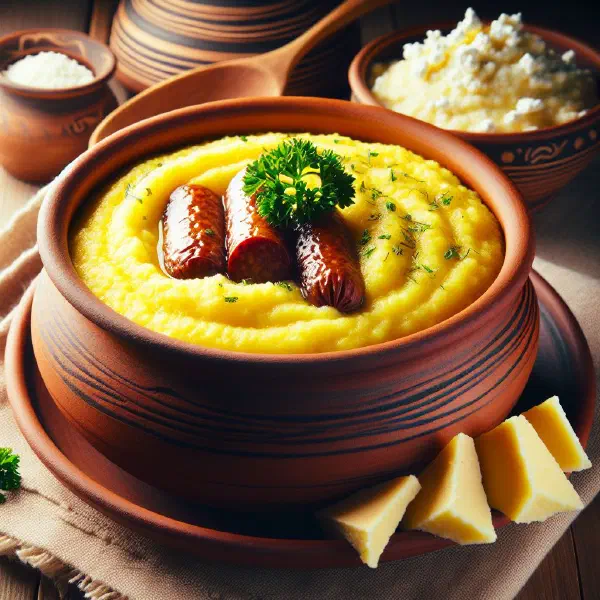
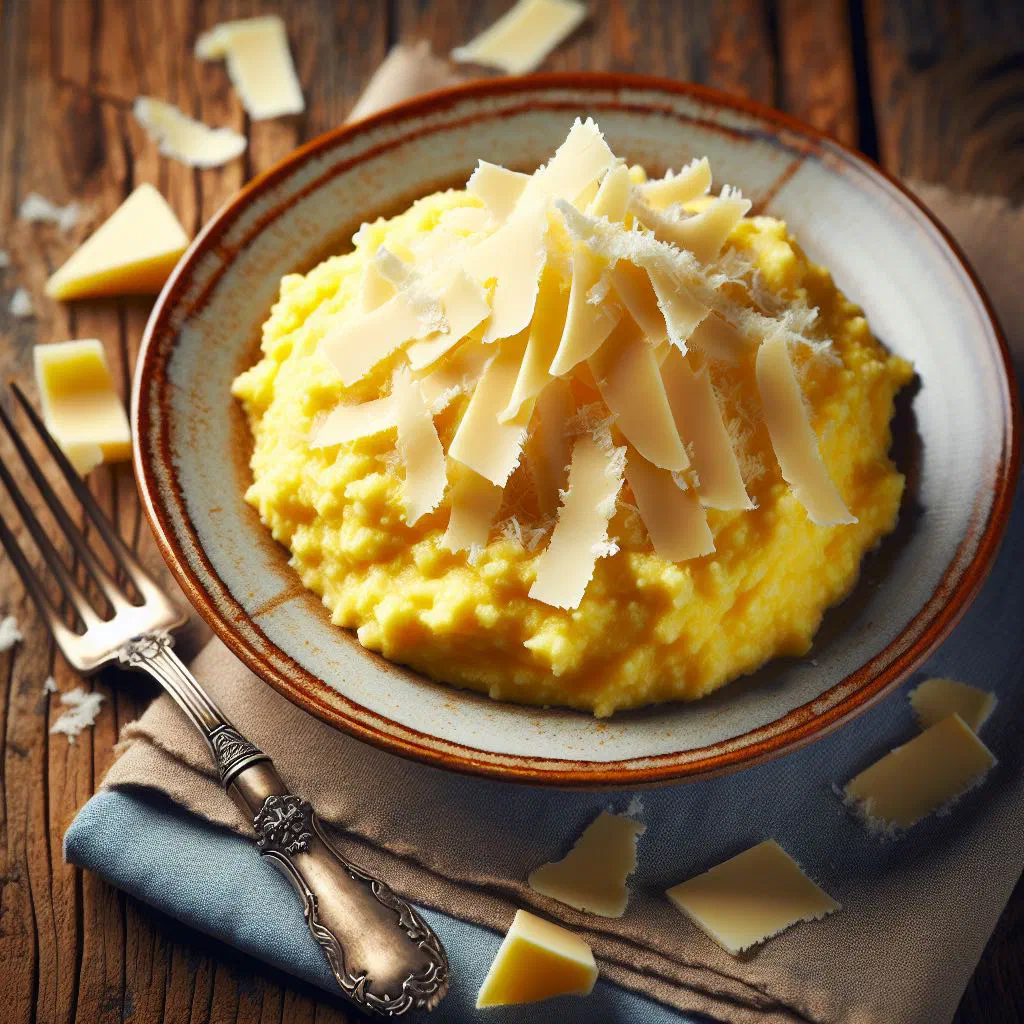
There is something deeply comforting about a steaming bowl of polenta crowned with golden, melted mountain cheese. This classic of Alpine home cooking takes a humble cornmeal base and transforms it into a rich, creamy dish with a savoury, full-bodied flavour. It brings a little of that cosy, mountain-hut warmth straight to your kitchen table, simple to make, yet wonderfully satisfying.
About Polenta with Mountain Cheese
Polenta with mountain cheese is a true piece of hearty home cooking, equally at home in traditional and modern kitchens. Polenta itself is a simple dish made from cornmeal that, served warm, takes on a beautifully creamy texture and pairs wonderfully with all manner of ingredients. In this recipe the polenta is enriched with high-quality mountain cheese, which lends it a rich and savoury aroma. This dish brings a slice of Alpine comfort to the table.
Ingredients (serves 1–2)
- 150 g polenta
- 500 ml vegetable or meat stock
- 100 g mountain cheese, grated
- 2 tablespoons butter
- Salt and pepper, to taste
- Fresh herbs (such as chives or parsley), to garnish
Shopping for the ingredients
To get the very best results, it pays to choose the right ingredients. The mountain cheese, something like Emmental or Gruyère, should be fresh and of high quality so it gives the dish its full flavour. Many supermarkets now also stock regional cheeses, which are ideal here. The polenta should likewise be of good quality to achieve that perfect, creamy consistency.
Preparing the dish
Preparing polenta with mountain cheese calls for only a little groundwork. Start by laying out all your ingredients and bringing the stock to the boil. Be sure to use a roomy enough pan to stop the polenta from boiling over. Whether you opt for vegetable or meat stock is entirely down to personal taste.
Step-by-step instructions
- Bring the stock to the boil in a saucepan.
- Reduce the heat and add the polenta slowly, stirring constantly.
- Let the polenta simmer for around 20 minutes, until thick and creamy.
- Stir in the butter, the grated mountain cheese, and salt and pepper, mixing well.
- Serve the polenta straight away, garnished with fresh herbs.
Gluten-free / lactose-free version
Polenta is naturally gluten-free, which makes this dish an excellent choice for anyone with a gluten intolerance. For a lactose-free version you can use lactose-free mountain cheese or swap the butter for a plant-based fat. The flavour stays intact and the dish becomes enjoyable for everyone, particularly handy in a household with a range of dietary needs.
Tips for vegans and vegetarians
For a vegan take on polenta with mountain cheese, use a vegan margarine in place of butter and replace the cheese with vegan cheese or nutritional yeast flakes, which deliver a lovely cheesy note. These adjustments mean the dish keeps its classic character while being perfectly suited to a plant-based diet. Just make sure your vegetable stock is vegan too, so the whole meal stays plant-based. Fans of cheesy comfort food might also enjoy a plate of Kasspatzln.
More tips and tricks
A few simple pointers can make a real difference to your polenta. Stir continuously as you add it to the stock to avoid any lumps forming. If the polenta becomes too thick, simply loosen it with a little extra stock or water until you reach the consistency you want. You can also experiment with other cheeses to draw out different flavour nuances. This flexibility is exactly what makes the dish so versatile.
Adapting the recipe to your taste
Another wonderful quality of polenta is just how adaptable it is. Depending on your preferences, you can add all sorts of accompaniments, vegetable-based or meaty alike. Whether it is fried mushrooms, courgette or crisply browned bacon, the possibilities are practically endless. Play around with different herbs and spices to give your polenta a personal touch, much as you might with a comforting Tyrolean Gröstl.
Ingredient substitutions
If you do not have mountain cheese to hand, you can use another good melting cheese to achieve a similar result. Parmesan or feta both make tasty alternatives that sit beautifully with polenta. You can also swap the stock for vegetable stock to make the dish more appealing to vegetarians. Using plant-based milk alternatives in the polenta itself can lend it a different character too. A side of Cauliflower with Buttered Breadcrumbs rounds things out nicely.
Drink pairing ideas
A number of drinks pair well with polenta and mountain cheese, each playing up the flavours of the dish. A dry white wine, such as a Grüner Veltliner, harmonises wonderfully with the creaminess of the polenta. Alternatively, a local beer or an alcohol-free spritz makes for a refreshing accompaniment. For those with a sweeter tooth, a fruity lemonade is a fine choice too.
Serving and presentation ideas
How you present a dish can have a real impact on the eating experience. Serve the polenta in deep bowls and garnish generously with fresh herbs or a drizzle of olive oil for an inviting look. Pairing the creamy polenta with crisp vegetables or carefully placed cubes of cheese creates a lovely visual effect. An appetising arrangement not only makes the dish look better but heightens the pleasure of eating it. It works beautifully as part of a wider spread of Austrian cuisine.
A bit of history
Polenta is a traditional dish with its roots in Italian and Alpine cooking. Originally made from cornmeal, it grew popular over the centuries in countless variations and preparations. It was especially prized by farm labourers, being both inexpensive and nourishing. The mountain cheese so often produced in the Alpine regions complements the polenta perfectly and forms part of the local food culture, a heritage it shares with dishes like the hearty Käsknödel.
More recipe ideas
Summary: Polenta with Mountain Cheese
Polenta with mountain cheese is a simple yet thoroughly tasty dish that brings the high mountains and their traditions right to your table. The preparation is straightforward and the result is a creamy dish with a robust, cheesy flavour. Thanks to all its variations and possibilities for adaptation, there is a version to suit every palate. Choose fresh ingredients and enjoy the taste of Alpine cooking in your very own kitchen.