National Dish Austria: Poppy Seed Cake (Recipe)
In this article
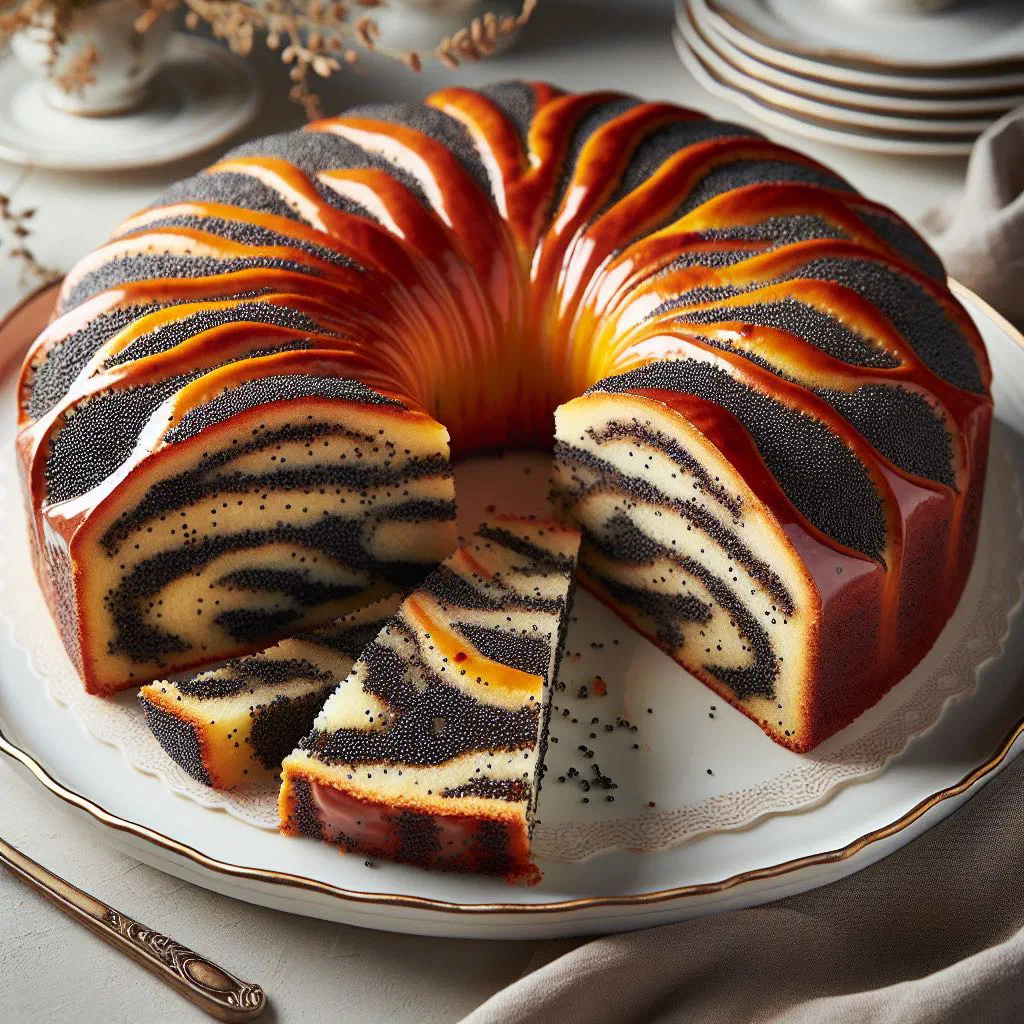
Treat yourself to Poppy Seed Cake, one of Austria’s most beloved bakes. This tender, golden sponge is shot through with the nutty, fragrant flavour of ground poppy seeds and finished with a simple dusting of icing sugar. Equally at home on a festive table or beside an afternoon cup of coffee, it is a sweet temptation that feels both comforting and a little bit special. Bring a slice of Viennese coffee-house tradition straight to your own kitchen.
About Poppy Seed Cake
Poppy Seed Cake is a truly Austrian classic, prized for its unmistakable flavour and for its deep roots in the country’s culture and traditions. This good dessert brings together the aromatic note of poppy seeds with a light, airy sponge and a creamy finish. What makes it so special is its versatility. It is a perfect fit for any occasion, whether a festive celebration or a relaxed gathering over coffee and cake. Its lasting popularity in Austria owes much to the use of regional ingredients and the care taken in its preparation, hallmarks of fine Austrian cuisine.
Ingredients (serves 1–2)
- 100 g ground poppy seeds
- 100 g sugar
- 3 eggs
- 100 g butter, at room temperature
- 100 g plain flour
- 1 teaspoon baking powder
- 1 pinch of salt
- To decorate: icing sugar or chocolate
Shopping for the ingredients
When buying poppy seeds, look for a good-quality product, ideally from a regional source, as the flavour really shines through in the finished cake. The butter should be fresh and high in fat content to give a fine, tender crumb. It is also worth choosing reliable brands of sugar and flour. Most of these ingredients are easy to find in any supermarket, while freshly ground poppy seeds can often be sourced from a local mill or ordered online.
Preparing the dish
Make sure all your ingredients are at room temperature, especially the butter, as this helps you achieve a smooth, even batter. Prepare your cake tin in advance by greasing it with butter and dusting it with flour so the Poppy Seed Cake turns out cleanly.
Step-by-step instructions
- Preheat the oven to 180 °C (conventional top and bottom heat).
- Beat the eggs and sugar together in a bowl until pale and fluffy.
- Add the softened butter and mix well.
- Stir in the ground poppy seeds, flour, baking powder and salt, combining everything into a smooth batter.
- Spoon the batter into the prepared tin and spread it out evenly.
- Bake in the preheated oven for about 30–35 minutes. Test with a wooden skewer to check whether the cake is done.
- Once baked, leave the cake to cool, then decorate as you like.
Gluten-free / lactose-free version
Poppy Seed Cake is easy to adapt for special diets. For a gluten-free cake, simply swap the plain flour for a good gluten-free flour blend so it suits anyone with a gluten intolerance. To make it lactose-free, use a plant-based margarine in place of the butter. Either way, the cake keeps its soft texture and nutty flavour, so every guest can enjoy a slice without compromise.
Tips for vegans and vegetarians
This bake is naturally vegetarian, and with a few swaps it adapts well for plant-based diets too. Replace the butter with a vegan margarine and use an egg substitute, such as a flax or chia “egg”, to bind the batter. Take care to check that any decoration, like chocolate, is free from animal products. With these small changes, the cake stays moist and full of poppy-seed flavour.
More tips and tricks
For an even richer aroma, stir a little vanilla sugar or some grated lemon zest into the batter. Let the cake rest in its tin for at least 10 minutes after baking before turning it out, which helps prevent it from breaking. A gentle hand when folding in the poppy seeds keeps the sponge light, much like the technique used for a delicate Sponge Roulade.
Adapting the recipe to your taste
Poppy Seed Cake is wonderfully easy to tailor to personal preference. Reduce the amount of sugar if you prefer a less sweet result, or fold in a handful of chocolate chips to give the cake a special twist. You could also add a splash of rum or a layer of fruit jam between halves of the sponge. This way you can create a cake that fits your own taste exactly.
Ingredient substitutions
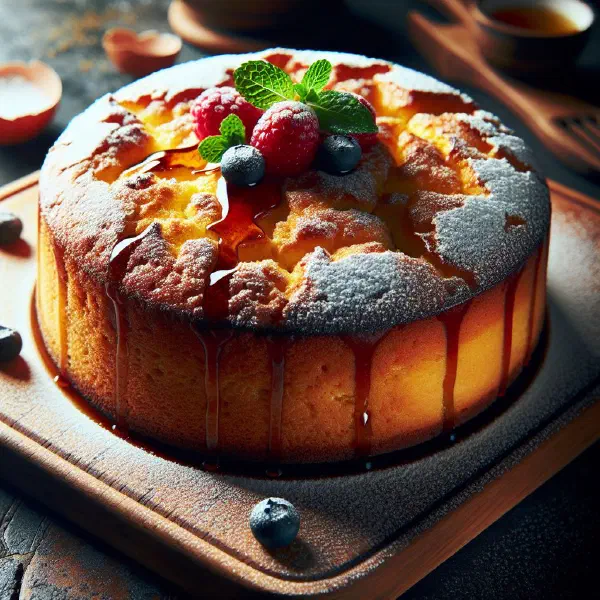
If certain ingredients are not to hand, there are plenty of easy alternatives. In place of butter you can use margarine, which also gives you a lactose-free cake. For a gluten-free version, simply reach for gluten-free flour. Ground almonds can stand in for part of the poppy seeds to add a nutty depth, the same warmth you find in a classic Nut Cake.
Drink pairing ideas
A cup of freshly brewed coffee is the natural partner for Poppy Seed Cake, in true Viennese coffee-house style. A glass of sweet elderflower cordial also works beautifully, and for a comforting alternative a fruity tea rounds off the slice nicely. Each of these drinks brings out the gentle, nutty notes of the poppy seeds.
Serving and presentation ideas
Presentation can lift the whole experience. Serve the cake on a pretty cake plate and dust it generously with icing sugar for an elegant finish. A few fresh berries or a scoop of vanilla ice cream add colour and freshness alongside each slice. Arranged on a tiered stand with other treats, it makes an inviting centrepiece for a coffee table.
A bit of history
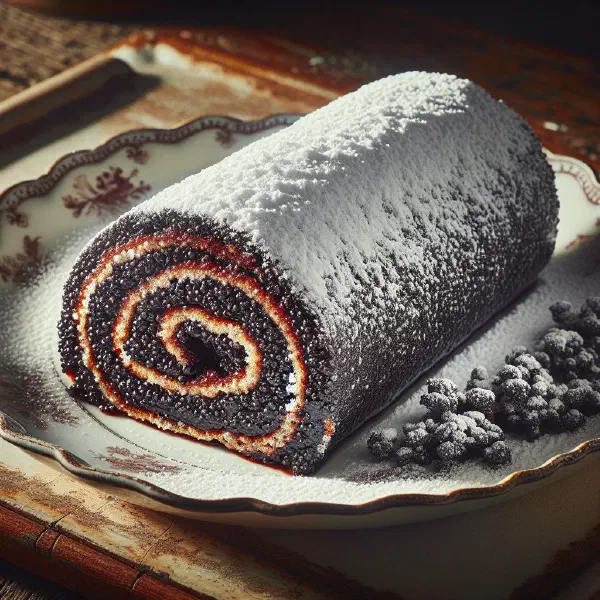
Poppy Seed Cake has its roots in both Hungarian and Austrian cooking, where poppy seeds have long played an important role. Over the centuries the recipe has evolved and is now enjoyed across many European countries. Poppy seeds are valued for their culinary qualities and for their nutritional benefits, being rich in minerals and healthy fats. The same love of poppy seeds runs through other Austrian favourites such as Poppy Seed Strudel and Poppy Seed Roulade.
More recipe ideas
Summary: Poppy Seed Cake
Poppy Seed Cake is a genuine treat and a feast for the senses. It combines the aromatic freshness of poppy seeds with a simple, fuss-free method that makes it an ideal highlight for any coffee table. Whether dusted with icing sugar for a festive spread or served plain with an afternoon brew, this Austrian classic never fails to please. Give it a try for yourself, your taste buds will thank you.