National Dish Austria: Powidltascherl (Recipe)
In this article
When the days grow short and the air turns crisp, few things warm the heart quite like a plate of Powidltascherl. These tender little dough pockets, plump with rich plum jam, are a cherished autumn and winter treat across Austria. Sweet, comforting and beautifully simple to make, they can grace the table as a dessert or take centre stage as a sweet main course. With only a handful of everyday ingredients, you can bring a taste of old-world Austrian baking straight into your own kitchen.
About Powidltascherl
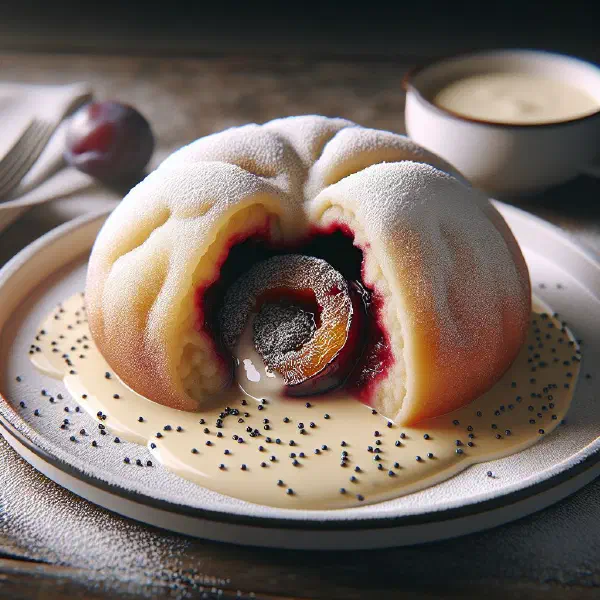
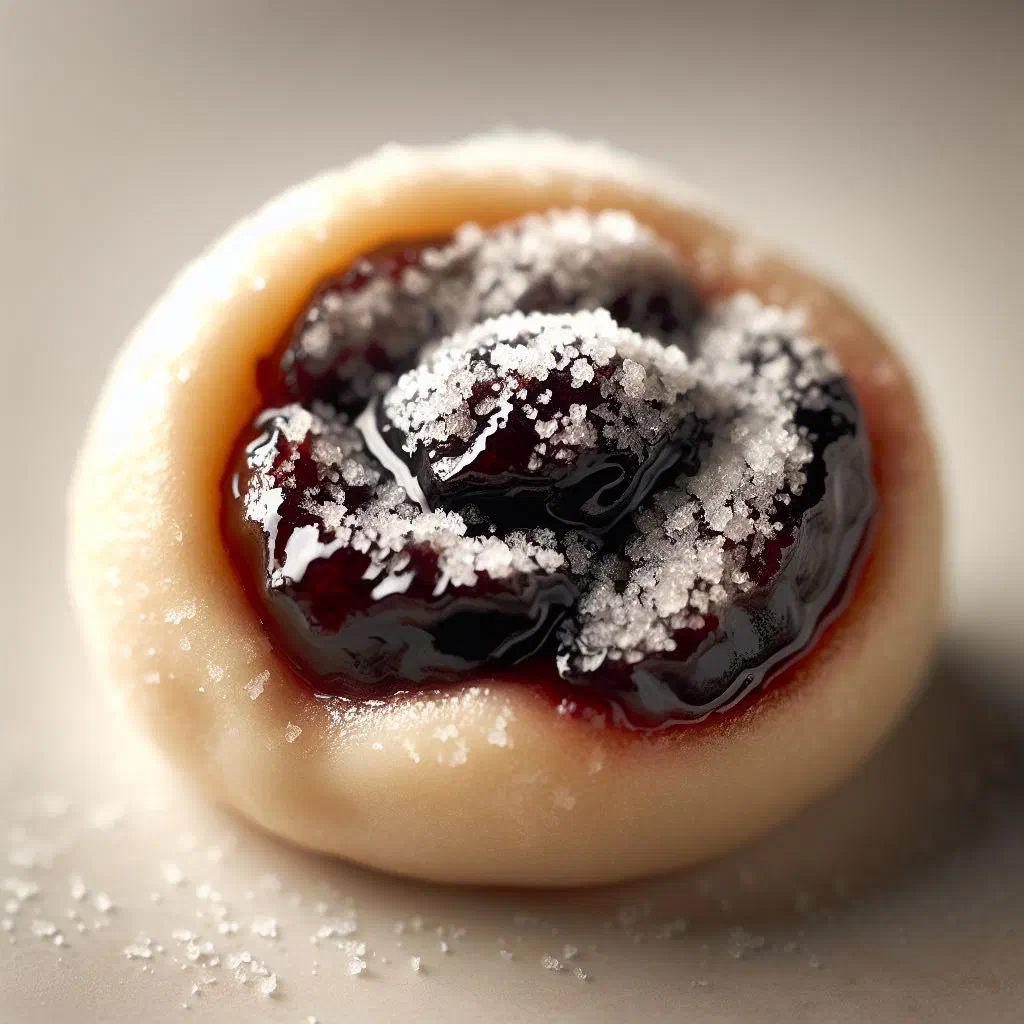
Powidltascherl are a traditional Austrian dish, especially popular through the autumn and winter months. These delicious little pockets, filled with powidl, a thick, slow-cooked plum jam, please the palate and the heart in equal measure. It is a sweet speciality that works equally well as a dessert or as a sweet main course. The preparation is wonderfully straightforward and calls for only a few ingredients, making it an ideal introduction to the gentle, homely side of Austrian cuisine.
Ingredients (serves 1–2)
- 300 g plain flour
- 200 g powidl (thick plum jam)
- 2 eggs
- 1 pinch of salt
- 50 g butter
- 100 ml milk
- Sugar and cinnamon, for dusting
Shopping for the ingredients
When shopping for the ingredients for Powidltascherl, it pays to choose high-quality products. The most important of all is the powidl, which forms the very heart of the dish. Look for a plum jam made without additives or preservatives for the truest flavour. For a particularly fragrant cinnamon-sugar topping, it is worth buying whole cinnamon sticks and grinding them yourself.
Preparing the dish
Preparing Powidltascherl begins with the dough. First, sift the flour into a bowl and mix in a pinch of salt. Next, add the eggs, the butter and the milk, then knead everything into a smooth, supple dough. Leave the dough to rest for at least 30 minutes so that it becomes elastic enough to roll out thinly, a step that makes all the difference to the finished pockets.
Step-by-step instructions
- Roll the dough out thinly on a floured surface.
- Cut out circles using the rim of a glass.
- Place a teaspoon of powidl in the centre of each circle.
- Fold the circles into half-moons and press the edges firmly together to seal.
- Cook the pockets in boiling salted water for about 5 minutes.
- Once removed, toss them in melted butter and dust generously with cinnamon sugar.
Gluten-free / lactose-free version
Powidltascherl are easy to prepare in a gluten-free or lactose-free way by reaching for the right alternatives. For a gluten-free version, simply swap the wheat flour for a good gluten-free flour blend. Those avoiding lactose can use plant-based milk and plant-based butter, and the flavour will still shine through beautifully. For some, a spoonful of dairy-free crème fraîche makes a tasty, lactose-free addition too.
Tips for vegans and vegetarians
There are simple tweaks for vegans and vegetarians as well. Eggs can be replaced with apple purée or a flax egg (1 tablespoon ground flaxseed plus 3 tablespoons water equals one egg). Swap the milk and butter for plant-based options such as almond or soya milk and vegan butter. The powidl filling is naturally vegan, so no changes are needed there at all, a real bonus for a plant-based table.
More tips and tricks
A good tip is to roll the dough especially thin, so the Powidltascherl turn out delicate and fine. If the pockets puff up while cooking, prick them gently with a fork to let the trapped air escape; this keeps the texture even and tidy. For anyone with a real sweet tooth, the finished pockets can also be brushed with a light sugar glaze for extra indulgence.
Adapting the recipe to your taste
The recipe for Powidltascherl is easy to adapt to personal preference. For a fruitier note, stir chopped dried fruits such as apricots or raisins into the powidl. Instead of cinnamon sugar, you might top them with ground nuts or poppy seeds, much as you would for Mohnnudeln. A savoury version with cheese or spinach is even possible if you leave the sugar out of the dough.
Ingredient substitutions
If you do not have powidl to hand, other jams or fruit purées work well too. Apricot or raspberry are particularly good choices thanks to their intense flavour, the same bright fruit that fills classic Marillenknödel. For the dough, spelt flour can stand in for wheat flour, lending a slightly nuttier character. And for a lighter option than butter, you might use margarine or coconut oil.
Drink pairing ideas
All sorts of drinks suit Powidltascherl. A strong coffee or espresso pairs beautifully with the sweetness of the pockets. A hot tea, especially fruit tea or black tea, rounds the dish off perfectly too. For a festive touch, a glass of low-acidity white wine or a dessert wine brings out the warm, fruity aromas wonderfully.
Serving and presentation ideas
For an appealing presentation, arrange the Powidltascherl on a pretty serving plate and garnish with fresh herbs such as mint or lemon balm. A dusting of icing sugar sprinkled over the top makes a lovely finishing touch. Serve them in small portions so that every guest gets their own delicious little helping to enjoy.
A bit of history
Powidltascherl have a long tradition in Austrian cooking and originally hail from Bohemian cuisine. They are a classic example of the sweet main courses much loved across this region. In rural areas in particular, Powidltascherl were served as a real comfort food on cold days. Today they remain a popular dish, found on the menus of many traditional inns, sitting comfortably alongside other beloved sweets such as Powidlstrudel and Topfentascherl.
More recipe ideas
Summary: Powidltascherl
Powidltascherl are a delicious, traditional dish from Austria, especially beloved in the cooler months of the year. With a simple list of ingredients and an uncomplicated method, these sweet little pockets can be whipped up quickly whenever the craving strikes. They adapt easily to all kinds of dietary needs and offer plenty of room for variation. Give this recipe a try and savour a genuine piece of Austrian tradition.