National Dish Austria: Pretzel (Recipe)
In this article
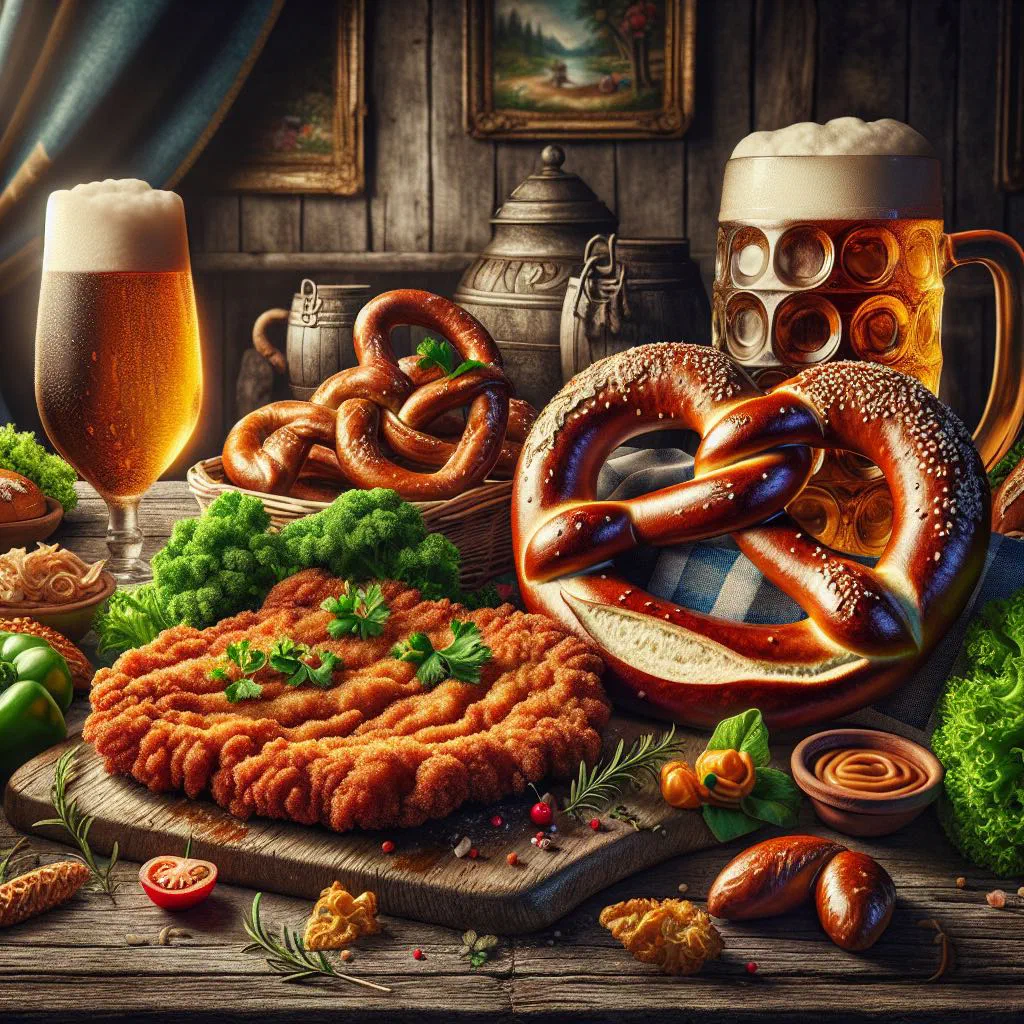
There is something very good about a freshly baked pretzel, with its glossy mahogany crust and soft, chewy crumb beneath. Though its roots lie in southern Germany, the lye pretzel has long been a fixture of Austrian beer gardens and country fairs alike. The play of a tender dough against a salty, burnished surface makes it the perfect savoury snack. In this recipe you will learn how to shape and bake your own at home, plus a few tricks for getting that signature finish.
About Pretzel
The pretzel is a traditional baked good that originated in Germany yet is also firmly woven into Austrian cooking. In Austria it is especially popular in beer gardens and at folk festivals, where it is sold by the basketful. The unique combination of a soft dough structure and a crisp, salty surface makes the pretzel a much-loved snack choice. Its distinctive knotted shape is as recognisable as the flavour, and it sits comfortably alongside other classics of Austrian cuisine such as hearty breads and savoury bites.
Ingredients (serves 1–2)
- 250g plain flour
- 15g fresh yeast
- 1 tsp sugar
- 125ml lukewarm water
- 20g butter
- 1 tsp salt
- 2 tbsp bicarbonate of soda
- Coarse salt, for sprinkling
Shopping for the ingredients
Shopping for pretzel ingredients is straightforward, as most of them are available in any supermarket. When buying the yeast, make sure it is fresh so you get the best rise. The butter should be unsalted, so the salt balance in the dough stays just right. A coarse salt such as sea salt works best for sprinkling over the pretzels before they go into the oven.
Preparing the dish
Before you begin making the pretzels, make sure all your ingredients are at room temperature. This helps the dough rise more evenly. Prepare a work surface as well by dusting it lightly with flour. Preheat the oven to 220 degrees Celsius so it is ready as soon as the pretzels are shaped, much as you would when baking a loaf of Bauernbrot.
Step-by-step instructions
- Crumble the yeast into the lukewarm water and stir in the sugar. Leave to stand for 5 minutes until the mixture froths.
- Tip the flour into a bowl, make a well in the centre and pour in the yeast mixture. Add the butter and salt and knead everything to a smooth dough.
- Cover the dough and leave it to rise in a warm place for about 45 minutes, until doubled in size.
- Divide the dough into equal portions, roll them into long ropes and shape into pretzels.
- Bring water to the boil in a large pan and stir in the bicarbonate of soda. Dip each pretzel into the boiling water for about 30 seconds.
- Place the pretzels on a baking tray lined with parchment, sprinkle with coarse salt and bake for about 15–20 minutes until golden brown.
Gluten-free / lactose-free version
For a gluten-free version you can use a gluten-free flour that is specifically suited to baking. Take care that the yeast is also labelled gluten-free. To make the pretzel lactose-free, swap the butter for a plant-based margarine. The remaining steps stay the same, so you keep the characteristic flavour and texture of the baked good.
Tips for vegans and vegetarians
Happily, the pretzel is naturally vegetarian. For a vegan version, replace the butter with a plant-based alternative such as margarine. There are also vegan flours that contain no animal-derived additives. To be sure that all your ingredients are suitable, check the labels for any animal-based components.
More tips and tricks
To achieve an even browning and crust, you can briefly pat the pretzels dry straight after their lye bath, which stops them from softening too much. Spritzing the pretzels with a little water before baking can also help create an even crisper crust. With different toppings such as poppy seeds, sesame or cheese, you can give your pretzels a personal touch.
Adapting the recipe to your taste
The pretzel recipe is easy to adapt to your own preferences. If you like things a little sweeter, you can slightly increase the amount of sugar in the dough. For a more savoury note, add extra spices such as caraway or paprika powder. Filled variations, for example with cheese or sausage, are also possible and lend the classic a new dimension, in much the same spirit as the cheese-laden Käsespätzle.
Ingredient substitutions
If certain ingredients are not available, or you simply prefer alternatives, there are a few helpful tips. Instead of fresh yeast you can also use dried yeast. For the coarse salt, fleur de sel or Himalayan salt make good substitutes. If you have neither butter nor margarine to hand, olive oil can be used to keep the dough supple.
Drink pairing ideas
A classic pretzel goes wonderfully with beer and wheat beer, which is exactly why it is such a popular choice in beer gardens. For anyone who prefers to avoid alcohol, a refreshing lemon water or apple spritzer makes the perfect companion. A strong coffee or black tea can be an interesting pairing too, particularly when the pretzel is enjoyed as a hearty snack in the morning.
Serving and presentation ideas
To present your pretzels attractively, arrange them on a rustic wooden board. Small bowls of various dips such as mustard, cheese or herb butter pair nicely alongside. Little wicker baskets, with the pretzels stacked inside, also make for an appealing look. Finish the whole thing with a few herbs or seasonal flowers for a special touch, the kind of spread that would feel at home next to a platter of Vienna Sausages.
A bit of history
The pretzel has a long history that reaches back to the early Middle Ages. Originally baked in monasteries, its distinctive shape was said to symbolise the Holy Trinity. In Bavaria and Austria it quickly became an everyday snack, prized above all in combination with beer. Today the pretzel ranks among the best-known specialities of German-speaking cuisine and is appreciated the world over.
More recipe ideas
Summary: Pretzel
The pretzel is a delicious and versatile speciality that adapts easily to different dietary needs and taste preferences. The combination of a soft dough and a crisp crust makes it an indispensable part of beer gardens and folk festivals. With the right ingredients and a few tips and tricks, it is guaranteed to succeed at home too. Enjoy your pretzel in the classic style, or experiment with different variations and toppings.