National Dish Austria: Quark Cheesecake (Recipe)
In this article
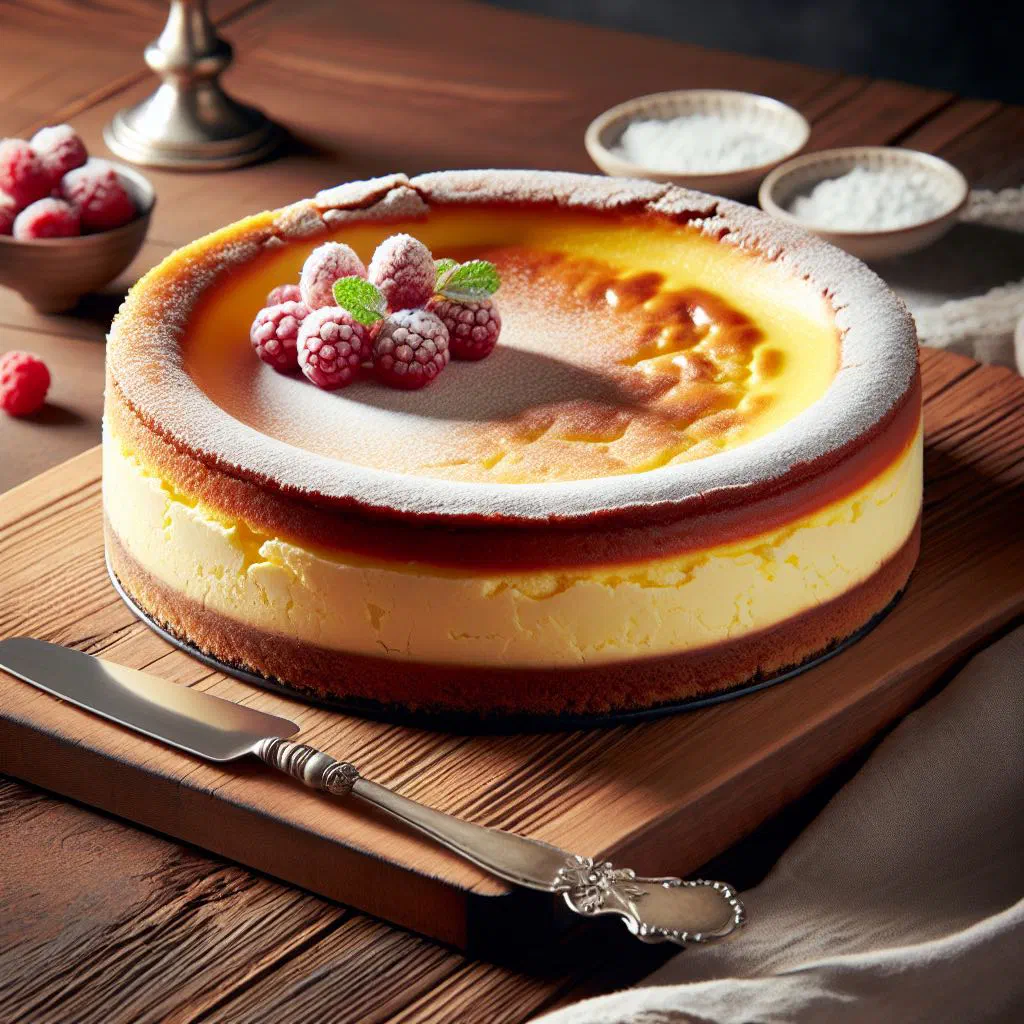
Treat yourself to Quark Cheesecake, a heavenly Austrian classic that captures the gentle comfort of Alpine baking. A crisp shortcrust pastry base cradles a wonderfully creamy quark filling, perfumed with the soft warmth of vanilla. Light yet indulgent, it makes the perfect centrepiece for an afternoon coffee table or a relaxed weekend dessert. Conjure up this little masterpiece of the Austrian kitchen in your own home.
About Quark Cheesecake
Quark Cheesecake, known in Austria as Topfentorte, is a beloved dessert that has long been a favourite throughout the country. It is built on a delicate shortcrust pastry base topped with a smooth filling made from quark (a fresh curd cheese, Topfen in Austrian German). The contrast between the crisp pastry and the rich, creamy filling gives the cake its unmistakable character. It is a fixture of the Austrian dessert tradition and sits comfortably alongside other classics of Austrian cuisine, from strudels to nockerl.
Ingredients (serves 1–2)
- 200 g shortcrust pastry
- 250 g quark (curd cheese)
- 100 g sugar
- 1 sachet vanilla sugar
- 3 eggs
- 50 g butter
- 1 tablespoon lemon juice
- 1 pinch of salt
Shopping for the ingredients
When shopping for the ingredients for your quark cheesecake, it pays to focus on quality. Choose fresh, creamy quark for the very best texture, as it is the heart of the filling. The eggs should be as fresh as possible and ideally from free-range, happy hens. The shortcrust pastry can either be made from scratch or bought ready-rolled from the supermarket, whichever suits your time and confidence in the kitchen.
Preparing the dish
Before you begin baking the quark cheesecake, make sure all your ingredients are to hand. The shortcrust pastry needs to be rolled out and pressed into a tart tin. The quark should be thoroughly combined with the sugar, vanilla sugar, eggs, butter, lemon juice and a pinch of salt until you have a smooth, even mixture. Preheat the oven to 180 degrees Celsius so it is ready the moment your tin is filled.
Step-by-step instructions
- Lay the shortcrust pastry into a greased tart tin and gently press it up the sides.
- Spread the quark mixture evenly over the pastry base.
- Bake the cake in the preheated oven at 180 degrees Celsius for around 40–50 minutes, until the surface is golden brown.
- Remove the cake from the oven and let it cool completely before slicing.
- Dust with icing sugar just before serving.
Gluten-free / lactose-free version
This quark cheesecake is easy to adapt for special diets. For a gluten-free version, simply swap the regular shortcrust pastry for a gluten-free dough, which is now widely available. To make it lactose-free, choose a lactose-free quark and a suitable butter alternative. With so many gluten- and lactose-free products on the market these days, recreating this recipe to suit your needs is more straightforward than ever.
Tips for vegans and vegetarians
To make the quark cheesecake vegan, replace the quark with a plant-based alternative such as soya curd. The eggs can be swapped for apple sauce or a flaxseed “egg”, both of which help bind the filling beautifully. Vegan butter and gluten-free flours work wonderfully here too, so you can enjoy a fully plant-based version that loses none of the cake’s creamy charm.
More tips and tricks
Take care not to leave the quark cheesecake in the oven for too long, as it can quickly turn dry. A gentle wobble in the centre of the cake is a good sign that it has reached the perfect consistency. Always allow the cake to cool completely before cutting, which gives you clean, tidy slices. Patience at this stage is well rewarded with a far more elegant result.
Adapting the recipe to your taste
The quark cheesecake is wonderfully easy to tailor to your own preferences. Add a little lemon or orange zest to the quark mixture for a bright, fresh note. You could also fold in raisins or chocolate chips for extra flavour and texture. Much like a comforting Topfenknödel, this is a quark-based treat that happily takes on small twists, so feel free to experiment.
Ingredient substitutions
If you do not have quark to hand, ricotta or Greek yoghurt both make excellent stand-ins, offering a similar consistency and a comparable flavour. For the shortcrust pastry, margarine can replace the butter, which also makes the cake easier to keep vegan. These simple swaps mean you can still bake a lovely cheesecake even when your cupboard is not perfectly stocked.
Drink pairing ideas
A quark cheesecake pairs beautifully with a fresh, light white wine such as a Riesling or a Muskateller. A sparkling glass of Prosecco also complements the creamy sweetness of the cake very nicely. For children and anyone who prefers an alcohol-free option, freshly squeezed orange juice or a cup of aromatic herbal tea make perfect partners to a slice.
Serving and presentation ideas
Serve the quark cheesecake on a pretty cake stand and dust it with a little icing sugar just before bringing it to the table. A sprig of fresh mint or a scattering of berries makes a charming decoration and adds a welcome splash of colour. A drizzle of raspberry sauce or a dollop of whipped cream rounds the cake off beautifully, much as it would a plate of Salzburger Nockerl.
A bit of history
The quark cheesecake has a long tradition in Austria and has been baked there for centuries. Its origins lie in country cooking, where quark, an inexpensive and readily available dairy product, was a kitchen staple. Over time the cake grew into a much-loved dessert, enjoyed across many regions of Austria in countless variations. It remains a proud example of the homely, generous spirit that defines Austrian cuisine.
More recipe ideas
Summary: Quark Cheesecake
The quark cheesecake is a delicious, traditional Austrian dessert that is easy to recreate at home. With just a handful of ingredients and a few simple steps, you can prepare and enjoy this speciality yourself. Whether gluten-free or lactose-free, vegan or classic, the cake adapts wonderfully and offers something to suit every taste. Give it a go and let yourself be charmed by this timeless classic of the Austrian kitchen.