National Dish Austria: Roasted Chestnuts (Recipe)
In this article
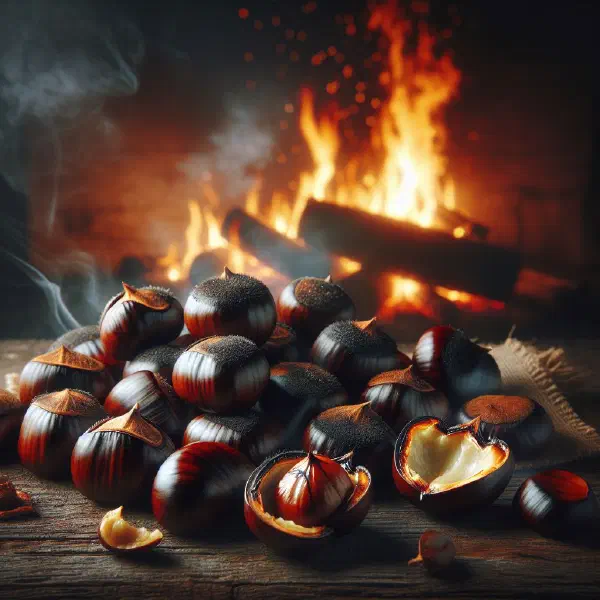
There is nothing quite like the smell of roasted chestnuts drifting through a chilly Austrian street in autumn. Sold piping hot from glowing braziers at Christmas markets, these humble nuts are a byword for cosiness and warmth. Beyond their toasty flavour, they are wholesome too, packed with vitamins and minerals. Best of all, they could not be simpler to make at home, so you can bring that festive market feeling straight into your own kitchen.
About Roasted Chestnuts
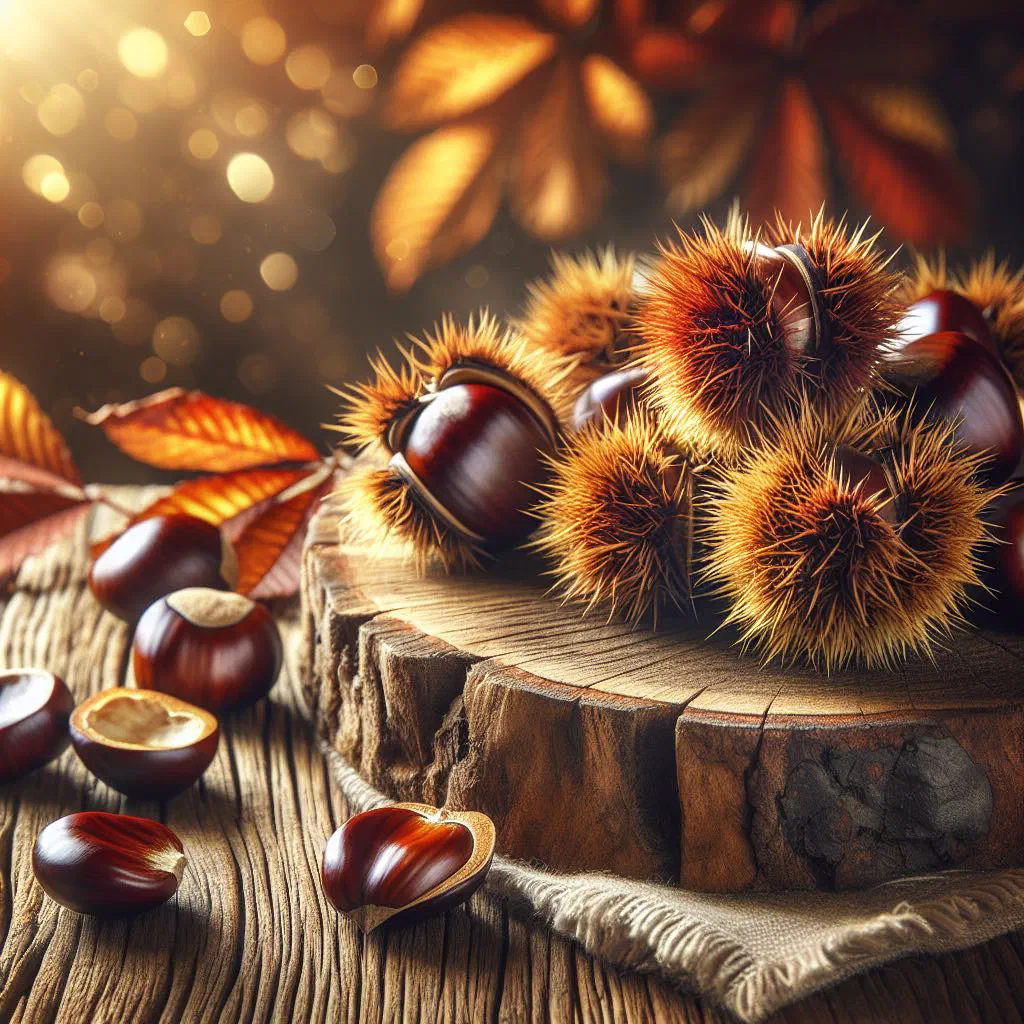
Roasted chestnuts, known in Austria as Maroni, are a much-loved delicacy, especially once the cold weather sets in. Also called sweet chestnuts, they are sold from steaming stalls at Christmas markets and have become a symbol of comfort and warmth. These delicious nuts are tasty and good for you, being rich in vitamins and minerals. If you are after a simple, traditional way to prepare them, you have come to exactly the right place. They are one of the most evocative snacks in all of Austrian cuisine.
Ingredients (serves 1–2)
- 500g fresh chestnuts
- Salt (optional)
- Water
Shopping for the ingredients
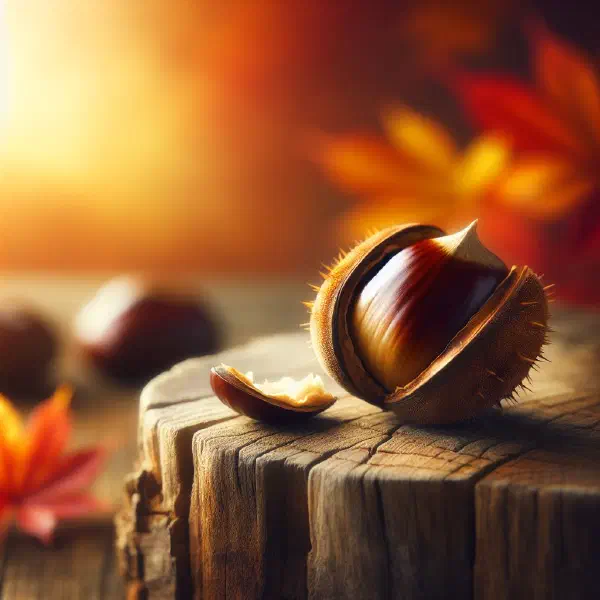
When buying chestnuts, look for ones with a smooth, glossy shell. Press the nut gently. It should feel firm rather than soft. Avoid any with cracks or blemishes, as these can be a sign of age or poor quality. Wherever possible, choose the freshest chestnuts you can find, since these have the best flavour and texture.
Preparing the dish
Before you start cooking, give the chestnuts a thorough wash under cold running water. Then, using a sharp knife, cut a cross into the flat side of each nut. This stops them bursting during cooking. Finally, leave the chestnuts to soak in a bowl of water for around 30 minutes, which helps to soften the shell and makes peeling easier later.
Step-by-step instructions
- Preheat the oven to 200°C.
- Arrange the soaked chestnuts on a baking tray with the scored side facing up.
- Roast for about 20–25 minutes, until the shells split open and the nuts turn golden brown.
- Carefully remove the chestnuts from the oven and let them cool briefly before peeling away the shell and the inner skin.
- Optional: sprinkle the peeled chestnuts with a pinch of salt and serve warm.
Gluten-free / lactose-free version
Chestnuts are naturally gluten-free and lactose-free, which makes them an excellent choice for anyone with these intolerances. Simply take care not to add any ingredients that might contain gluten or lactose. Enjoy the chestnuts on their own, or pair them with other gluten- and lactose-free foods for a satisfying snack.
Tips for vegans and vegetarians
Chestnuts are ideal for a vegan and vegetarian diet, as they contain no animal products whatsoever. You can finish the roasted nuts with a little plant-based butter or oil to add extra richness. For something more refined, serve them with a vegan cream sauce, or scatter them over an autumnal salad as a hearty topping.
More tips and tricks
To make peeling easier, wrap the chestnuts in a damp cloth for a few minutes straight after roasting. The steam softens the shell so it comes away more readily. Make sure every nut is properly scored before it goes in the oven, otherwise some may not split as they should. Store unpeeled chestnuts in a cool, dry place to keep them fresh for as long as possible.
Adapting the recipe to your taste
The basic recipe can easily be tweaked to suit your preferences. If you have a sweet tooth, dust the peeled chestnuts with a little cinnamon and sugar. For a savoury twist, try adding herbs such as rosemary or thyme. Experiment with different seasonings until you hit on your own perfect version, the same playful spirit you will find in a Sweet Sterz.
Ingredient substitutions
If you cannot find fresh chestnuts, jarred peeled and cooked chestnuts make a handy alternative. These are often ready to eat and simply need warming through. While the flavour may differ a little, they offer a similar texture and are still delicious. Try a few brands to find the best quality, much as you would when sourcing nuts for a Linzer Torte.
Drink pairing ideas
Chestnuts go beautifully with a range of drinks, depending on the occasion and your own taste. The classic pairing is a glass of red wine or a warming mulled wine, both especially popular at Christmas markets. If you would rather skip the alcohol, hot tea or cocoa works wonderfully alongside them.
Serving and presentation ideas
For an appealing presentation, pile the chestnuts into a rustic wooden bowl or onto a decorative plate. A few autumnal touches, leaves, pine cones or small twigs, lend the table a lovely seasonal feel. Napkins with autumn motifs complete the look and make the spread even more inviting. With very little effort, a simple snack becomes a real eye-catcher.
A bit of history
Chestnuts have a long heritage and have been a key part of European cooking for centuries. They originally came from Asia Minor and made their way to Europe via the Mediterranean. In Austria, they were popularised in particular by the Romans, who planted them in their settlements. Today they are firmly woven into Austrian culture and are enjoyed with special relish during Advent, much like a festive Christstollen.
More recipe ideas
Summary: Roasted Chestnuts
Roasted chestnuts are a traditional treat in Austria and a wonderfully easy and versatile ingredient. With just a handful of items and a few simple steps, you can prepare delicious chestnuts at home. They adapt readily to different dietary needs and tastes. Try the various twists for yourself and savour this autumnal highlight.