National Dish Austria: Rye Bread (Recipe)
In this article
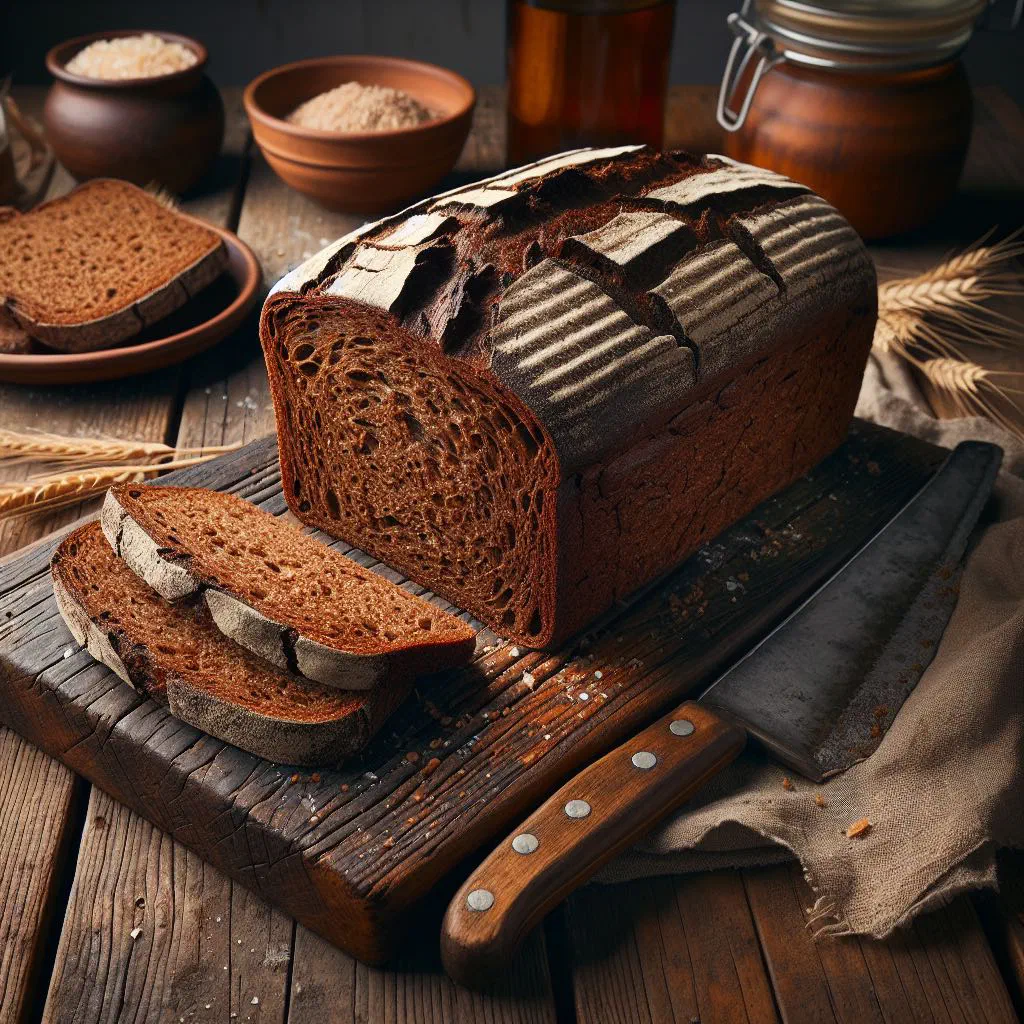
There is something deeply satisfying about a fresh loaf of rye bread, and this traditional Austrian recipe captures it perfectly. With its dark crumb, crusty top and gently nutty flavour, it is a true cornerstone of the country’s baking tradition. Wholesome and rich in fibre, it makes the ideal partner for spreads, cheese or a simple slab of butter. Best of all, it asks for only a handful of everyday ingredients, so you can bring the warm aroma of an Austrian bakery straight into your own kitchen.
About Rye Bread
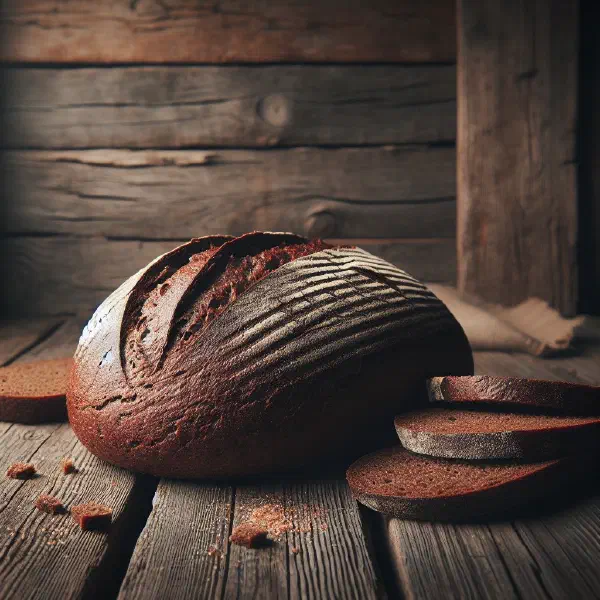
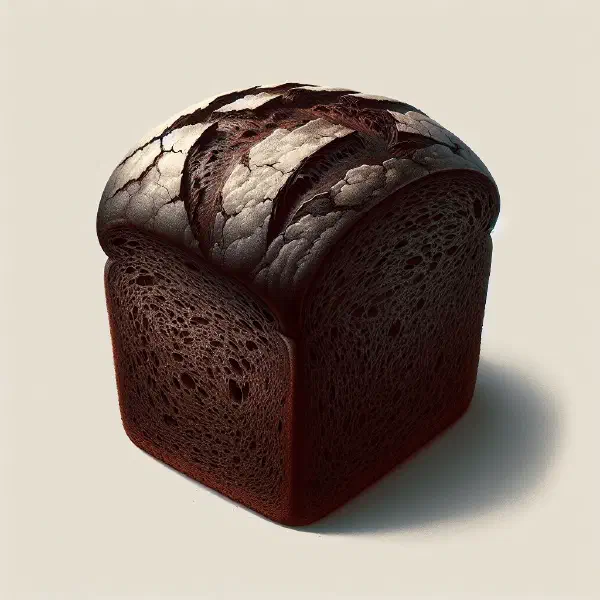
Rye bread is a symbol of Austrian cuisine, bringing traditional flavours into any kitchen. Made from rye flour, it owes its characteristic colour and crusty surface to this grain, and its deep, nutty taste. Its high fibre content makes it a genuinely wholesome choice, and it sits happily alongside almost anything you care to serve. Spreads, cheese and a great many other accompaniments all work beautifully with this hearty, honest loaf.
Ingredients (serves 1–2)
- 250 g rye flour
- 200 ml water
- 1 tsp salt
- ½ tsp honey
- ½ block fresh yeast (about 21 g)
Shopping for the ingredients
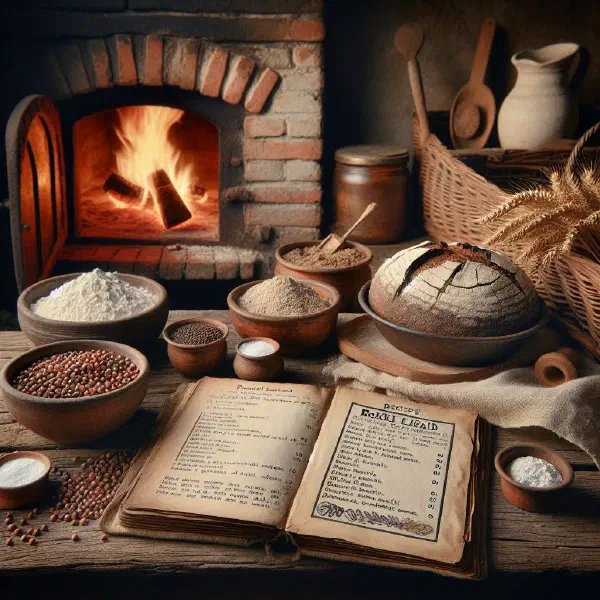
When shopping for the ingredients for your rye bread, it is worth choosing good-quality products. Look out for organic rye flour to guarantee the best flavour and quality, and make sure your fresh yeast is well within date, as it is crucial for proper dough development. Local markets or a well-stocked supermarket are the best places to track down everything you need, and a little care at this stage pays off in the finished loaf.
Preparing the dish
Preparing rye bread begins with combining the dry ingredients. Tip the rye flour into a large bowl and mix it thoroughly with the salt. In a smaller bowl, dissolve the fresh yeast together with the honey in lukewarm water. This mixture is then added to the dry ingredients and kneaded well until you have a smooth, homogeneous dough ready to prove.
Step-by-step instructions
- Tip the rye flour and salt into a bowl and mix well.
- Dissolve the yeast in the lukewarm water along with the honey.
- Add the yeast mixture to the dry ingredients and knead everything thoroughly.
- Leave the dough to prove for around 30 minutes in a warm spot.
- Once risen, transfer the dough to a loaf tin and smooth the top.
- Bake in a preheated oven at 220 °C for about 40–45 minutes.
- After baking, leave the loaf to cool on a wire rack.
Gluten-free / lactose-free version
For a gluten-free version, you can swap the rye flour for a gluten-free flour blend. Choose one that is well balanced so the bread keeps its structure and does not turn out crumbly. As for lactose, you can rest easy: this rye bread is naturally lactose-free, since no dairy products are required at all. Combining it with plant-based stocks in a meal is perfectly possible too, making it a flexible choice for sensitive diets.
Tips for vegans and vegetarians
A vegan and vegetarian diet is no obstacle here, as the recipe contains no animal products whatsoever. For an extra layer of nutty flavour, work some nuts or seeds into the dough before proving. These additions bring extra taste and make the bread more nourishing. Feel free to refine the loaf with herbs or spices of your choosing for a flavour that is entirely your own.
More tips and tricks
A few simple tricks can make baking your rye bread even easier. Always use lukewarm water when mixing the ingredients, as this activates the yeast at its best. Take care not to over-knead the dough so the bread stays light, and give it enough time to prove before it goes into the oven. That resting time is genuinely decisive for a good, even texture, so resist the temptation to rush it.
Adapting the recipe to your taste
You can adapt this rye bread to your own preferences by adjusting the ingredients. For a softer crumb, add a little more water; for a denser loaf, hold back slightly on the liquid or the flour. It also takes beautifully to different spices, such as caraway, which lends a classic Austrian note and intensifies the aroma. Experiment a little and find the perfect blend for your taste.
Ingredient substitutions
If you do not have certain ingredients to hand, there are easy alternatives to fall back on. You can replace the honey with agave syrup for a fully vegan version, for example. Leaving out the yeast altogether gives you a quick flatbread-style result instead. Bear in mind that every change affects the flavour and texture of the bread, so try a few variations to discover which one you like best. It pairs as happily with a warming Lentil Soup as it does with a slice of cheese.
Drink pairing ideas
Classic drinks such as a good beer or a robust red wine go wonderfully with rye bread. Fruity juices or sparkling water are equally refreshing and round off the experience nicely. For a special breakfast, serve a cup of coffee or tea to complement the bread’s nutty notes. Find the perfect partner for your meal and enjoy that full, satisfying flavour.
Serving and presentation ideas
Thoughtful presentation can lift the whole rye bread experience. Serve the loaf in an attractive basket or on a rustic wooden board to play up its traditional character. Cut the bread into neat slices and arrange them invitingly on the table, perhaps as part of a generous Brettljause platter. A little fresh parsley or a few tomatoes as garnish add a pop of colour and a fresh, appealing look.
A bit of history
Rye bread has a long tradition in Austrian cuisine, as rye thrives in the cooler regions of the country. In many rural areas, rye was the staple grain precisely because it was hardier and less demanding to grow than wheat. Over the centuries the recipe has evolved while staying true to its roots, and this honest loaf is part of the same heritage that gives us a rustic Farmhouse Bread. It remains a firm fixture of Austrian cuisine and a base for countless traditional dishes.
More recipe ideas
Summary: Rye Bread
With its nutty notes and hearty crust, it is a superb companion to a great many dishes. Add to that its wholesome, fibre-rich character, and it is easy to see why it remains such a favourite. Bring a taste of Austria into your own home and enjoy the real, honest flavour of a freshly baked loaf.