National Dish Austria: Rye Rolls (Recipe)
In this article
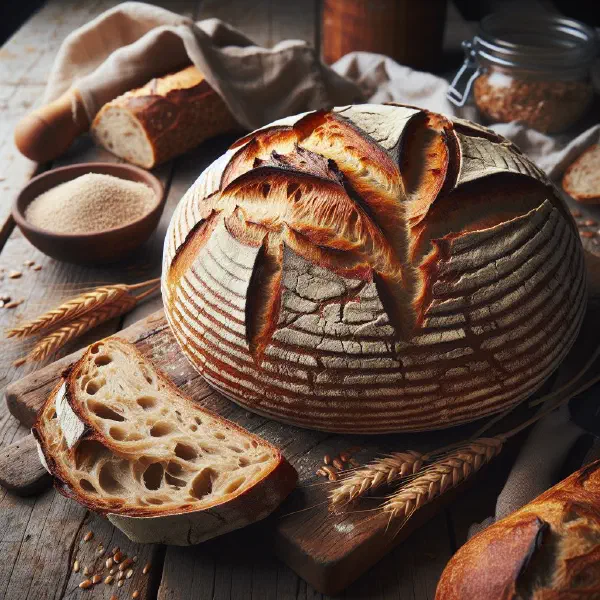
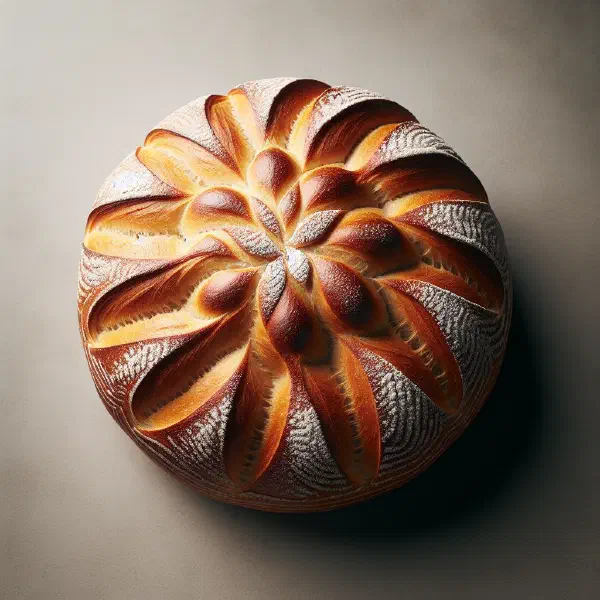
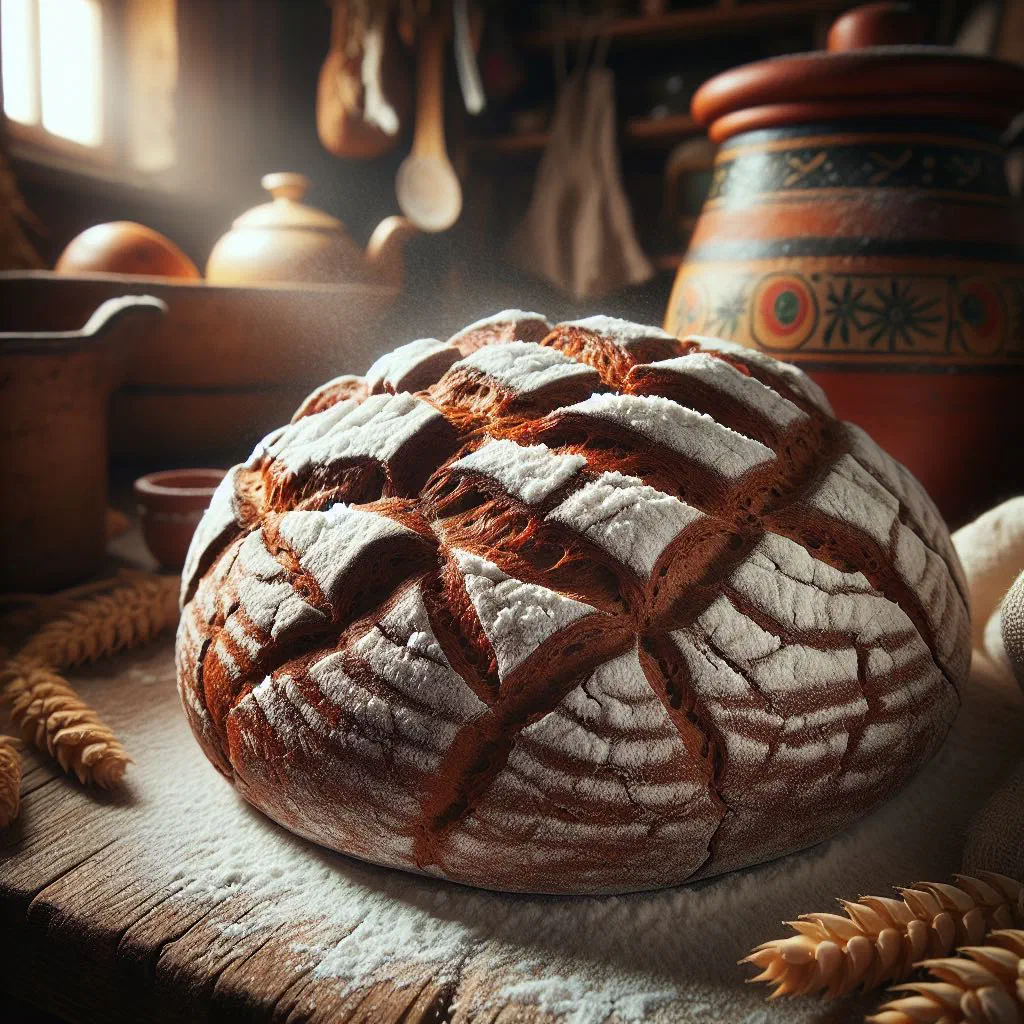
Meet rye rolls, the kind of humble, crusty bread that turns an ordinary breakfast into something to look forward to. With a crackling golden crust and a hearty, faintly earthy crumb, these little rolls are a cornerstone of everyday Austrian baking. Serve them warm with butter and jam, or alongside a bowl of soup or a hearty main. They slot effortlessly into any meal of the day. Best of all, they are surprisingly simple to bake at home.
About Rye Rolls
Rye rolls are a much-loved staple of Austrian cuisine, prized for their crisp crust and satisfying, savoury flavour. They owe their character to rye flour, which gives the crumb a denser texture and a gently nutty taste quite unlike a standard wheat roll. Wonderfully versatile, they work as a side to hearty dishes or simply on their own with a little butter. Few breads capture the rustic, down-to-earth spirit of traditional Austrian baking quite so well.
Ingredients (serves 1–2)
- 250 g rye flour
- 150 ml lukewarm water
- 1 tsp salt
- 1 tsp sugar
- 1/2 sachet dried yeast
- 1 tbsp oil (e.g. olive oil)
Shopping for the ingredients
To bake the best rye rolls, choose fresh ingredients that you can find in any well-stocked supermarket. Pay particular attention to the quality of the rye flour, as it has a big influence on the final flavour of the rolls. The dried yeast should be fresh too, so the dough proves properly and rises well. Allow yourself a little time when shopping to make sure you have everything you need to hand.
Preparing the dish
Before you start making the rye rolls, it is well worth setting out your work surface and the equipment you will need, such as a mixing bowl and a baking tray. Good preparation makes the whole baking process easier and more efficient. Have a clean tea towel ready as well, so you can cover the dough while it proves. That keeps it nice and warm and helps it rise beautifully.
Step-by-step instructions
- Tip the rye flour into a large bowl and make a well in the centre.
- Add the salt, sugar and dried yeast to the well, then pour in the lukewarm water.
- Mix everything together thoroughly with a spoon, then knead the dough for about 5–7 minutes.
- Cover the dough with a tea towel and leave it to prove in a warm place for around 1 hour.
- Preheat the oven to 220°C and shape the risen dough into small rolls.
- Place the rolls on a baking tray lined with baking paper and leave them to prove for a further 20–30 minutes.
- Bake the rye rolls for 20–25 minutes, until golden brown and crisp.
Gluten-free / lactose-free version
To make the rye rolls gluten-free, use a gluten-free rye flour or a blend of different gluten-free flours. Be sure that every ingredient, including the yeast, is certified gluten-free. For a lactose-free version, simply use a lactose-free oil, though in this recipe the oil is naturally dairy-free anyway. The method stays exactly the same, so anyone with a food intolerance can still enjoy these delicious rolls.
Tips for vegans and vegetarians
These rye rolls are naturally vegan, as they contain no animal products at all. Just double-check that the oil you use is plant-based. For extra flavour, you can work spices such as caraway or seeds like sunflower seeds into the dough. These little touches add variety to the taste and make the rolls a slightly more wholesome snack.
More tips and tricks
To give your rye rolls an especially crisp crust, place a dish of water in the oven while they bake, the steam works wonders. After baking, let the rolls cool on a wire rack so they do not turn soggy underneath. The rolls also freeze very well: simply pop them into a freezer bag once cooled and warm them through in the oven later, just like a fresh batch of Bauernbrot.
Adapting the recipe to your taste
The rye rolls recipe is easy to adjust to your own preferences. If you like things a touch sweeter, add a little honey or agave syrup. For a more savoury, aromatic result, work in dried herbs or spices such as paprika. Experiment with different flours, such as spelt, to discover new flavours, much as you would when baking a Rosinenweckerl. Your creativity really is the only limit here.
Ingredient substitutions
Instead of rye flour, you can use other flours such as wholemeal or spelt, just as in a loaf of Roggenbrot. There are alternatives for the yeast too: fresh yeast or a sourdough starter will lend the rye rolls a different character, much like a proper Roggenbrot Mit Sauerteig. Olive oil can be swapped for sunflower or rapeseed oil, according to taste. It is well worth trying out different ingredients to find the combinations you like best.
Drink pairing ideas
The rye rolls pair beautifully with a whole range of drinks. At breakfast, freshly brewed coffee or tea is a perfect match, while alongside hearty savoury dishes they go nicely with a glass of red wine. A cold beer is another excellent companion. Experiment with different drinks to find the pairing that brings out the rolls at their best.
Serving and presentation ideas
Presenting the rye rolls can be wonderfully simple. Serve them on a rustic wooden board with a selection of spreads such as butter, cheese or jam, alongside a crisp Kaisersemmel for a generous bread basket. Fresh herbs or edible flowers make a pretty garnish and add a lively touch. An appealing presentation whets the appetite and makes every meal feel a little more special.
A bit of history
The story of the rye rolls stretches far back and reflects the tradition and culture of Austrian baking. Rye was cultivated early on and was a particularly important food source for rural communities. These rolls are a fine example of how simple ingredients can be transformed into something tasty and nourishing. That heritage lives on today across the breads of Austrian cuisine, keeping the tradition very much alive.
More recipe ideas
Summary: Rye Rolls
The rye rolls are a delicious, traditional addition to any meal. Their straightforward preparation and their willingness to be adapted to personal taste make them an ideal recipe for any cook. They bring the flavour of Austria straight to your table. Give them a go and let those rustic aromas win you over.