National Dish Austria: Saftgulasch (Recipe)
In this article
Tender beef simmered low and slow in a glossy, paprika-rich onion sauce. That is the heart and soul of Saftgulasch, one of Austria’s most cherished comfort dishes. Brimming with the gentle warmth of caraway and sweet paprika, this hearty stew brings a real sense of Austrian Gemütlichkeit to the table. Mop up every last drop of that velvety sauce with crusty bread or soft dumplings, and you have the perfect Jause for a cosy evening at home.
About Saftgulasch
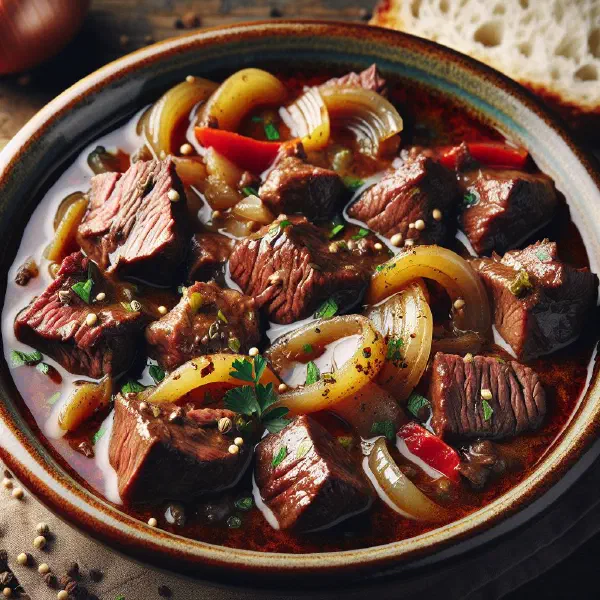
Saftgulasch is a traditional Austrian national dish prized above all for its tasty, full-bodied sauce. It is built around pieces of tender beef that cook gently in a savoury onion sauce until they almost melt on the fork. The dish is hugely popular not only in Austria but among lovers of Central European cooking everywhere. A good Saftgulasch is usually served with bread or potatoes so you can make the most of that gorgeous sauce, much like a classic Viennese Goulash does on tables across the country.
Ingredients (serves 1–2)
- 300g beef (such as shoulder or shin)
- 3 large onions
- 2 tablespoons paprika (sweet)
- 1 tablespoon tomato purée
- 500ml beef stock
- 2 garlic cloves
- 1 teaspoon caraway seeds
- Salt and pepper, to taste
- 2 tablespoons oil
Shopping for the ingredients
When shopping for the ingredients for Saftgulasch, quality really matters. Choose tender beef suited to long, slow cooking, such as shoulder or shin. Fresh onions and garlic are equally essential and shouldn’t be skipped. Be sure to pick up a good sweet paprika and a robust beef stock, as these give the dish the depth of flavour that sets a great goulash apart.
Preparing the dish
Before you begin cooking, it pays to get all the ingredients ready. Cut the beef into bite-sized pieces and finely chop the onions. The garlic should be chopped too, or pushed through a press. This bit of groundwork means the cooking itself runs smoothly and without interruption, letting you work at a relaxed, steady pace.
Step-by-step instructions
- Heat the oil in a large pot and sauté the onions until soft and translucent.
- Add the beef and brown it all over until nicely coloured.
- Stir in the garlic and caraway seeds, then add the tomato purée.
- Dust with the paprika and stir well to coat everything.
- Pour in the beef stock and bring the whole lot to the boil.
- Season with salt and pepper, then leave to simmer gently over low heat for around 1.5 to 2 hours, until the meat is meltingly tender.
Gluten-free / lactose-free version
To make Saftgulasch gluten-free, simply check that all the spices and stock you use are free of any hidden sources of gluten. No special adjustment is needed for a lactose-free version, as the original recipe contains no dairy at all. Just take care not to use any ready-made products that might sneak in lactose, and the dish suits both diets with ease.
Tips for vegans and vegetarians
For vegan or vegetarian versions of Saftgulasch, it works well to swap the beef for soya or seitan products. The method for the sauce stays largely the same. Just use vegetable stock in place of beef stock. These small changes give you a delicious plant-based alternative that loses nothing of the original’s hearty character.
More tips and tricks
One key tip for an especially aromatic Saftgulasch is to brown the onions very slowly and for a good while, until they turn golden and caramelised. This lends the dish a wonderful extra depth of flavour. Take care, too, to keep the pot at a gentle simmer over low heat, which is what makes the meat so beautifully tender.
Adapting the recipe to your taste
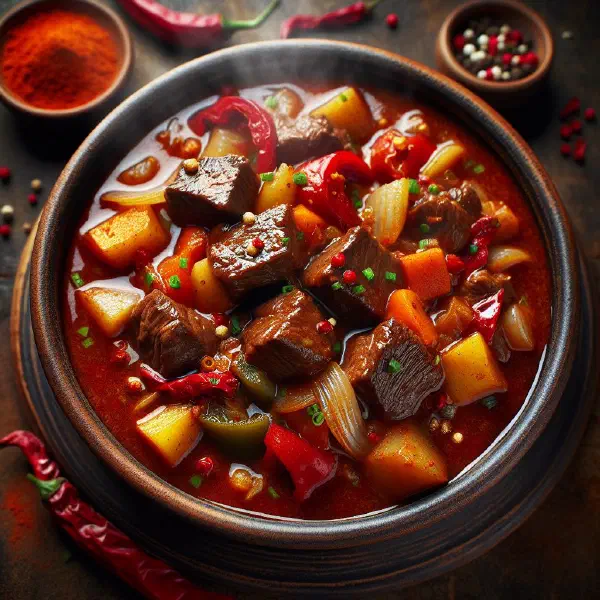
If you’d like to tailor the recipe to your own preferences, extra seasonings such as marjoram or bay leaves can be added. Stirring in red peppers or diced potatoes will also give the goulash a little extra texture and flavour. Feel free to experiment with different ingredients to create your own perfect version, the same spirit of improvisation that gives a simple Gulasch its endless variations.
Ingredient substitutions
A common alternative to beef in Saftgulasch is pork, which also stands up well to long cooking times. If you don’t have sweet paprika to hand, smoked paprika makes a fine substitute and gives the dish an interesting twist. And should you find yourself without beef stock, a homemade vegetable stock will step in nicely.
Drink pairing ideas
A hearty Saftgulasch is superbly matched by a full-bodied red wine such as a Zweigelt or Blaufränkisch. For those who prefer not to drink alcohol, a strong, unsweetened black tea or a lively sparkling mineral water is a good choice. These drinks help to balance out the rich, savoury flavours of the dish.
Serving and presentation ideas
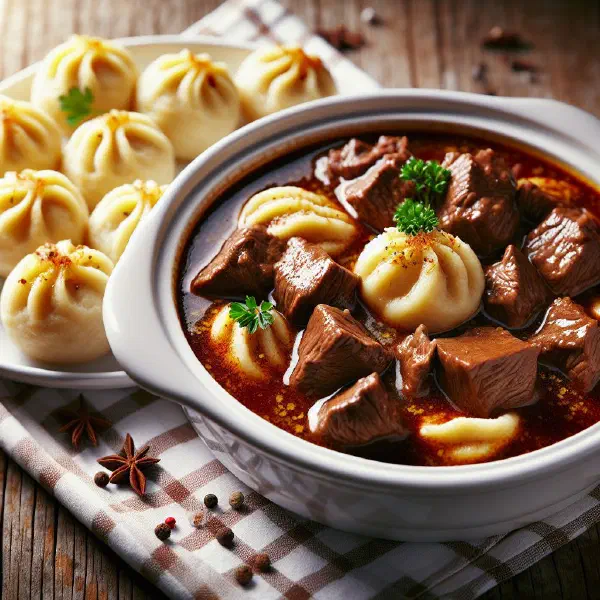
Serve Saftgulasch in a rustic bowl or a deep plate so the generous sauce can really shine. Garnish with a little freshly chopped parsley or a dollop of sour cream to make it look all the more inviting. Some fresh bread or a few Sausage Dumplings on the side round off the presentation perfectly.
A bit of history
Saftgulasch has its roots in Hungary and, over the centuries, grew into a classic in its own right within Austria. Originally prepared by herdsmen out on the plains, the dish evolved over time into a much-loved part of Central European cooking. The generous use of onions and paprika has always been its hallmark and remains typical of the region, a heritage shared with comforting plates like Tafelspitz and other pillars of Austrian cuisine.
More recipe ideas
Summary: Saftgulasch
Saftgulasch is a delicious, hearty dish that wins everyone over with its rich flavours and tender pieces of meat. With carefully chosen ingredients and a slow cooking time, anyone can recreate this traditional Austrian classic at home. The recipe also offers plenty of room for adaptation to suit particular dietary needs and personal tastes. Give it a go and treat yourself to a true taste of Austrian cooking.