National Dish Austria: Upper Austrian Bacon Dumplings (Recipe)
In this article
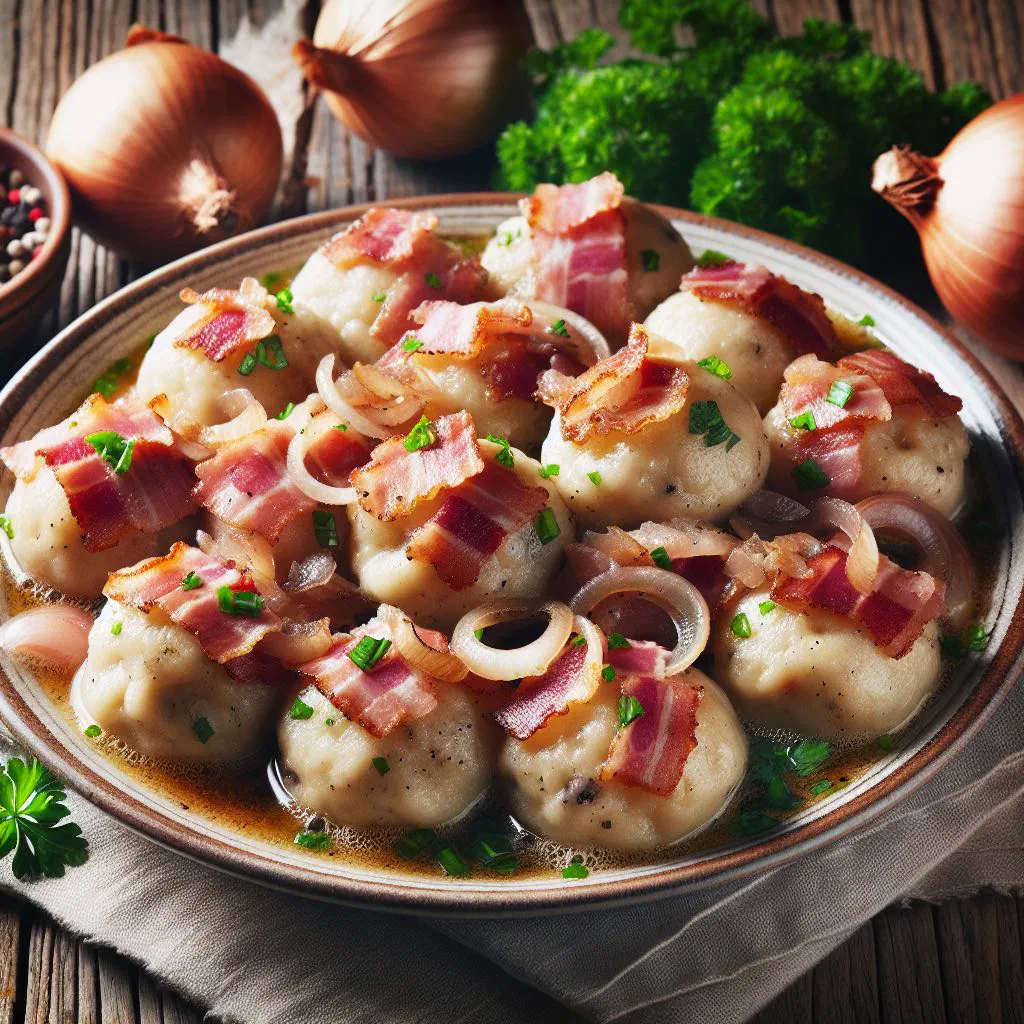
Few dishes capture the warm, rustic heart of Austrian home cooking quite like Upper Austrian bacon dumplings. Built from humble bread cubes, smoky bacon and sweet onions, these hearty little dumplings turn pantry staples into something deeply comforting. Traditionally served with a glossy roast gravy or a crisp green salad, they are a firm favourite at family tables and festive gatherings alike. Bring a generous taste of the Austrian Alps straight to your own kitchen.
About Upper Austrian Bacon Dumplings
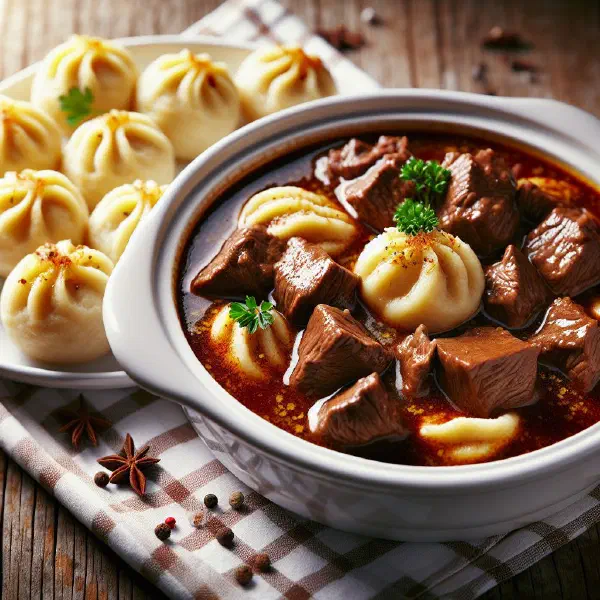
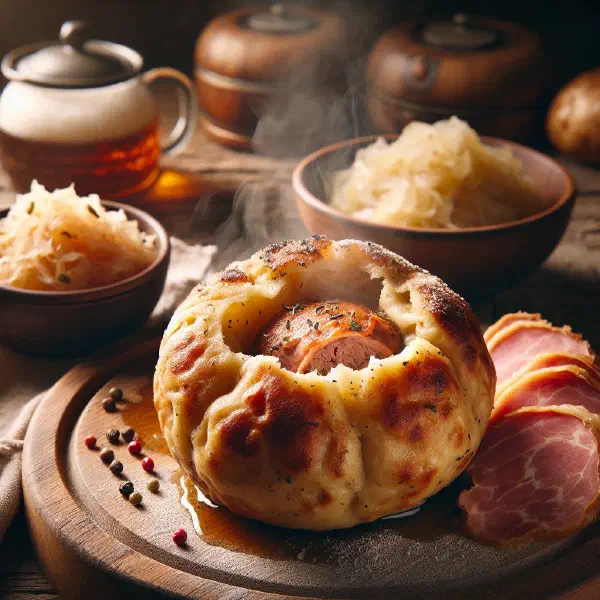
Bacon dumplings are a true traditional dish of the Upper Austrian kitchen. They are made from a savoury blend of bread dumpling cubes, bacon and onions, which come together to create a wonderfully distinctive flavour. Often served with a rich roast gravy or a fresh salad, these dumplings are an ideal choice for family meals or special occasions. Their satisfying, filling nature makes them not only popular but a genuine treat for any food lover.
Ingredients (serves 1–2)
- 200 g bread dumpling cubes (stale white bread)
- 100 g diced bacon
- 1 onion, finely chopped
- 2 eggs
- 200 ml milk
- Salt and pepper, to taste
- Fresh parsley, to garnish
Shopping for the ingredients
To prepare these bacon dumplings, you will want fresh, good-quality ingredients. Pay particular attention to the bread, which is ideally a day old so it has had enough time to dry out. Choose a well-made bacon, as it contributes so much to the characteristic flavour. Fresh onions and parsley round the dish off nicely. Most of what you need can be found in any regular supermarket, much like the staples behind a classic Innviertler Dumplings.
Preparing the dish
Preparing bacon dumplings is straightforward and takes only a few steps. Begin by cutting the bread into cubes (or use ready-made dumpling bread) and setting them aside. Next, fry the bacon and the onions in a pan until they turn golden brown. Add the mixture to the bread cubes and stir everything together well to ensure an even, well-balanced flavour throughout.
Step-by-step instructions
- Place the bread cubes in a bowl and add the fried bacon-and-onion mixture.
- Stir in the eggs and the milk, then season with salt and pepper.
- Mix the mass thoroughly until it is even and well combined.
- With wet hands, shape into dumplings and simmer in lightly salted water for about 15–20 minutes.
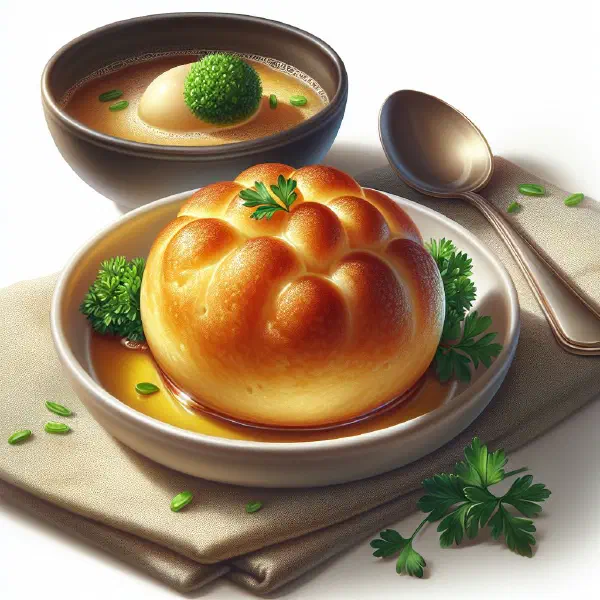
- Once cooked, drain the dumplings briefly and garnish with fresh parsley.
Gluten-free / lactose-free version
For a gluten-free version of these bacon dumplings, simply use gluten-free bread. You can also swap the milk for plant-based alternatives such as almond or soya milk. This adjustment lets people with different dietary needs enjoy the dish without worry. Take care to choose the other ingredients gluten-free too, so the whole recipe stays suitable.
Tips for vegans and vegetarians
For vegans there are plenty of clever alternatives for recreating the classic bacon dumplings. Instead of bacon you can use smoked tofu or smoked seitan, both of which deliver a similar savoury flavour. The eggs can be replaced with flaxseed or chia seeds to achieve a binding consistency. Milk works well swapped for oat milk or another plant-based option, much as it does in a meat-free Sausage Dumplings.
More tips and tricks
A little care with your ingredients can really lift the taste of your bacon dumplings. Try adding spices such as nutmeg or garlic for an extra aromatic note. Experiment with different pans to fry the bacon and onions to perfection. It is also worth making sure the dumplings do not stay too long in the water while cooking, so they keep their tender, delicate texture.
Adapting the recipe to your taste
There are many ways to adapt these bacon dumplings to your personal preference. Try folding in extra vegetables such as carrots or peas to make the dish more colourful and varied. For an especially hearty result, you can also mix some cheese through the dumpling mass. Be creative and find the perfect blend for your palate, the same playful spirit that drives a good Grammel Dumplings.
Ingredient substitutions
If you are missing the main ingredients, there is always an alternative. In place of bacon you can use ham, which suits the dumpling mass just as well. Likewise, instead of milk you might add vegetable stock to give the dumplings a deeper flavour base. Small modifications like these can lead to a surprisingly good result.
Drink pairing ideas
To complement these delicious bacon dumplings, hearty drinks are the way to go. A rustic Austrian beer or a full-bodied red wine pairs perfectly with the dish. A fresh apple cider can also add a fruity note. Match your drinks thoughtfully to the way you prepare your dumplings to create a harmonious tasting experience.
Serving and presentation ideas
The presentation of your bacon dumplings can heighten the whole impression of the dish. Serve the dumplings on a handsome plate and garnish them with fresh parsley or a small side salad. A little roast gravy in a small bowl beside the dumplings makes the whole thing even more inviting. Take care to combine colours and textures attractively, the way a generous plate of Pork Roast commands the table.
A bit of history
The bacon dumplings have a long history in Austrian tradition. Originally created as peasant fare, they are today a beloved part of alpine cooking. The recipe varies from region to region, giving rise to many different versions. The dish reflects the warm, down-to-earth food culture of Austria and is still passed down through countless family recipes, much like the cherished staples of Austrian cuisine.
More recipe ideas
Summary: Upper Austrian Bacon Dumplings
In short, bacon dumplings are a versatile and tasty dish that simply belongs in the Austrian kitchen. They win you over with their savoury combination of bacon and bread, and they are easy to adapt to individual tastes. Whether in their traditional form or with creative variations, this dish offers every food lover an authentic taste experience. Give it a try and bring a little piece of Austria to your plate.