National Dish Austria: Veal Lights with Bread Dumplings (Recipe)
In this article
There is something deeply comforting about a steaming bowl of veal lights simmered in a tangy, full-bodied sauce. This Viennese classic turns humble cuts into a rich, savoury pleasure that warms you from the inside out, especially on a chilly evening. Paired with soft, fluffy bread dumplings to soak up every last drop of sauce, it is hearty home cooking at its most honest. Bring a taste of the Austrian tavern straight to your own table.
About Veal Lights with Bread Dumplings
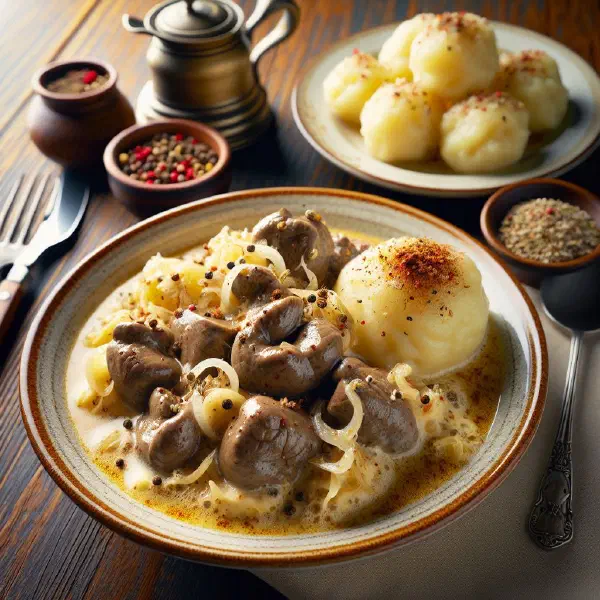
Veal lights is a traditional Austrian dish that you will find both in the country’s cosy taverns and in many family kitchens. It is made mainly from tender veal offal, gently braised in a savoury sauce until meltingly soft. The combination of rich flavour and honest, hearty home cooking has made it a much-loved classic. In the colder months in particular, veal lights brings a welcome sense of warmth and contentment to the dinner table.
Ingredients (serves 1–2)
- 300 g veal lights (veal heart and liver)
- 1 onion
- 1 carrot
- 1 stick of celery
- 2 tablespoons plain flour
- 500 ml beef stock
- 2 tablespoons vinegar
- 2 tablespoons butter
- Salt and pepper, to taste
- Fresh parsley, to garnish
Shopping for the ingredients
For the best veal lights, it is well worth choosing high-quality ingredients. When shopping, look for fresh veal offal, ideally from your local butcher. Many farmers’ markets offer a good selection of meat and fresh vegetables. A good beef stock can either be made from scratch or bought from a health-food shop, where “organic” and “free from additives” are usually the best options.
Preparing the dish
Preparing veal lights is straightforward, though it does reward a little attention to detail. Begin by cleaning the veal lights thoroughly and cutting it into bite-sized pieces. Next, finely dice the vegetables, the onion, carrot and celery. These aromatic ingredients are key to the dish’s full, rounded flavour and lay the groundwork for a smooth, unhurried cook.
Step-by-step instructions
- Heat the butter in a large pan and sweat the onion until translucent.
- Add the diced carrot and celery and fry briefly alongside.
- Add the veal lights to the pan and brown it all over.
- Sprinkle over the flour and stir everything well to combine.
- Pour in the beef stock and the vinegar, bring to the boil, then leave to simmer gently over low heat for about 45 minutes.
- Taste the dish and season to your liking with salt and pepper.
- Serve the veal lights with fluffy bread dumplings and garnish with fresh parsley.
Gluten-free / lactose-free version
This dish is easy to make gluten-free and lactose-free. Instead of wheat flour, you can use rice flour or a gluten-free flour blend to thicken the sauce. For a lactose-free version, swap the butter for a good-quality plant-based oil. Even the beef stock can be replaced with a lactose-free variety, making the recipe accessible to everyone at the table.
Tips for vegans and vegetarians
Veal lights cannot be made directly for vegans and vegetarians, but you can create an alternative version. Instead of veal offal, try puff pastry or seitan with a rich, vegetable-based sauce. These can mimic the textures and aromas of the traditional dish surprisingly well. Add seasoned mushrooms or smoked tofu to build even more depth of flavour, much as you would in a comforting plate of Cheese Spätzle.
More tips and tricks
A few simple tips and tricks can make the dish even tastier. You can add an extra dimension by stirring a splash of red wine or a handful of herbs into the sauce. A pinch of mustard also enriches the sauce’s character beautifully. Let everything simmer gently for a good while so the flavours have time to develop and meld together.
Adapting the recipe to your taste
This recipe is easy to tailor to personal preference. You might add more vegetables to make the dish more varied, or adjust the seasoning to suit your palate, thyme or bay leaves both lend extra aroma. These small tweaks make the dish your own and help ensure it pleases everyone. The same generous, herby approach works wonders in a rich Beef Goulash with Bread Dumplings.
Ingredient substitutions
If you do not have certain ingredients to hand, or simply want to avoid them, there are plenty of alternatives. Onions can be replaced with leek, and if you would rather not use beef, try a vegetable stock instead. A squeeze of lemon juice in place of vinegar adds a fresh note too.
Drink pairing ideas
The right drinks are often just as important as the dish itself. A robust red wine, such as a full-bodied Zweigelt, pairs perfectly with the savoury flavour of the lights. A refreshing beer, ideally a pale lager, is another excellent choice. For an alcohol-free option, a spiced grape juice works wonderfully alongside.
Serving and presentation ideas
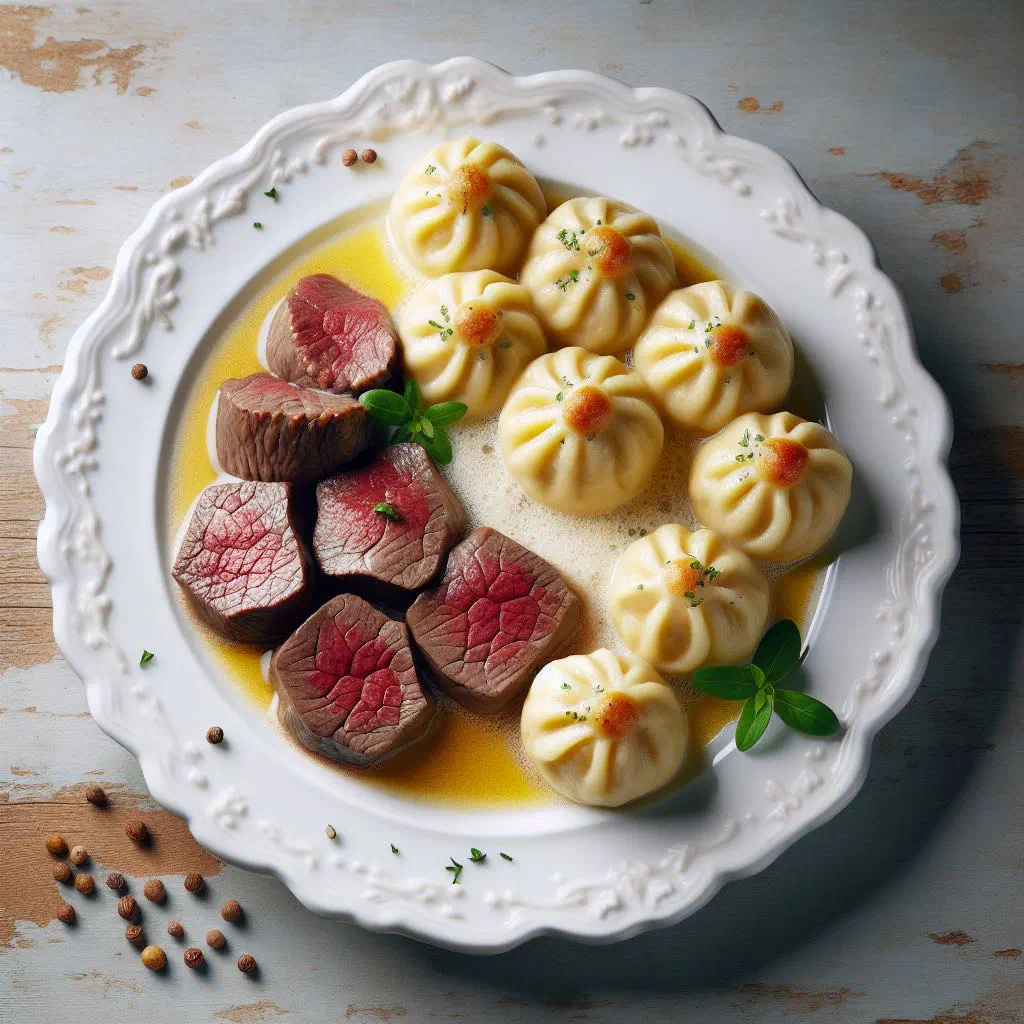
To present veal lights attractively, arrange the dish neatly on a large plate. Garnish with freshly chopped parsley and serve the bread dumplings separately in a small dish. If you care about the finer details, a colourful bed of vegetables around the dish adds extra visual appeal. Remember, we eat with our eyes first.
A bit of history
Veal lights has a long history in Austrian cuisine. It is a dish born of the need to use every part of the animal and waste nothing. Traditionally it was a simple but nourishing meal, often prepared in rural areas. Today it is regarded as a delicacy even in fine dining and holds a firm place on the menus of the country’s best restaurants, sitting comfortably alongside classics like Tafelspitz and Wiener Schnitzel.
More recipe ideas
Summary: Veal Lights with Bread Dumplings
In summary, veal lights is an outstanding example of Austrian tradition. It brings together hearty flavours and a lovingly prepared sauce that appeals to the palate and the soul alike. Whether for a sociable get-together or as a festive main course, this dish has a place in any kitchen. Let this recipe inspire you and cook up a little piece of Austrian culture for yourself.