National Dish Austria: Vienna Sausages (Recipe)
In this article
Few things capture the easy-going charm of Austrian cooking quite like Vienna sausages. With their finely seasoned filling and delicate, snappy skin, these slender links have won fans far beyond their home city. Whether they turn up at a hearty breakfast or alongside a generous supper, they please young and old alike. The best news is that making your own at home calls for just a handful of simple ingredients and a little patience, so let’s walk the path to truly authentic Vienna sausages together.
About Vienna Sausages
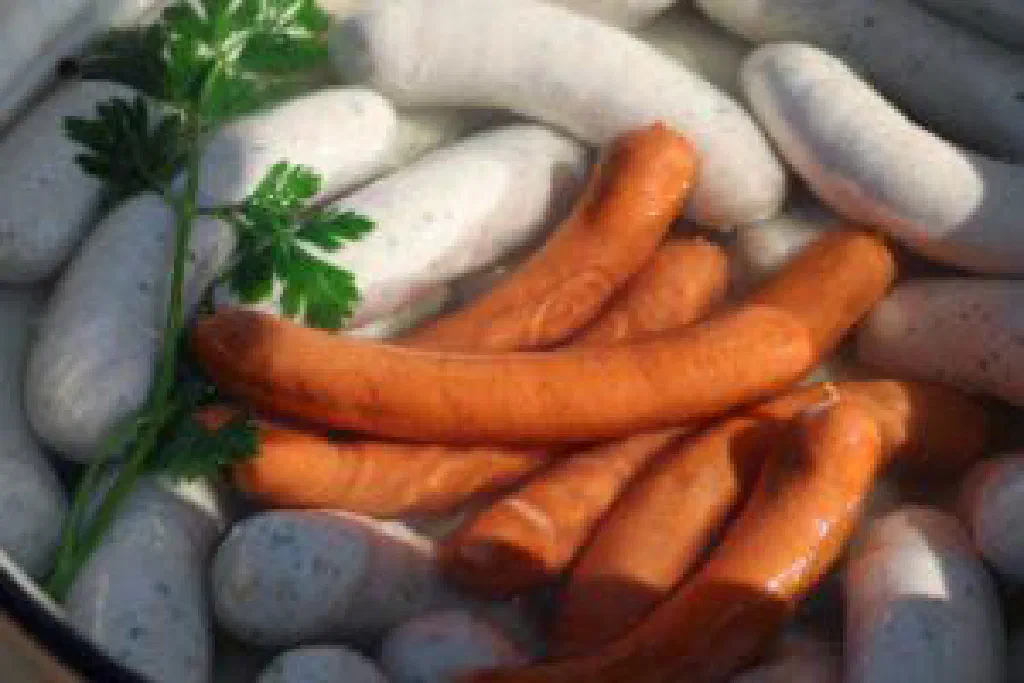
Vienna sausages are a much-loved national dish in Austria and are prized the world over. They are made from finely minced, well-seasoned meat and have a characteristic, tender skin that gives way with a satisfying bite. Equally at home as part of a savoury breakfast or as a side to a hearty evening meal, they are enjoyed by all ages. This recipe shows you how to prepare genuine Vienna sausages in your own kitchen. You need only a few straightforward ingredients and a touch of patience to get there. Like so much of Austrian cuisine, they reward a little care with great results.
Ingredients (serves 1–2)
- 200g veal
- 100g pork
- 1 teaspoon salt
- 1 teaspoon white pepper
- 1/2 teaspoon nutmeg
- 1 clove garlic
- 120ml ice-cold water
- Pork casings, for the sausage skins
Shopping for the ingredients
When shopping, pay close attention to the quality of the veal and pork, fresh meat makes an enormous difference to the finished result, so it is worth buying from a butcher you trust. Just as important are the pork casings you will need for the sausage skins; these should be fresh and thoroughly cleaned. The spices called for here are easy to find in any well-stocked supermarket, but do check that they are fresh so you capture their full aroma.
Preparing the dish
Before you begin, make sure every utensil and ingredient is ready to hand. The meat should be cut into small pieces and the garlic finely chopped, while the pork casings need a thorough rinse and should then be kept in a bowl of cold water. Measure out the spices and set them within easy reach. It also helps to pop the ice-cold water into the freezer until it just starts to ice over, so it stays beautifully chilled throughout the process.
Step-by-step instructions
- Pass the veal and pork through a mincer.
- Place the meat together with the spices and garlic into a food processor.
- Slowly add the ice-cold water and work everything into a smooth, fine paste.
- Fill the prepared pork casings with the mixture and shape into sausages about 15 cm long.
- Poach the sausages in hot water at 75°C for roughly 20 minutes.
Gluten-free / lactose-free version
Vienna sausages are naturally gluten-free and lactose-free, since they contain no ingredients that carry gluten or lactose. The one thing to watch is any additional spice blend or filler, which can sometimes hide these substances. To be completely safe, simply check the labels on your spices and other ingredients before you start. That way you avoid any unwelcome surprises during preparation.
Tips for vegans and vegetarians
For a vegan version, you can replace the meat with a plant-based alternative. There are now high-quality vegan sausage mixes that work very well in this recipe, and seitan is another good choice for achieving a similar texture. Instead of pork casings, reach for a plant- or algae-based casing; these are available in well-stocked health-food shops and make a fine substitute.
More tips and tricks
For especially juicy Vienna sausages, it is vital that the meat stays cold throughout the whole process. This stops the fat from melting and leaking out. So chill the meat and your utensils well before you begin. Another useful tip is to plunge the cooked sausages briefly into iced water once they are done; this helps preserve their tender skin and gives them a lovely, firm consistency.
Adapting the recipe to your taste
This recipe is easy to tailor to your own preferences. If you like things a little spicier, try adding a pinch of paprika or chilli, and feel free to experiment with different spices until you find your perfect blend. For a deeper, more rounded flavour you might fold in some smoked bacon or a scattering of fine herbs. There are no real limits to your imagination, as long as you keep the basic recipe intact.
Ingredient substitutions
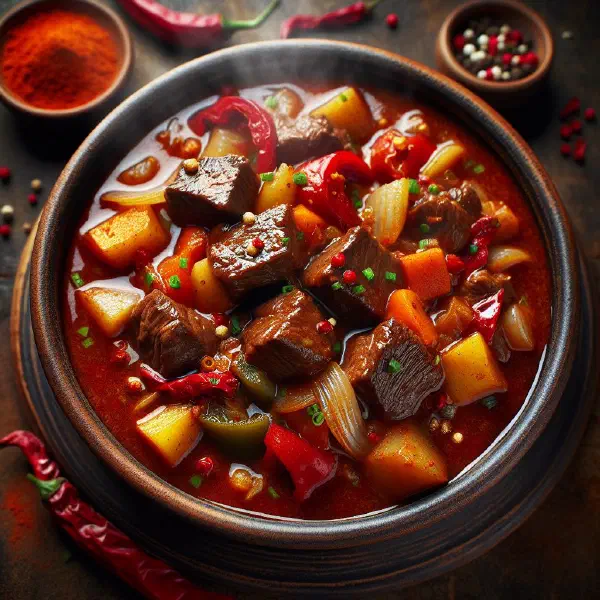
If you cannot get hold of veal, chicken makes a good stand-in and still gives the sausages a fine texture. Likewise, the pork casings can be swapped for lamb or beef casings should they be unavailable. And if you are short of ice-cold water, crushed ice cubes chill the mixture just as effectively and help keep that smooth, even consistency. If you enjoy this kind of hearty meat cookery, you might also like a classic Wiener Schnitzel or a rich Wiener Gulasch.
Drink pairing ideas
A range of drinks pairs beautifully with Vienna sausages. Traditionally a cold beer is served alongside, its crispness complementing the savoury notes wonderfully, while a white wine such as a Riesling can also harmonise very well. For alcohol-free options, a well-chilled malt beer or a refreshing apple spritzer both make pleasant companions and round off the flavour of the sausages perfectly.
Serving and presentation ideas
Vienna sausages can be presented in plenty of appetising ways. Try arranging them on a rustic wooden board with mustard, ketchup and freshly chopped onions, turning the dish into a feast for the eyes as much as the palate. Another idea is to serve them in a bread roll with sauerkraut and pickles, a classic combination that is especially popular with children and ideal for a buffet or picnic. They sit happily next to other Austrian favourites such as a Steirischer Erdaepfelsalat.
A bit of history
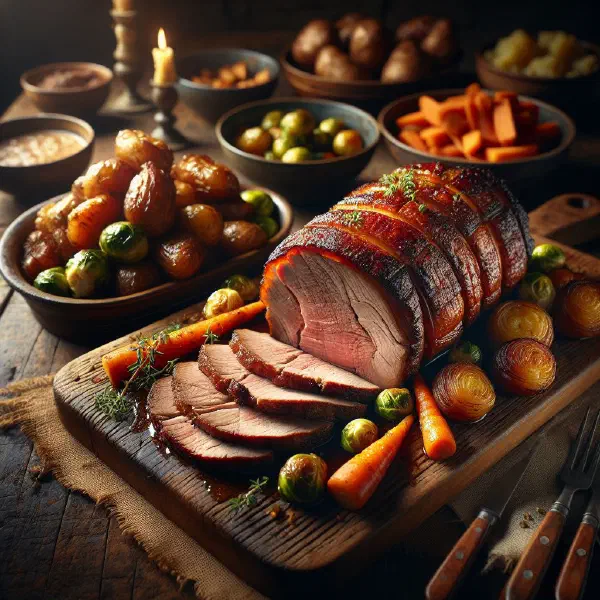
Vienna sausages have a long history and are deeply rooted in Austrian culture. First produced in Vienna during the 19th century, they quickly became an important part of the country’s cooking, traditionally either boiled or fried and often served with mustard and bread. Interestingly, outside Austria they are frequently known as Frankfurters, even though technically they are a slightly different product. Within Vienna itself there are countless variations, each with its own regional character, much like the city’s beloved Tafelspitz or a comforting Schweinsbraten.
More recipe ideas
Summary: Vienna Sausages
Making Vienna sausages is simpler than you might think, and the result is more than worth the effort. With a few basic ingredients and a little care, you can enjoy this traditional Austrian dish in your own home. Experiment with different spices and techniques to discover your own perfect version, and however you choose to serve them, Vienna sausages are always a treat.