National Dish Austria: Viennese Beef Goulash (Recipe)
In this article
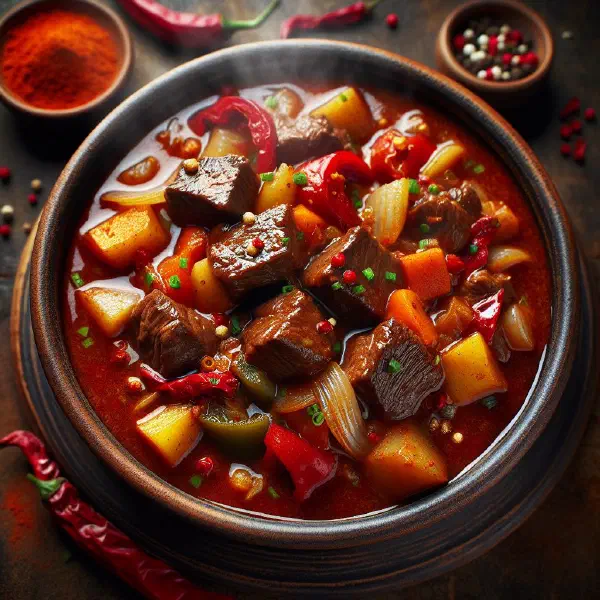
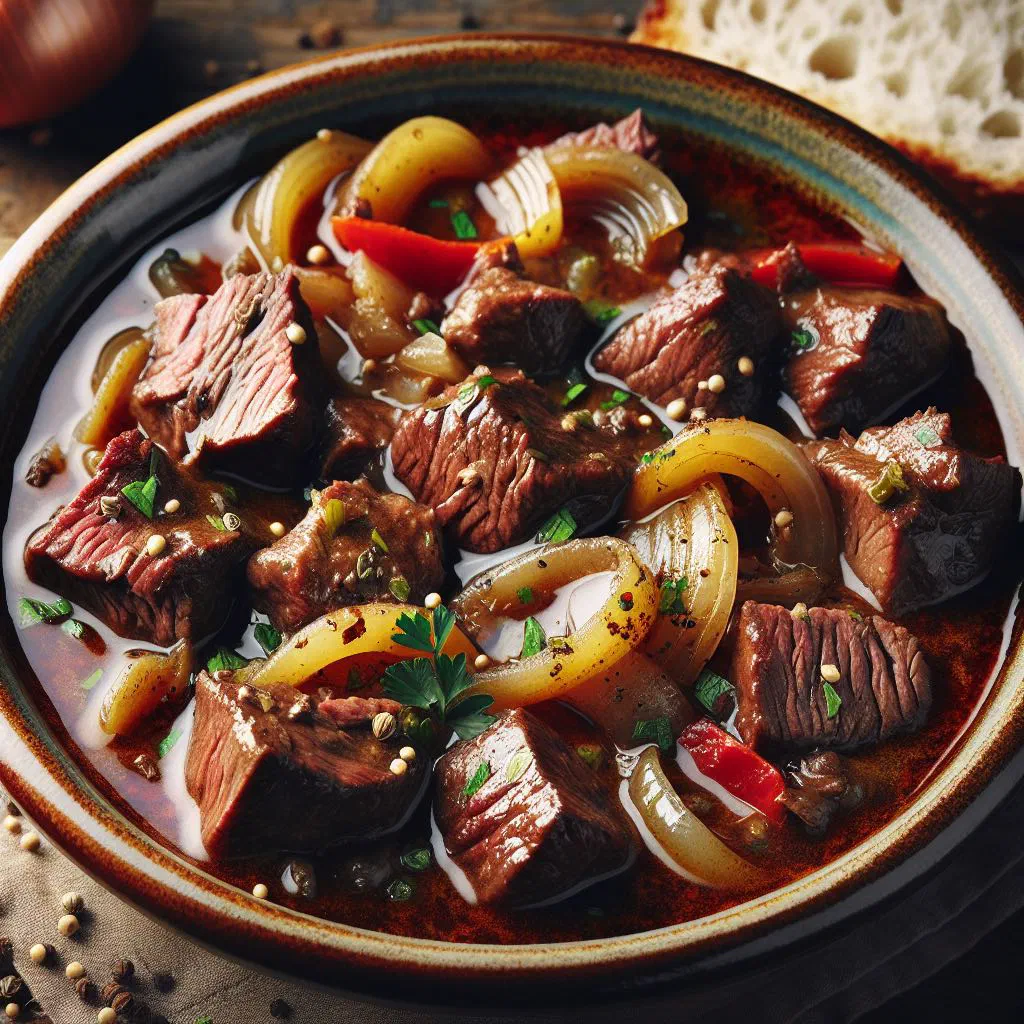
There is nothing quite like a bowl of Viennese beef goulash to chase away the chill of a cold day. This much-loved Austrian classic brings together meltingly tender beef and a deep, glossy sauce singing with sweet paprika. Slow-braised until the meat all but falls apart, it is the kind of hearty, soul-warming food that has graced Viennese tables for generations. Bring a little Austrian tradition into your own kitchen and discover why this dish remains an enduring favourite.
About Viennese Beef Goulash
Viennese beef goulash is a celebrated Austrian national dish that appeals to locals and visitors alike. It is prized for its rich aromas and its wonderfully tender texture. Although goulash originally hails from Hungary, in Vienna it took on an identity all of its own. The dish brings together the best of traditional and modern cooking in the most satisfying way.
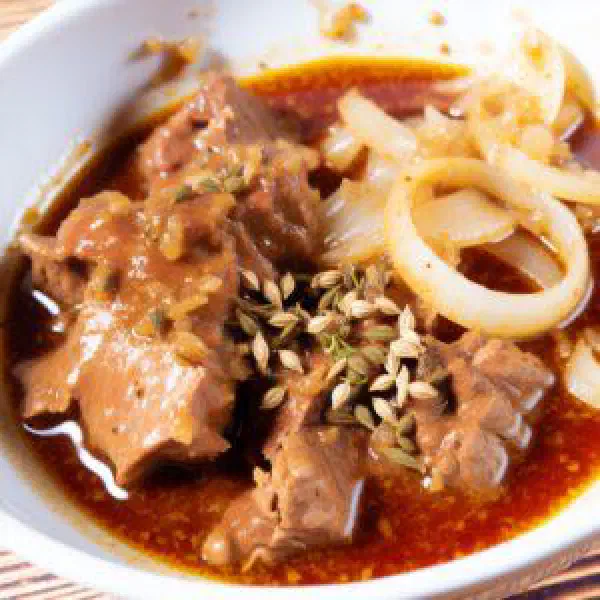
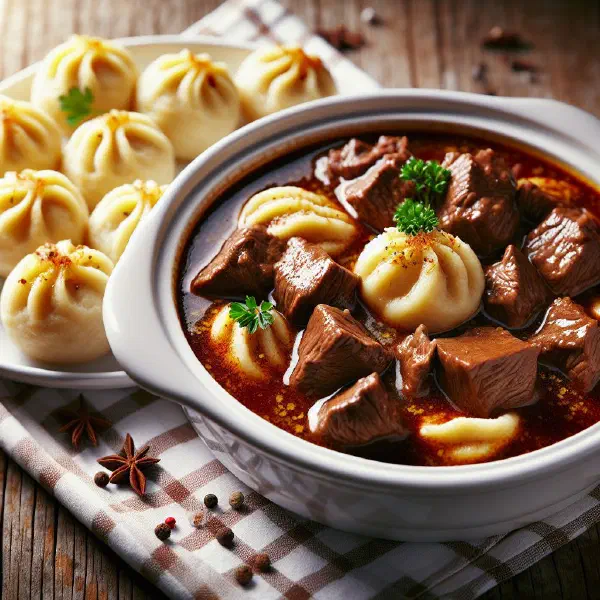
A perfect Viennese beef goulash needs several hours of slow braising to make the meat truly tender. The accompanying sauce is thick and full-bodied, which gives the dish its characteristic depth. It is often served with classic sides such as bread dumplings or buttered noodles. The harmony of the spices and the texture of the beef make it an absolute must of Austrian cuisine.
Ingredients (serves 1–2)
- 300g stewing beef (shin or shoulder)
- 1 large onion
- 2 cloves garlic
- 2 tablespoons paprika
- 2 tablespoons tomato purée
- 500ml beef stock
- 1 pinch marjoram
- 1 pinch caraway seeds
- Salt and pepper to taste
- 1 tablespoon plain flour
- 2 tablespoons vegetable oil
Shopping for the ingredients
When shopping for the ingredients for Viennese beef goulash, it is important to choose fresh, high-quality produce. The stewing beef should ideally come from the shin or shoulder, as these cuts are particularly well suited to long, slow braising. Pick onions and garlic that are firm and free of blemishes. Good-quality paprika and fresh marjoram give the dish its unmistakable flavour.
For the beef stock you can either use a ready-made stock from the supermarket or prepare a fresh batch yourself for an even more intense aroma. Fresh herbs and spices are essential to give the goulash the seasoning it deserves. Take care, too, to choose a good vegetable oil that stands up well to high temperatures.
Preparing the dish
Preparing Viennese beef goulash begins with cutting the meat into even cubes. This ensures it cooks evenly. The onions should also be finely diced so they break down later in the sauce and create a creamy consistency. The garlic should be finely chopped or crushed.
Have the flour ready in a small bowl, as it will be used later to thicken the sauce. The paprika and the other spices should be within easy reach too. Now is the right moment to heat the beef stock, so that it is piping hot the instant you add it to the pan.
Step-by-step instructions
- Heat the vegetable oil in a large pot and fry the onions until golden brown.
- Add the garlic and fry briefly.
- Add the beef to the pot and brown it on all sides.
- Scatter the paprika over the meat and stir well.
- Add the tomato purée and fry briefly.
- Dust everything with flour and keep stirring until it has thickened slightly.
- Pour in the hot beef stock and stir until everything is well combined.
- Season with marjoram, caraway, salt and pepper, then let the goulash braise over low heat for around 2 hours.
Gluten-free / lactose-free version
For a gluten-free version of Viennese beef goulash, you can swap the flour for a gluten-free flour of your choice. Cornflour works brilliantly too for thickening the sauce without altering the flavour. So that anyone with a lactose intolerance can enjoy this dish, simply make sure all the ingredients you use are naturally lactose-free. When buying beef stock, check that it contains no dairy products.
The remaining ingredients, the stewing beef, the onions and the spices, are naturally gluten- and lactose-free, so no adjustments are needed there. The sides can be adapted to suit as well, for instance by serving gluten-free noodles or rice.
Tips for vegans and vegetarians
For a vegan or vegetarian version of Viennese beef goulash, you can reach for tofu or seitan instead of beef. These alternatives should be marinated beforehand and then prepared in just the same way as the meat. The beef stock is easily replaced with a robust vegetable stock, which keeps the dish wonderfully full of flavour.
Instead of ordinary paprika, you might use smoked paprika to achieve a deeper, more rounded taste. Here too, the remaining ingredients such as the onions and garlic should be chosen fresh and of good quality. With the right spices and a proper braising time, you can conjure up a delicious goulash without any meat at all.
More tips and tricks
One key tip for a successful Viennese beef goulash is to braise the meat slowly and for a long time. This makes the beef meltingly tender and allows the flavours to develop fully. Always use fresh spices and good-quality meat to get the best result. Tasting and adjusting the seasoning is just as essential, take the time to season the dish exactly to your liking.
Another tip is to add a small splash of vinegar or lemon juice just before serving. This lends the sauce a pleasant acidity that brings out the flavours even more. Serving it with a side such as bread dumplings or fresh bread also rounds the goulash off beautifully. For a more substantial spread, try it alongside Rindsgulasch with Bread Dumplings.
Adapting the recipe to your taste
Viennese beef goulash adapts wonderfully to personal preference. If you like it a little spicier, add some hot paprika or chilli powder. For a milder version, reduce the paprika and replace it with a sweeter variety. The sides can be varied to taste as well.
Experiment with different vegetables to give the goulash a character of its own. Carrots or peppers, for example, can be braised along with the meat, adding extra sweetness and colour to the dish. Stirring in some mushrooms can open up interesting new flavour notes too. For a juicier, saucier take, you might enjoy the closely related Saftgulasch.
Ingredient substitutions
If you do not have certain ingredients to hand, there are several good alternatives you can use. Instead of stewing beef you could also use pork or turkey, though this will change the flavour slightly. Lamb might make an interesting change too.
If no fresh onions are available, dried onions can be used, although fresh ones should always be preferred. In a pinch, paprika can be replaced with chilli or cayenne powder, though this will increase the heat of the dish. For a vegan version, tofu or seitan can stand in for the animal component.
Drink pairing ideas
A hearty Viennese beef goulash calls for bold drinks that complement its flavours. An Austrian red wine such as a Zweigelt or Blaufränkisch is an excellent choice. These wines have a lovely balance of fruit and tannin that harmonises beautifully with the rich sauce.
For beer lovers, a full-bodied lager or a dark beer is well suited. The malty flavour underlines the depth of the goulash and makes for a wonderful pairing. Alcohol-free companions such as a red grape juice spritzer or a tart grapefruit juice can work nicely too.
Serving and presentation ideas
Presentation can considerably enhance the overall impression of a dish. With Viennese beef goulash it makes sense to serve it in a rustic pot or a braising pan to underline its traditional character. Garnish the finished dish with fresh herbs such as parsley or chives to add colour and freshness.
Sides such as bread dumplings or mashed potato can be arranged in small bowls alongside. A fresh salad on the side brings colour to the table and a pleasant lightness to an otherwise rich meal. Remember to serve the goulash with a ladle, so that every guest gets plenty of the delicious sauce.
A bit of history
Viennese beef goulash has its roots in Hungary, where goulash was a popular dish among herdsmen. Over time it made its way to Vienna, where it was developed into a national dish. It was particularly during the 19th century that it became woven into Viennese cooking and enjoyed a great surge in popularity.
The Austrian version differs above all in its thicker, richer sauce, which comes from thickening it with flour. The spices, too, were adapted to Austrian tastes. In this way a simple herdsman’s meal became a firm fixture of Viennese cuisine, one still held in high regard in homes and restaurants today. It sits proudly alongside other great staples of Austrian cuisine such as the famous breaded escalope.
More recipe ideas
Summary: Viennese Beef Goulash
Viennese beef goulash is a traditional Austrian dish that wins everyone over with its rich aromas and its tender meat. The careful choice and preparation of the ingredients, together with slow braising, are the key to a perfect goulash. It is easy to adapt to different preferences and diets without sacrificing any of its flavour.
Whether for festive occasions or as comfort food on cold days, Viennese beef goulash is always a good choice. With the right drinks and an appealing presentation, it becomes the highlight of any table. Give it a try and discover why this dish has been so beloved for centuries.