National Dish Austria: Wiener Krautfleckerl (Recipe)
In this article
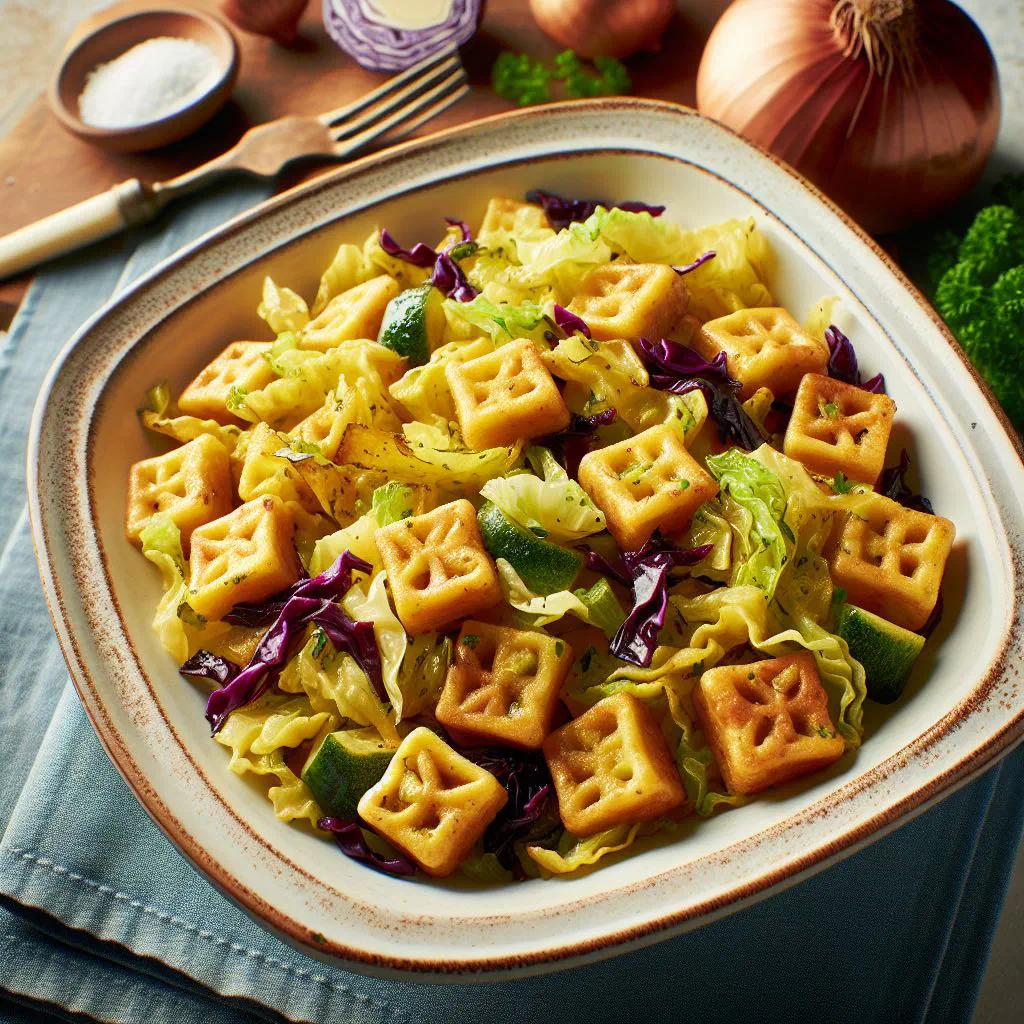
Meet Wiener Krautfleckerl, a humble Viennese classic that turns the simplest of ingredients into a plate of pure comfort. Tender square pasta is folded through slowly caramelised white cabbage, seasoned with a touch of sugar, salt and pepper for that unmistakable sweet-savoury balance. Easy to make and deeply satisfying, this is honest home cooking with the warm, rustic flavour of old Vienna. Bring a taste of Austria straight to your own kitchen.
About Wiener Krautfleckerl
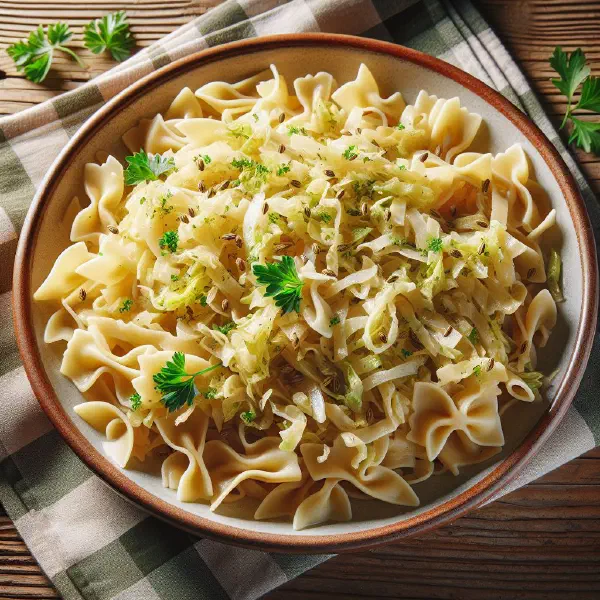
Wiener Krautfleckerl is a traditional Austrian dish that wins people over with its simplicity and its rich, comforting flavour. Especially popular in Vienna, it is made from pasta and white cabbage, rounded out with onions and a few well-judged seasonings. Once a humble peasant meal, Krautfleckerl has grown over the years into a genuine culinary highlight. Join us on a little tour and discover how easy it is to prepare this tasty dish at home, a wonderful introduction to the warmth of Austrian cuisine.
Ingredients (serves 1–2)
- 200 g broad pasta (Fleckerl or alternatives)
- 300 g white cabbage
- 1 large onion
- 2 tablespoons oil or butter
- 1 teaspoon sugar
- Salt and pepper, to taste
- A little caraway (optional)
Shopping for the ingredients
You will find everything you need for Krautfleckerl in any well-stocked supermarket. Look for fresh, firm white cabbage to get the best result. For the pasta, you can use either proper Fleckerl noodles or comparable broad pasta shapes. Choose a large onion, as it brings extra depth of flavour to the dish. Caraway is optional, but many traditional recipes rely on it for its distinctive, gently aromatic note.
Preparing the dish
Before you begin the actual cooking, get all your ingredients ready first. Slice the white cabbage into thin strips and finely chop the onion. Make sure your other ingredients, the oil, butter, salt, pepper and sugar, are all within easy reach. This bit of preparation makes the cooking that follows far smoother and ensures everything comes together without fuss.
Step-by-step instructions
- Cook the pasta in salted water according to the packet instructions until al dente. Drain and set aside.
- Heat the oil or butter in a large pan and add the chopped onion. Sauté over medium heat until translucent.
- Stir in the sugar and let it lightly caramelise before adding the white cabbage.
- Fry the cabbage, stirring regularly, until it is soft and lightly browned.
- Season the cabbage with salt, pepper and, if you like, a little caraway.
- Fold the pre-cooked pasta through the cabbage and heat everything together until evenly warm.
- Take the pan off the heat and serve the Krautfleckerl straight away.
Gluten-free / lactose-free version
For a gluten-free version of Krautfleckerl, simply use gluten-free pasta, now widely available in supermarkets and health-food shops. To make the dish lactose-free, swap the butter for plant-based oil. With these small changes, anyone with a gluten or lactose intolerance can enjoy this traditional dish without missing out on any of the flavour.
Tips for vegans and vegetarians
Krautfleckerl is vegetarian by nature. For a vegan version, just replace the butter with a plant-based oil such as olive or sunflower oil. Do check that the pasta you use contains no animal products. Thanks to these minor tweaks, the dish adapts effortlessly to a plant-based diet without losing any of its delicious character, much like the meat-free comfort of Schupfnudeln Mit Sauerkraut.
More tips and tricks
There are plenty of ways to make Krautfleckerl your own. You could add smoked tofu or vegan bacon for a touch of smokiness. To make the dish even heartier, stir in some chopped mushrooms or vegetarian sausages. These additions make the meal richer and more filling, perfect for when you want something extra substantial on the plate.
Adapting the recipe to your taste
The Krautfleckerl recipe is easy to tailor to your own preferences. If you like things spicier, lift it with a pinch of chilli powder. For a more intense, savoury edge, add a clove of garlic. You can even play with different spices and herbs, paprika or coriander, for example, to discover fresh new flavour nuances each time you make it.
Ingredient substitutions
If you cannot find Fleckerl pasta, you can happily use other broad pasta shapes such as farfalle or pappardelle. In place of white cabbage, try savoy cabbage or red cabbage, the latter lending a slightly sweeter note. The seasonings are open to experiment too. Try a little nutmeg for a warming touch or a splash of balsamic vinegar for gentle acidity. For a heartier cabbage dish, the apple-laced Rotkraut Mit Aepfeln makes a lovely companion idea.
Drink pairing ideas
A light white wine such as a Grüner Veltliner or a Riesling, both proudly Austrian, pairs beautifully with Krautfleckerl. A beer from an Austrian brewery also complements the hearty flavours nicely. For an alcohol-free alternative, sparkling water or a lightly sweet apple juice both harmonise well with the savoury notes of the cabbage.
Serving and presentation ideas
Although Krautfleckerl is a fairly rustic dish, you can still present it attractively. Serve it on white plates and garnish with fresh herbs such as parsley or chives. A small side salad adds extra freshness and colour to the plate, so the meal becomes a highlight not just in taste but to the eye as well.
A bit of history
Krautfleckerl has its roots in the rural cooking of Austria. Originally known as a peasant dish, it was made from simple, inexpensive ingredients. Over time, thanks to its lovely flavour and easy preparation, it became a much-loved part of Austrian cuisine. In Vienna especially it is a firm fixture in many households and is often served on feast days, sitting comfortably alongside hearty classics like Wiener Gulasch.
More recipe ideas
Summary: Wiener Krautfleckerl
Wiener Krautfleckerl is an easy, deeply flavourful dish rooted firmly in Austrian tradition. With just a handful of readily available ingredients, you can put it together in no time at all. Its many possible variations make it ideal for different diets and tastes alike. Give this authentic recipe a try and enjoy a little piece of Austria at home.