National Dish Azerbaijan: Sumakh Pilaf (Recipe)
In this article
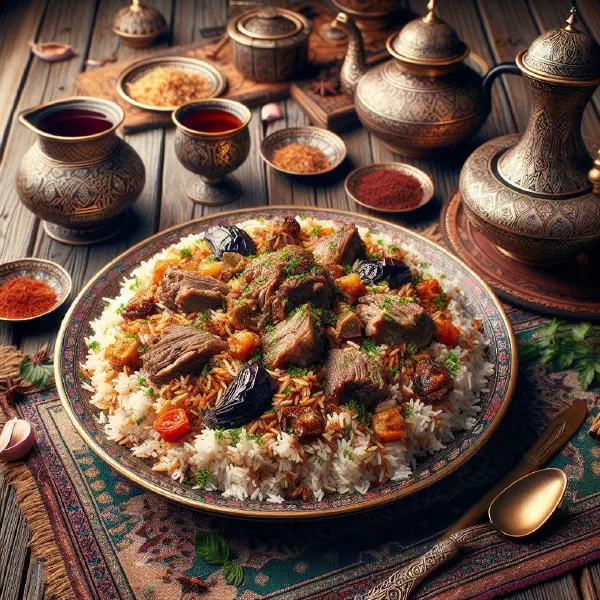
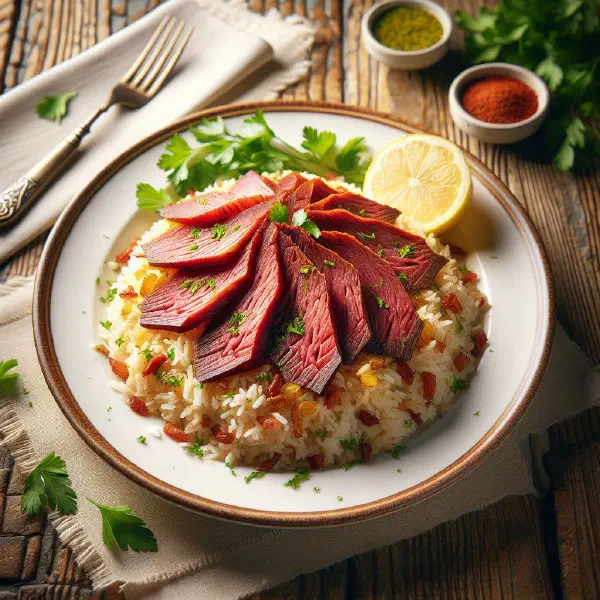
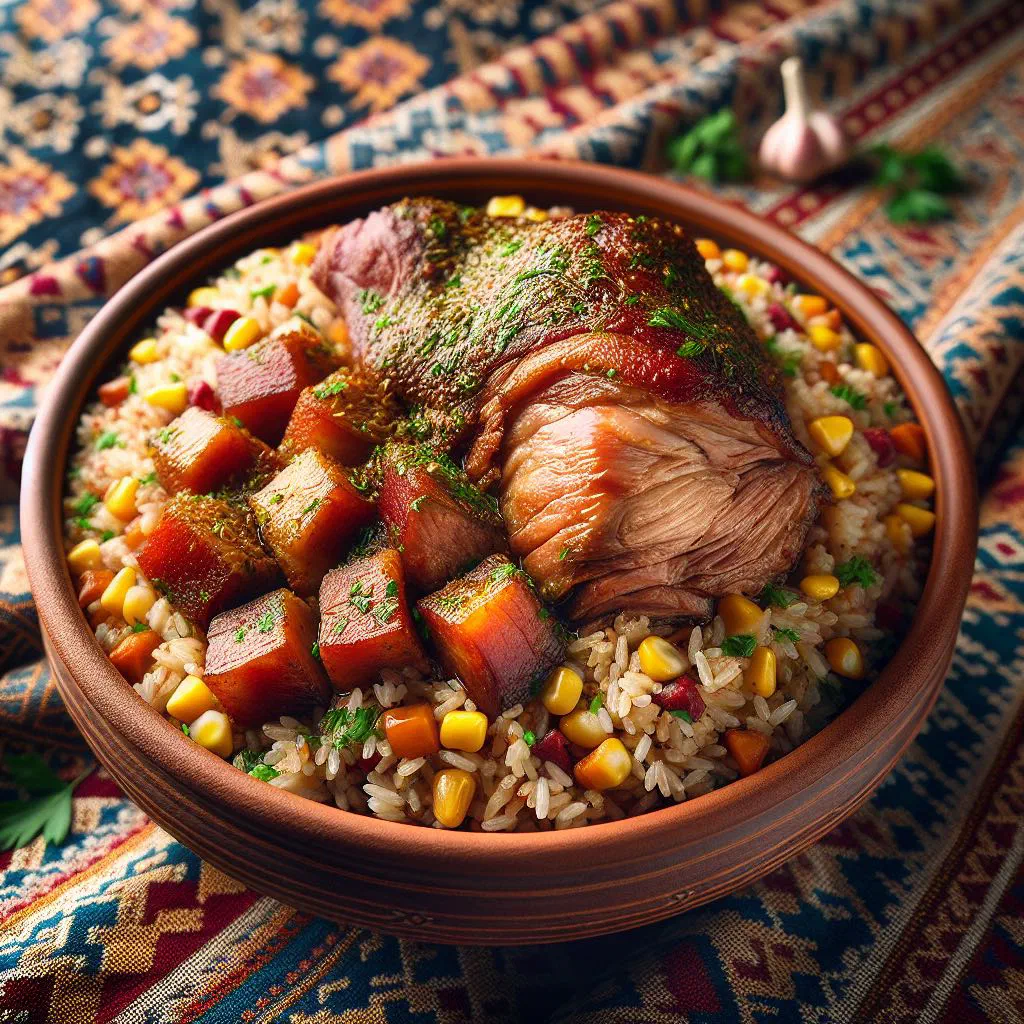
Meet Sumakh Pilaf, a fragrant rice dish that sums up everything generous about the Azerbaijani table. Fluffy long-grain rice, tender meat and sweet grated carrot come together under a scattering of sumac, the deep-red spice that lends the whole plate a bright, lemony lift. It is a dish for celebrations, but it is easy enough for an ordinary evening, and it looks every bit as good as it tastes.
About Sumakh Pilaf
Sumakh Pilaf is a traditional dish from Azerbaijan that embodies the country’s rich gastronomic culture. This delicious combination of aromatic rice, tender meat and crisp vegetables is finished with the distinctive spice sumac, which gives the dish a refreshing, tangy edge. Let the aromas and variety of the region’s cooking work their magic on you.
Ingredients (serves 1–2)
- 200 g long-grain rice
- 150 g lamb or beef, cut into small pieces
- 1 large onion, finely chopped
- 2 tablespoons sumac
- 1 teaspoon salt
- 1 teaspoon black pepper
- 2 tablespoons vegetable oil
- 500 ml water or stock
- 1 carrot, grated
- Fresh herbs (parsley or coriander), to garnish
Shopping for the ingredients
Fresh, good-quality ingredients make all the difference to the flavour of Sumakh Pilaf. When buying the meat, look for a decent cut so the finished dish stays tender and juicy. Sumac is the key spice here and is stocked by well-supplied grocers and Turkish or Middle Eastern supermarkets. Do not forget to pick up fresh herbs. They are what give the plate its final flourish.
Preparing the dish
The groundwork is simple and takes only a few basic steps. Start by rinsing the rice to wash away excess starch, which is the secret to a fluffy result. Cut the meat into small pieces and chop the onion finely so everything cooks in the same time. The vegetables, such as the carrot, should be grated and ready to go before you start, which makes the cooking itself far more relaxed.
Step-by-step instructions
- Heat the vegetable oil in a large pan and add the chopped onion. Fry until golden brown.
- Add the meat and sear it for a few minutes until browned on all sides.
- Scatter over the carrot and the salt, then stir everything together well.
- Add the rinsed rice and stir gently so it mingles with the other ingredients.
- Pour in the water or stock and bring to the boil. Cover with a lid and turn the heat down low.
- Let the pilaf simmer for about 20 minutes, until the rice has absorbed all the liquid.
- Just before serving, add the sumac and the fresh herbs.
Gluten-free / lactose-free version
The recipe for Sumakh Pilaf is naturally gluten-free and lactose-free. Do check, however, that the stock you use is also free from gluten. Plenty of brands offer gluten-free stocks that suit this dish perfectly. The pilaf loses none of its flavour, and every guest at the table can tuck in without a second thought.
Tips for vegans and vegetarians
For a vegan or vegetarian version of Sumakh Pilaf, swap the meat for vegetables or plant-based protein such as tofu or chickpeas. Use vegetable stock in place of meat stock to keep the flavour full and rounded. Add plenty of vegetables so the texture stays varied and the dish becomes even more nourishing. With those adjustments the pilaf is a delicious, filling meal for absolutely everyone.
More tips and tricks
To make Sumakh Pilaf even better, try adding earthy spices such as cumin or coriander. A squeeze of lemon juice just before serving brings extra freshness to the plate. Cooking the rice in stock rather than water intensifies the flavour considerably and makes the dish richer. Experiment with different vegetables too, in the same spirit as a hearty Sulu Khingal, to discover new tastes and add your own signature.
Adapting the recipe to your taste
The great thing about Sumakh Pilaf is its versatility. Adjust the spices to suit you, perhaps you like things hotter? Add chilli or cayenne pepper. If you are fond of dried fruit or nuts, a few sultanas or toasted almonds bring extra texture and sweetness, much as they do in a sweeter Shirin Plov. Experimenting is not only allowed here, it is positively encouraged.
Ingredient substitutions
If you are not keen on onions, shallots or leeks give a milder note. Other rice varieties such as basmati or jasmine work well too and change the character of the pilaf. Instead of lamb or beef you can use chicken, as in a classic Toyuq Plov, or a plant-based alternative. Changes like these let you shape the dish around your own taste.
Drink pairing ideas
For a well-rounded meal, yoghurt drinks such as ayran make a refreshing partner to Sumakh Pilaf. A light white wine like a Sauvignon Blanc also harmonises nicely with the flavours of the dish. If you prefer something alcohol-free, a fruity grape juice or a savoury vegetable juice can be exactly right. Either way, the drink rounds off the meal beautifully.
Serving and presentation ideas
Presentation plays an important part in making Sumakh Pilaf as appealing as it deserves to be. Serve the rice in a large shared bowl and decorate it with fresh herbs and toasted nuts for a colourful effect. A squeeze of lemon juice over the surface adds not only flavour but a lovely sheen. Portion it thoughtfully so every guest gets an inviting plateful, perhaps with a few skewers of Shashlik on the side.
A bit of history
Sumakh Pilaf is a piece of Azerbaijani cultural history. The region has a long tradition of rice cookery stretching back to antiquity. Sumac, known for its sour note, has been used in kitchens here for centuries and holds a special place in Azerbaijani cuisine. This pilaf is an outstanding example of the culture and traditions that come alive through food.
More recipe ideas
Summary: Sumakh Pilaf
In short, Sumakh Pilaf is a fascinating and flavourful dish that reflects the aromas and traditions of Azerbaijan. With its combination of savoury meat, aromatic spices and fresh vegetables, it enriches any meal.