National Dish Bahamas: Cassava Bread (Recipe)
In this article
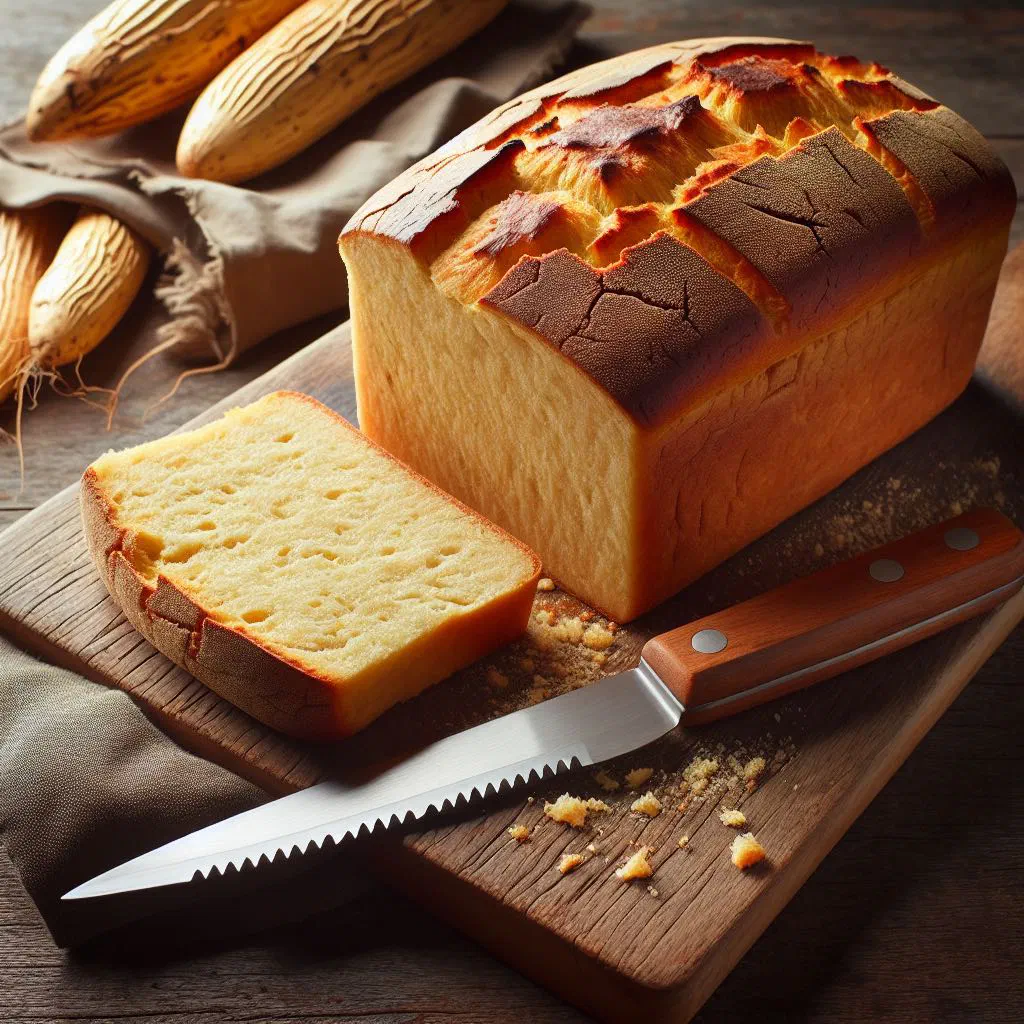
Meet Cassava Bread, a humble Bahamian classic whose story reaches far beyond the islands themselves. Made from the nutritious cassava root, it has a distinctive texture and a gentle, subtly sweet flavour that makes it a favourite as a snack or a side. Naturally gluten-free and wonderfully versatile, this bread carries centuries of Caribbean tradition in every bite, and it is far easier to make at home than you might think.
About Cassava Bread
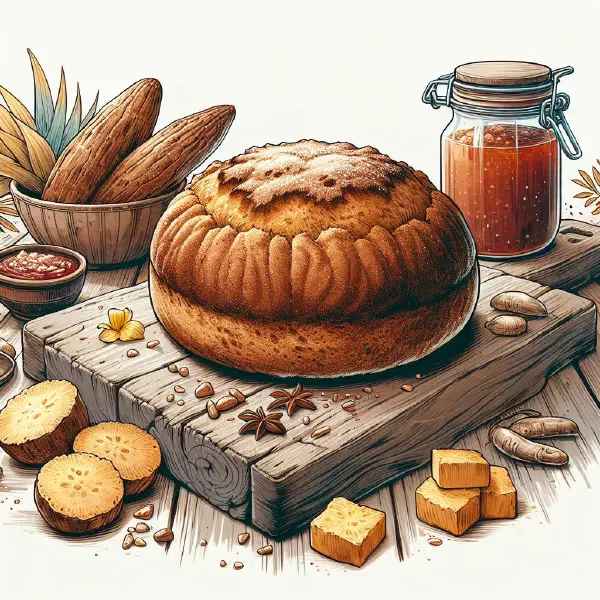
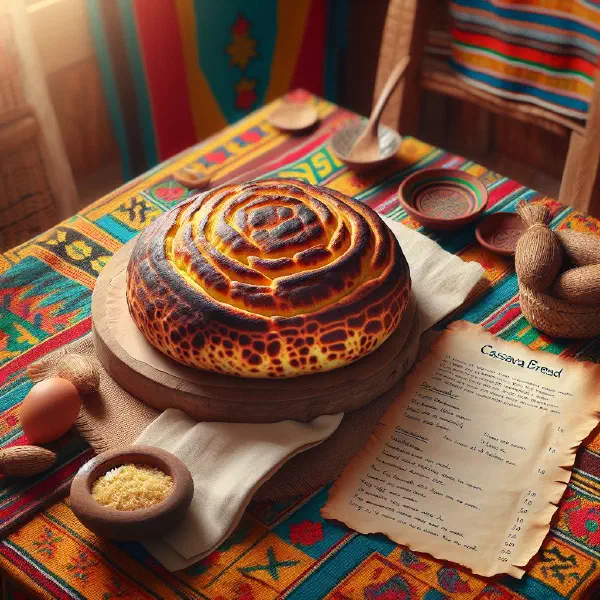
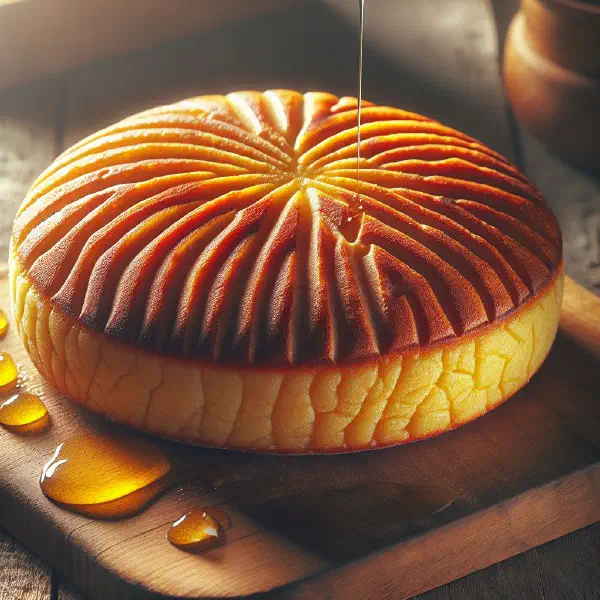
Cassava Bread is a traditional dish of the Bahamas that is well known across the Caribbean and beyond. It is made from the nutrient-rich cassava root, prized for its health benefits and its versatility in the kitchen. The bread has a unique consistency and a lightly sweet taste, which makes it a popular side dish or snacking option. In Bahamian culture, cassava bread also holds a special place at festivities and family gatherings, tying good food to good company.
Ingredients (serves 1–2)
- 2 cups cassava flour
- 1 cup water
- 1/2 teaspoon salt
- 2 tablespoons coconut oil
- Optional: 1 tablespoon sugar for extra sweetness
Shopping for the ingredients
The ingredients for cassava bread are available in most well-stocked supermarkets, as well as in Asian and Caribbean grocery shops. Cassava flour is often found in specialist aisles. If you want to make the bread even more authentic, you can buy fresh coconuts and press the oil yourself. When shopping, pay attention to the quality of the cassava flour, as it has a big influence on the flavour of the finished loaf.
Preparing the dish
First of all, the cassava flour should be mixed thoroughly with the salt. This is essential to ensure the flavours are evenly distributed. The water should be lukewarm, so it hydrates the flour better and produces a smoother dough. If you are using sugar, add it during mixing to achieve an even sweetness throughout the bread.
Step-by-step instructions
- In a bowl, combine the cassava flour with the salt.
- Add the lukewarm water and the coconut oil, then stir well until a smooth, homogeneous dough forms.
- Let the dough rest for about 10 minutes so the ingredients can settle.
- Heat a frying pan over medium heat and add the dough in small portions.
- Cook the bread for roughly 3–4 minutes on each side, until golden brown.
Gluten-free / lactose-free version
One of the great features of cassava bread is that it is naturally gluten-free. This makes it an excellent option for people with a gluten intolerance or coeliac disease. It is also ideal for anyone who is lactose intolerant, as no dairy products are used. Simply keep to the coconut oil in the recipe so the dish meets vegan requirements too.
Tips for vegans and vegetarians
Cassava bread is gluten-free and vegan-friendly, provided no animal fat is used. By relying on coconut oil as your fat source, you stay in keeping with a plant-based diet. You can also add various herbs or spices to vary the flavour of the bread. Try rosemary or thyme, for example, to deepen the aroma.
More tips and tricks
To make your cassava bread even more varied, experiment with layered fillings. Whether with sausage, cheese or even mixed vegetables, there are no limits to your creativity. After baking, let the bread cool on a wire rack so the underside does not turn soft. You might also try different cooking methods, in the oven or on the grill, to bring out the bread’s unique flavour, much as you would when preparing a warm Johnny Cake.
Adapting the recipe to your taste
Cassava bread is easy to shape around your own preferences. Keep it simple and rustic, or fold in extra flavourings for something a little richer. A touch more sugar leans it towards a sweeter treat, while a pinch of savoury spice sends it in the opposite direction. This flexibility means you can create a loaf that fits your own taste exactly, and it sits happily alongside other staples of Bahamian cuisine.
Ingredient substitutions
If you cannot get hold of cassava root or cassava flour, there are a few alternatives worth trying. Rice flour or potato flour can also provide an interesting base for the bread, although this will change the traditional flavour slightly. Instead of coconut oil, you could use olive oil, though this may affect the characteristic taste of the cassava bread. Be ready to experiment a little to find the best combination for your palate.
Drink pairing ideas
Refreshing drinks go wonderfully with cassava bread. A classic Caribbean rum cocktail or a simple mint lemonade complements the aroma of the bread beautifully. For an alcohol-free option, you can also serve fruit juices such as pineapple or mango, or reach for a chilled Tropical Fruit Punch. These drinks help guarantee an authentic Caribbean experience.
Serving and presentation ideas
When you serve cassava bread, think about an appealing presentation. Lay the bread on a lovely wooden board and garnish it with fresh herbs such as coriander or parsley. Serve it alongside colourful dips or salsas to bring bright touches to the table. That way the bread becomes a highlight of your meal not just in flavour but visually too.
A bit of history
Cassava bread has a long history in Caribbean cooking, tracing back to the indigenous people of the Bahamas. They used the cassava root as a main food source, and the method for making the bread has been passed down for centuries. Today it is a staple food and a symbol of the cultural identity of the Bahamian islands. It is often served at festivals and celebrations, providing a deeper connection to the community and the traditions of the Bahamas.
More recipe ideas
Summary: Cassava Bread
Cassava bread is a piece of Caribbean culture. With its delicious flavour and its many preparation possibilities, it can be enjoyed on any occasion. Whether as a snack, a side dish or a main course, cassava bread will pleasure you and your guests alike. Give it a try and bring a little Caribbean flair straight into your own kitchen.