National Dish Bahrain: Mandi (Recipe)
In this article
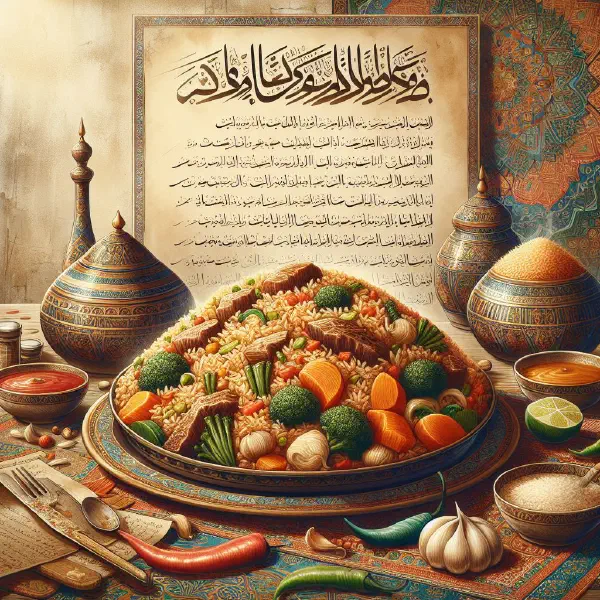
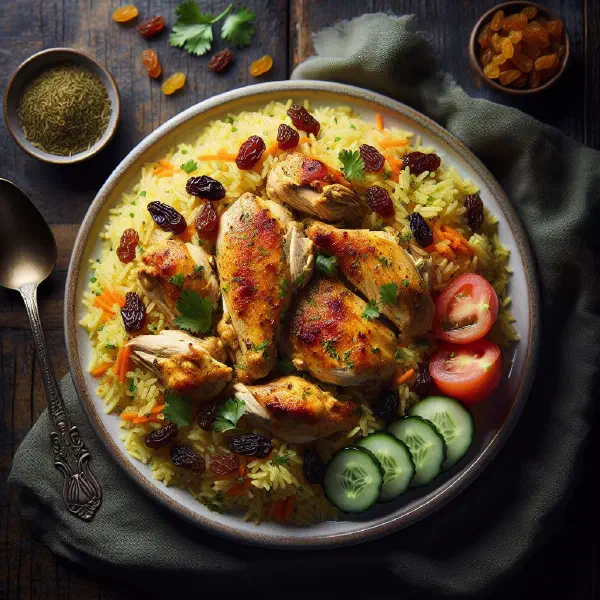
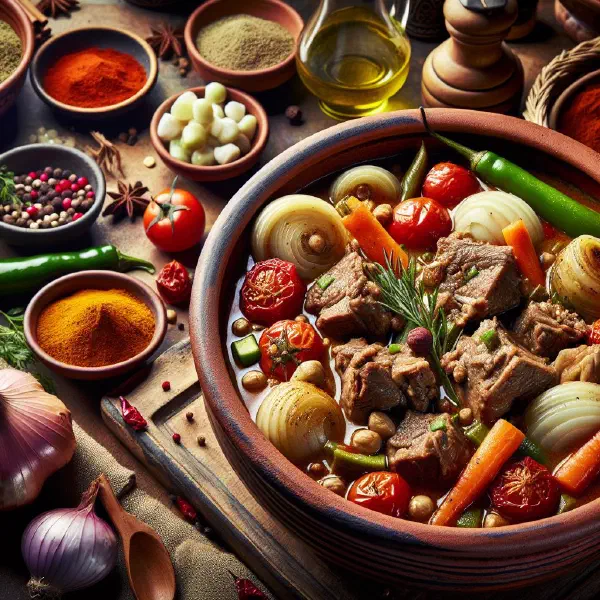
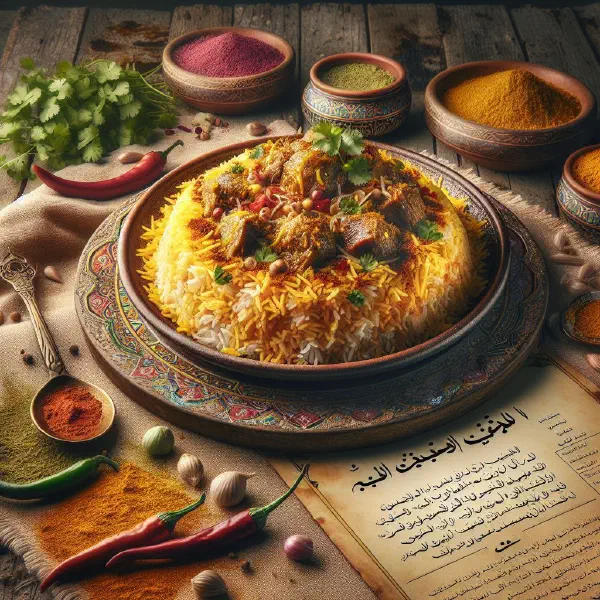
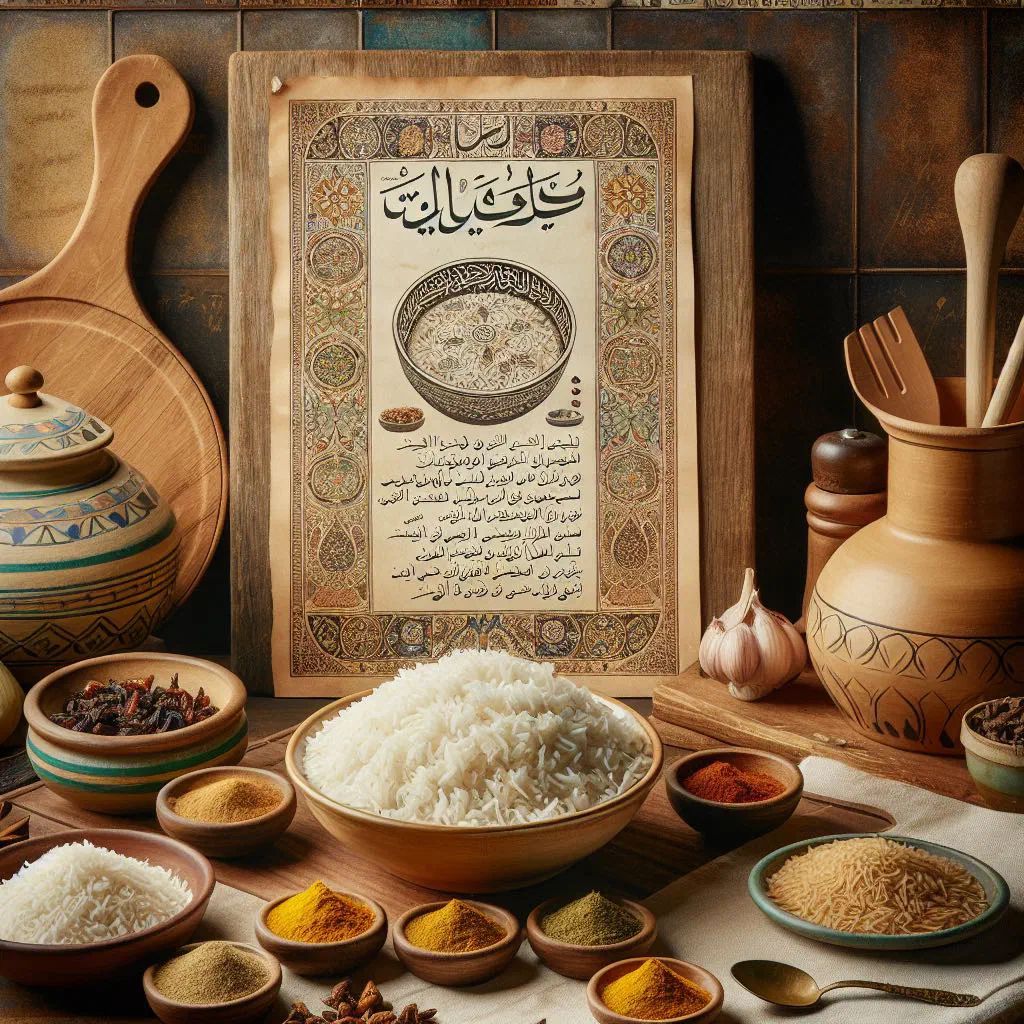
Discover Mandi, a fragrant rice dish that has won a special place at the Bahraini table. Tender meat is slow-cooked with warming spices and served over aromatic basmati rice, creating a centrepiece that feels made for celebration. This dish brings the rich flavours of the Arabian Peninsula straight into your kitchen.
About Mandi
Mandi is a traditional dish that originated in Yemen and enjoys enormous popularity in Bahrain. It brings together tender meat, usually lamb or chicken, with a whole medley of fragrant spices and aromatic rice. This combination makes for an unmistakable eating experience that appeals to locals and visitors alike. Mandi is traditionally served on festive occasions, yet it is an equally excellent choice for a cosy family meal, and it sits proudly among the classics of Bahraini cuisine.
Ingredients (serves 1–2)
- 200g basmati rice
- 300g lamb or chicken
- 2 onions
- 4 cloves of garlic
- 2 tomatoes
- 1 teaspoon mandi spice blend
- 500ml water
- Salt and pepper, to taste
- 2 tablespoons ghee or oil
Shopping for the ingredients
The basmati rice should be long-grained and fragrant, while the meat wants to be tender and juicy. Many supermarkets and grocery shops stock a broad range of spices, including the special mandi spice blend that gives the dish its distinctive character. Be sure to pick up fresh onions and garlic too, so the full depth of flavour has a chance to come through.
Preparing the dish
Before you begin cooking Mandi, it pays to get all your ingredients ready. Chop the onions and tomatoes small and crush the garlic cloves. The rice should be washed thoroughly and soaked for at least 30 minutes to release some of its starch. This helps the rice cook up fluffier and less sticky, which is essential for a perfect mandi.
Step-by-step instructions
- Heat the ghee or oil in a large pot and fry the onions until translucent.
- Add the meat and brown it on all sides until golden.
- Stir in the garlic and tomatoes and cook briefly.
- Add the mandi spice blend and mix well.
- Pour in the water and bring to the boil. Simmer the meat over low heat for 1–1.5 hours.
- Drain the rice and add it to the meat.
- Add more water so the rice is fully covered, then cook for around 20 minutes.
- Take the pot off the heat and let the rice rest for 10 minutes before serving.
Gluten-free / lactose-free version
The recipe for Mandi is already naturally gluten-free and lactose-free. You can swap the ghee for a plant-based oil according to preference. Just take care that the spices you use are certified gluten-free as well.
Tips for vegans and vegetarians
For a vegan or vegetarian version of Mandi, simply replace the meat with vegetables such as carrots, courgettes and chickpeas. Cut the vegetables into evenly sized pieces so they cook uniformly. Vegetable stock also makes an excellent stand-in for meat broth and helps intensify the flavour. These adjustments ensure the dish is just as tasty in its plant-based form, and it pairs beautifully with a bowl of Creamy Hummus.
More tips and tricks
There are many ways to tailor Mandi to your own taste. Experiment with different cuts of meat or vary the spices to shift the flavour. Fresh herbs such as coriander or mint can be scattered over just before serving to lend the dish a bright note. The meal tastes even better served with yoghurt and warm flatbread, or alongside a plate of Falafel.
Adapting the recipe to your taste
Adjust the spices in your Mandi to suit your palate. If you like it hotter, add a little chilli; alternatively, hold back on the spice blend for a milder result. The side dishes can be varied too, serve the rice with a fresh salad or a selection of dips. This way your mandi becomes a truly personal eating experience.
Ingredient substitutions
If you cannot find a ready-made mandi spice blend, you can make your own from cumin, cinnamon, coriander and cardamom. Different varieties of rice can be used as well, depending on preference and availability. For a creative twist, try adding dried fruit such as apricots or raisins to the pot with the rice for a subtle sweetness, the same trick that lifts a plate of Saffron Rice. These alternative ingredients open the door to fascinating new flavour combinations.
Drink pairing ideas
A traditional drink that pairs wonderfully with Mandi is minted Arabic tea. Its refreshing note harmonises perfectly with the spiced rice dish and makes for a pleasant contrast. Fresh fruit juices, such as pomegranate or lime, are another lovely accompaniment. A cup of Cardamom Tea rounds off the meal beautifully and brings extra freshness to the table.
Serving and presentation ideas
A carefully arranged plate adds a great deal to the overall experience. Serve Mandi on a large platter and garnish generously with fresh herbs or toasted nuts. An extra spoonful of yoghurt or a bowl of spicy sauce on the table should not be missed either. Little touches like these create a festive atmosphere and make your dish all the more appetising.
A bit of history
Mandi has a history that reaches back to the 9th century and spread from the Arabian Peninsula through to Yemen. It was originally a dish of the nomads, popular because of its simple preparation and its hard-wearing ingredients. Over time each region developed its own method and spice mix, giving rise to the many variations of mandi we know today. This heritage makes the dish all the more authentic and especially fitting for special occasions.
More recipe ideas
Summary: Mandi
In short, Mandi is an experience that appeals to all the senses. The perfect interplay of aromas and textures makes it a much-loved highlight in Bahrain. Whether for special occasions or in convivial company, this dish wins hearts through both its flavour and its tradition. Give it a go and let the culture of Bahrain work its magic on you.