National Dish Bangladesh: Bhapa Pitha (Recipe)
In this article
Discover Bhapa Pitha, one of Bangladesh’s most cherished winter treats. These delicate, steamed rice cakes are soft, pillowy and endlessly comforting, and they turn up at family gatherings and festivals across the country when the cold weather sets in. Sweet or savoury, filled with coconut and jaggery or with spiced vegetables, they carry a gentle warmth and a fragrance all their own. Bring a taste of a Bangladeshi winter kitchen straight to your own table.
About Bhapa Pitha
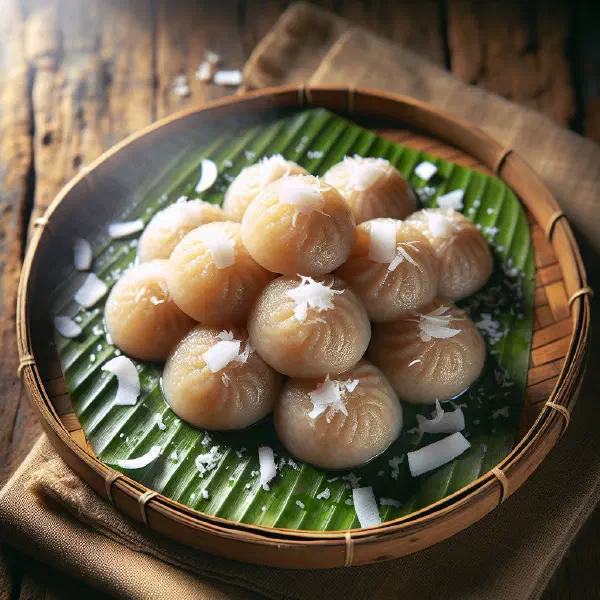
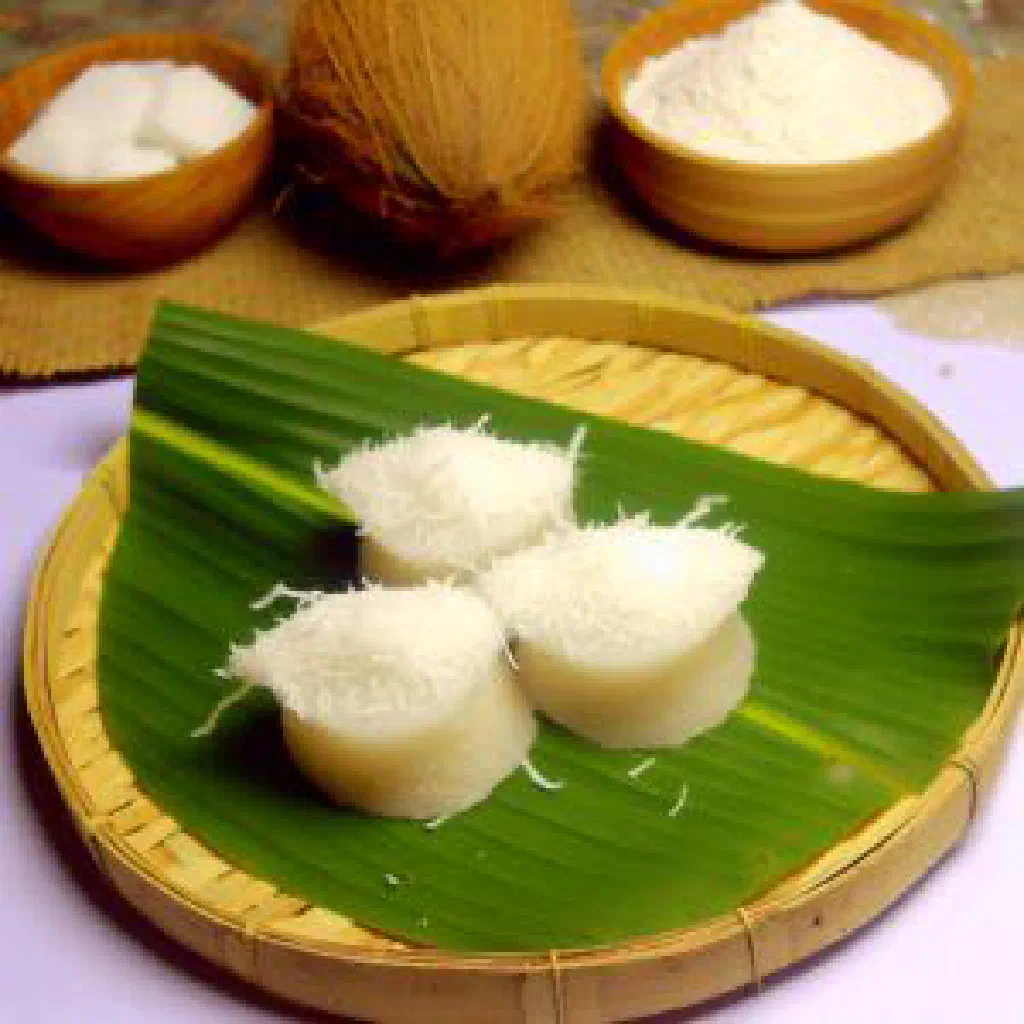
Bhapa Pitha is a classic steamed dish from Bangladesh that has won the hearts of locals and, increasingly, lovers of Asian cooking around the world. These tender rice cakes, wrapped around a variety of fillings, are especially popular in the winter months and are often prepared during traditional festivals and celebrations. The dish can be either sweet or savoury, which makes it wonderfully versatile. The texture is soft and yielding, and its unique aroma promises a memorable eating experience.
Ingredients (serves 1–2)
- 200 g rice flour
- 100 ml water
- 50 g grated coconut (optional)
- 50 g sugar or honey (for the sweet filling)
- Salt to taste
- Nutmeg (optional, for the savoury filling)
- Vegetables or beans (for the savoury filling)
Shopping for the ingredients
The ingredients for Bhapa Pitha are easy to find in most Asian or mixed grocery shops. The rice flour is one of the main components and should be as fresh as possible to achieve the best consistency. The grated coconut is also crucial to the flavour, especially if you plan to make the sweet version. Look for good-quality products to get the best possible result, much as you would when preparing a delicate Patishapta Pitha.
Preparing the dish
Begin by preparing the Bhapa Pitha dough: put the rice flour into a bowl and add water little by little until you have a smooth dough. Stir in salt and, if you like, some grated coconut or spices to vary the flavour. Mix the sweet or savoury filling ingredients separately. It is important to have everything ready and to hand, as this makes the steaming process much easier.
Step-by-step instructions
- Combine the rice flour and water in a bowl until you have a smooth dough.
- Divide the dough into small portions and flatten each one.
- Place the filling in the centre and fold the dough over to enclose it.
- Set the pitha in a steamer basket and steam for about 20 minutes.
- Carefully lift out the finished bhapa pitha and serve warm.
Gluten-free / lactose-free version
For a gluten-free version of Bhapa Pitha, you can use rice flakes in place of rice flour. These are also gluten-free and bring a slightly different texture to the dish. When making the fillings, make sure that all the ingredients are gluten-free as well. To create a lactose-free option, simply use plant-based milk or coconut cream instead of dairy products.
Tips for vegans and vegetarians
Bhapa Pitha is easy to make vegan by using plant-based sweeteners such as agave or maple syrup. For the savoury filling, vegetables, tofu or pulses work beautifully and boost the nutritional value. Take care to choose ingredients that suit your dietary needs, and experiment with different combinations for more variety. This flexibility makes bhapa pitha a dish that fits every kind of lifestyle.
More tips and tricks
The secret to perfect bhapa pitha lies in the steaming technique. Make sure your steamer basket is well covered with a cloth to stop the dough balls drying out. If you like, you can use aromatic water by adding a few spices or fragrant leaves to the liquid you steam over. Another tip is to lightly pan-fry the pitha before serving to give it a pleasantly crisp finish.
Adapting the recipe to your taste
Bhapa Pitha is extremely adaptable and can be tuned to all sorts of tastes. Vary the fillings by adding different spices, herbs or even nuts to deepen the flavour. For a sweeter note, try folding in chocolate chips or dried fruit. Let your creativity run free and experiment with different flavours and textures, just as you might with a comforting bowl of Kheer.
Ingredient substitutions
If you cannot find certain ingredients, there are plenty of alternatives to try. Instead of rice flour, you could use another gluten-free flour. For the filling, both fresh and frozen vegetables are suitable, and in place of grated coconut you might use almonds or cashews for a different flavour. Do not be shy about testing various combinations to find your perfect version of bhapa pitha.
Drink pairing ideas
To round out Bhapa Pitha, you can serve a range of drinks. Herbal tea is an excellent choice, as it underlines the aromas of the dish. For a bolder flavour, consider masala chai, which pairs wonderfully with both the sweet and the savoury fillings. Alternatively, fresh lemonades or fruity cocktails work well to finish the meal on a refreshing note.
Serving and presentation ideas
The presentation of Bhapa Pitha can greatly add to the pleasure of eating it. Serve the pitha in a decorative steamer basket to emphasise the traditional aspect. Garnish the dish with fresh herbs or a squeeze of lemon for extra colour and flavour. An attractive cover or a well-set table can lift the whole dining atmosphere and impress your guests.
A bit of history
Bhapa Pitha has a rich cultural history in Bangladesh and is part of the traditions that are especially treasured during the winter months. It is often associated with festivals and family gatherings, and its preparation is almost a ritual act, passed down from generation to generation. The use of rice flour, coconut and natural sweeteners is a hallmark of the traditional Bangladeshi cuisine, which is both wholesome and delicious. These cultural roots make bhapa pitha a valued heritage that continues to be cherished.
More recipe ideas
Summary: Bhapa Pitha
Bhapa Pitha is a distinctive dish from Bangladesh that captivates with its tender texture and versatile fillings. Sweet or savoury, it offers a delicious way to enjoy the flavours of Asian cooking. With just a few ingredients and a little creativity, you can bring this traditional recipe into your own kitchen and experience a piece of culture. Enjoy the making and the result, your family and friends are sure to be pleased.