National Dish Bangladesh: Chingri Malai (Recipe)
In this article
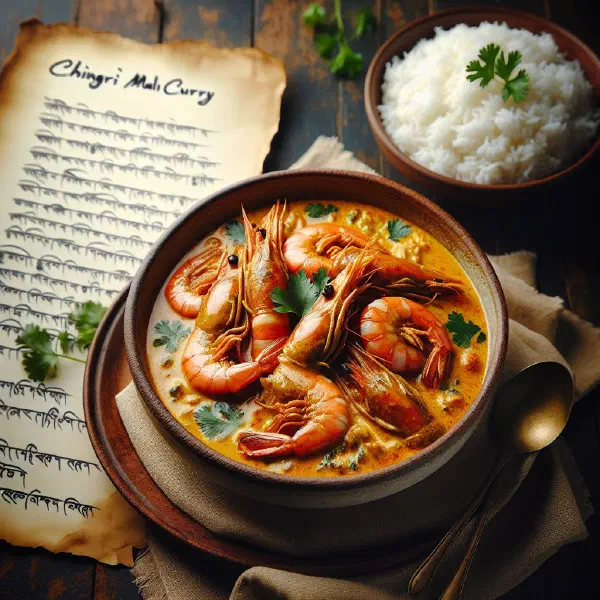
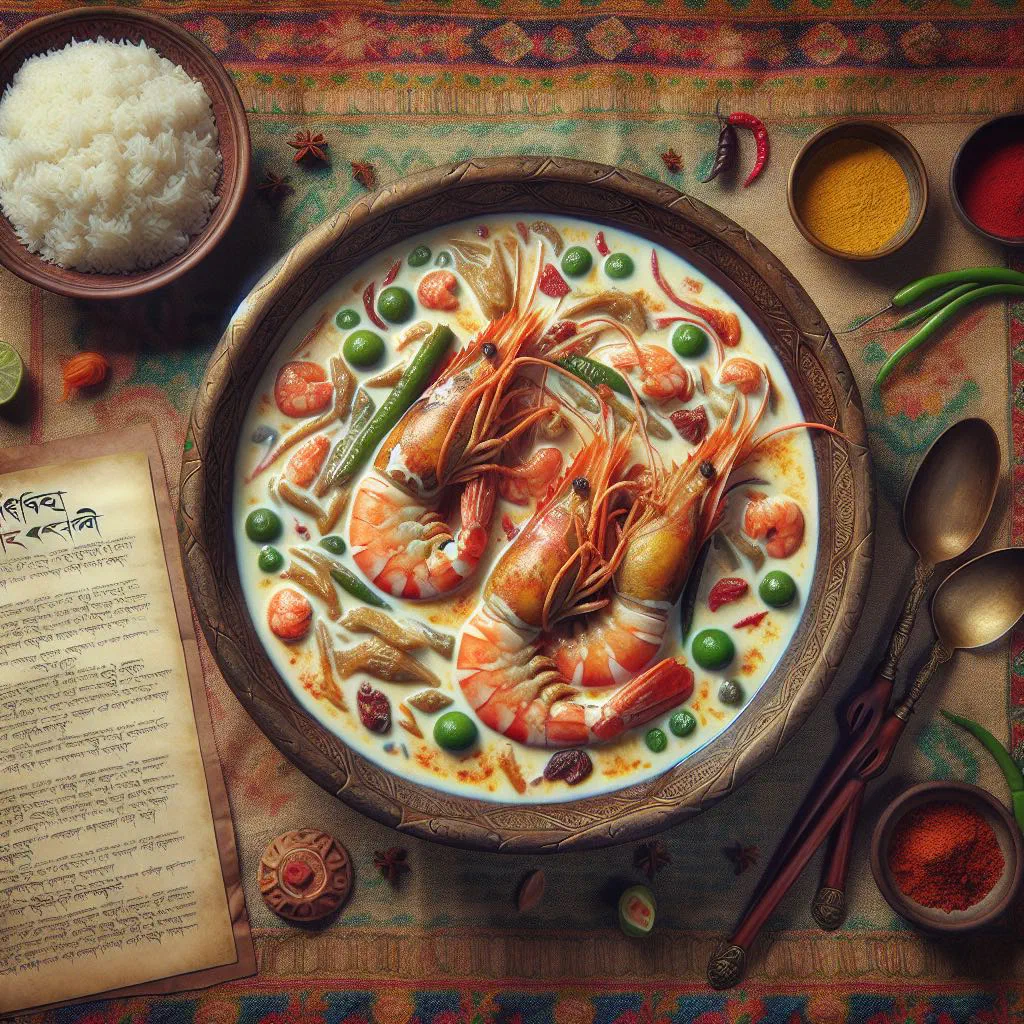
Discover Chingri Malai, a true jewel of Bangladeshi cooking. Plump, tender prawns are simmered in a silky coconut milk sauce, gently perfumed with fresh herbs and warm spices. The delicate sweetness of the coconut against the sea-fresh prawns makes this a dish to remember. Perfect for a special occasion or an unhurried dinner with friends. Bring the flavours of Bangladesh’s coast straight to your own table.
About Chingri Malai
Chingri Malai is a genuine highlight of Bangladeshi cuisine and embodies the country’s rich culinary heritage. This delicate prawn speciality is served in a creamy coconut milk sauce, refined with a range of aromatic spices and fresh herbs. The combination of tender prawns and the soft sweetness of coconut makes the dish a memorable experience. Ideal for special occasions or a relaxed dinner with friends, Chingri Malai has the power to win over every palate.
Ingredients (serves 1–2)
- 250g fresh prawns, cleaned
- 200ml coconut milk
- 1 onion, finely chopped
- 2–3 cloves of garlic, chopped
- 1 piece of ginger (about 2cm), grated
- 2–3 green chillies, whole or chopped
- 1 tsp turmeric powder
- 1 tsp red chilli powder
- 2 tbsp vegetable oil
- Fresh coriander leaves, to garnish
- Salt to taste
Shopping for the ingredients
It is worth seeking out fresh prawns, as the quality of the seafood is decisive for the flavour. Look for prawns that are firm and glossy and that do not carry a strong smell. For the coconut milk, choose a good-quality product without added preservatives. The spices, too, should be fresh so you can draw out the full aroma of the dish.
Preparing the dish
Before you start cooking Chingri Malai, gather and prepare all of your ingredients. Begin by cleaning the prawns and removing the shells. Chop the onion, garlic and ginger, along with the green chillies, into small pieces so the flavours distribute evenly. It also helps to measure out the spices in advance so the cooking runs smoothly.
Step-by-step instructions
- Heat the vegetable oil in a deep pan and fry the chopped onion until translucent.
- Add the garlic and ginger and cook briefly until fragrant.
- Stir in the green chillies and the spices (turmeric and red chilli powder) and mix well.
- Add the fresh prawns and sauté briefly until they turn pink.
- Pour in the coconut milk and let everything simmer gently over low heat for 10–15 minutes.
- Season with salt and garnish with fresh coriander leaves just before serving.
Gluten-free / lactose-free version
Chingri Malai is naturally gluten-free and lactose-free, as it contains no gluten-based ingredients or dairy products. That makes it an ideal choice for anyone with particular dietary needs. Simply make sure the spices and products you use are also gluten-free. With the right selection, everyone can enjoy this delicious dish. Much like the coconut-rich Prawn Malai Curry, it needs no special substitutes to stay allergy-friendly.
Tips for vegans and vegetarians
For vegans and vegetarians there are good ways to enjoy the flavours of Chingri Malai. Instead of prawns you can use tofu or vegetables such as cauliflower or aubergine, cooked in the coconut milk. These alternatives take on the spices and the creamy sauce beautifully and offer a similar taste experience. Just remember to adjust the cooking time to suit the ingredients you choose.
More tips and tricks
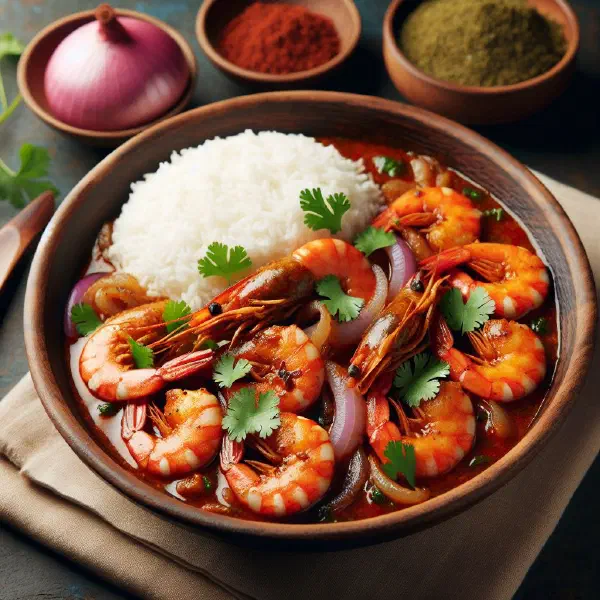
To get the very best from your Chingri Malai, toast some of the spices in advance to deepen their aroma. Use a good-quality coconut milk for a rich sauce, and consider scattering over some roasted cashews for extra texture. Experiment with the amount of chilli to reach your preferred level of heat. The dish is especially good served with fragrant basmati rice.
Adapting the recipe to your taste
The recipe for Chingri Malai is easy to tailor to personal preference. Experiment with different spices to discover new flavour notes, or add extra vegetables such as peas or spinach. For a slightly sweeter touch you can also stir a little brown sugar into the sauce. In this way you can vary the dish however you like and give your creativity free rein.
Ingredient substitutions
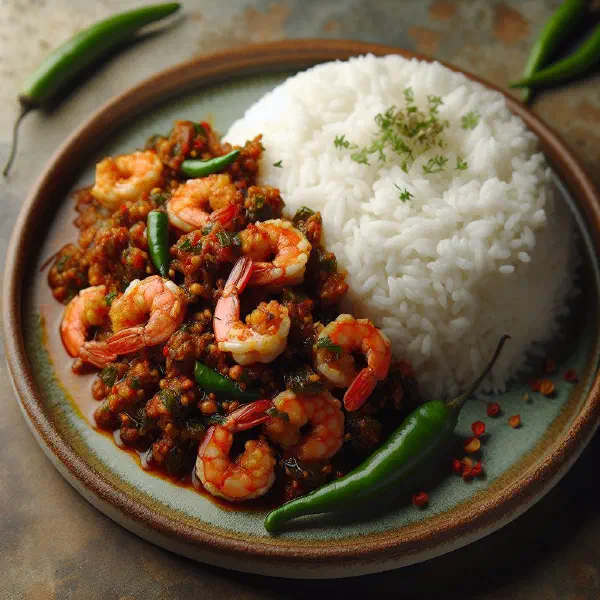
If some of the ingredients are unavailable, there are plenty of alternatives to fall back on. In place of fresh prawns you can use frozen ones, which are a practical option, the same approach works well in a Chingri Bhuna. Instead of coconut milk, almond or oat milk can also do the job, though the consistency will change slightly. Just take care to adjust the spices accordingly to achieve the aroma you want.
Drink pairing ideas
Chingri Malai pairs best with lightly sparkling drinks or classic South Asian favourites. A refreshing mango lassi works wonderfully against the dish’s intensity of flavour. Alternatively, a well-chilled lager complements the spices nicely. For those who prefer to avoid alcohol, mint-based coolers are an excellent choice.
Serving and presentation ideas
Presentation can lift the whole Chingri Malai experience with the right plating. Serve the dish in a decorative bowl and garnish generously with fresh coriander leaves. To add a little extra flair, scatter over some roasted cashews. Presenting the dish on a bed of basmati rice further enhances the visual appeal.
A bit of history
Chingri Malai has its roots in the coastal regions of Bangladesh, where fresh seafood plays a central role in traditional cooking. The dish is often linked to festive occasions and family gatherings, as it brings together so many flavours and textures. The use of coconut in Bengali and Bangladeshi Bangladesh cuisine is a deeply rooted tradition that has developed over centuries. This dish is a perfect example of the region’s flavourful diversity and cultural influences.
More recipe ideas
Summary: Chingri Malai
Chingri Malai combines tender prawns with a rich, creamy coconut milk sauce and aromatic spices. This dish is a perfect choice for anyone drawn to Bangladeshi cooking who loves to experiment with warm, loving flavours. Whether for special occasions or a relaxed dinner at home, Chingri Malai is sure to be a hit with your guests. Let the fascination of this culinary tradition sweep you along and savour every bite.