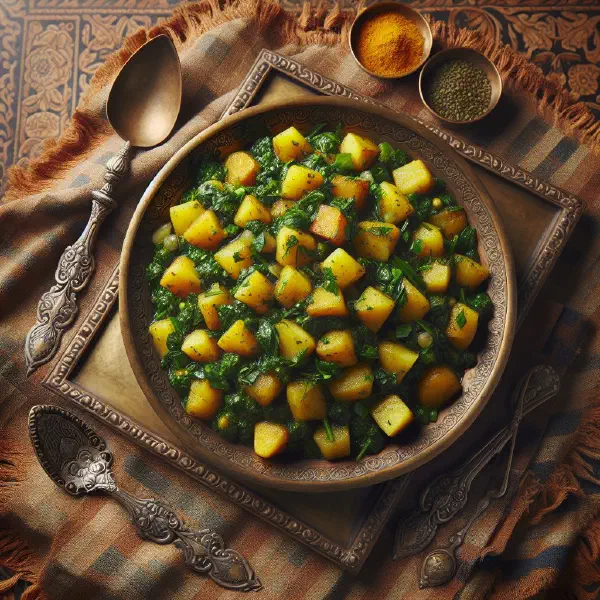
National Dish Bangladesh: Fulkopir Torkari (Recipe)

In this article
Meet Fulkopir Torkari, a homely cauliflower curry that sits at the heart of everyday cooking in Bangladesh. Fresh florets and tender potato are simmered with turmeric, cumin and coriander until the vegetables turn soft and golden, drinking up every bit of the spice. It is vegetarian, vegan and naturally gluten-free, yet full of colour and warmth, the kind of comforting, wholesome dish that tastes best spooned over a mound of steaming rice.
About Fulkopir Torkari
Fulkopir Torkari is a traditional vegetable dish from Bangladesh, brimming with flavour and goodness. It is built mainly around fresh cauliflower, brought to life with a generous mix of spices and other fresh vegetables. This dish is a pleasure to eat and a real feast for the eyes, thanks to its warm, golden colours on the plate. It is most often served with rice and makes a perfect choice for a healthy, balanced meal.
Ingredients (serves 1–2)
- 1 small cauliflower
- 1 potato
- 1 large onion
- 2 cloves of garlic
- 1 piece of ginger (about 2 cm)
- 1 teaspoon turmeric
- 1 teaspoon cumin
- 1 teaspoon ground coriander
- 2–3 green chillies
- 3 tablespoons oil (such as sunflower oil)
- Salt to taste
Shopping for the ingredients
The ingredients for Fulkopir Torkari are usually easy to find in any well-stocked supermarket or at the weekly market. Look for fresh vegetables in particular, a crisp, firm cauliflower and waxy potatoes that hold their shape. The spices are just as important for an authentic taste, so choose good-quality, fresh ones wherever you can. A few items such as fresh chillies or ginger are sometimes easier to track down in an Asian grocery if your regular shop does not stock them.
Preparing the dish
Before you start cooking Fulkopir Torkari, wash and prepare all the ingredients thoroughly. Cut the cauliflower into small florets and dice the potato. Slice the onion into fine rings, while the garlic and ginger can be crushed together into a paste. Getting this groundwork done makes the cooking itself far quicker and smoother, letting you focus fully on building the flavours. This same simple prep underpins many dishes across Bangladeshi cuisine.
Step-by-step instructions
- Heat the oil in a large pot or pan over medium heat.
- Add the sliced onions and fry until golden brown.
- Stir in the garlic and ginger paste and cook briefly to release the aroma.
- Now add the spices (turmeric, cumin and coriander) and stir well.
- Tip in the potatoes and the cauliflower, mix everything together and fry for a few minutes.
- Pour in a little water to steam the vegetables, cover the pot, and let it simmer for about 15–20 minutes until the vegetables are tender.
- Season with salt and fresh chillies, then serve hot with rice.
Gluten-free / lactose-free version
Fulkopir Torkari is naturally gluten-free and lactose-free, which makes it an ideal dish for anyone with intolerances. Just check that all the spices and oils you use are free of hidden gluten or lactose additives. You can enjoy the curry with a gluten-free side such as quinoa or polished white rice. The wholly plant-based ingredients offer a healthy, nourishing option that suits a wide range of dietary needs.
Tips for vegans and vegetarians
Fulkopir Torkari is a wonderful recipe for vegans and vegetarians, since it relies entirely on plant-based ingredients. To make the dish even more substantial, add extra vegetables or pulses such as peas or lentils. These bring extra texture and boost the nutrition. Feel free to adjust the spices to your own taste to get the very best flavour from each mouthful.
More tips and tricks
To deepen the flavour of Fulkopir Torkari, a few practical touches go a long way. Tossing the cauliflower in a marinade of spices and oil before cooking helps lock the aromas into the florets. Using fresh spices rather than dried ones also gives a more intense taste. Finally, finish the dish with fresh herbs such as coriander or mint to lend it a bright, fresh note.
Adapting the recipe to your taste
Fulkopir Torkari takes beautifully to personal tweaks. If you like things hotter, add extra chillies or even a pinch of chilli powder. For a creamier consistency, stir in a little coconut milk towards the end of cooking. You can also experiment with the vegetables themselves, swapping in seasonal produce to keep the dish varied and interesting, much as a cook might vary a simple Shak Bhaji from week to week.
Ingredient substitutions
If some of the ingredients for Fulkopir Torkari are not to hand, there are plenty of creative alternatives. Broccoli or courgette can stand in for cauliflower, gently shifting the flavour of the finished dish. Sweet potatoes work well in place of ordinary potatoes, adding a subtle hint of sweetness. If you fancy a smoother, mash-style result instead, the closely related Fulkopi Bharta is a lovely variation to try.
Drink pairing ideas
A range of drinks pairs beautifully with Fulkopir Torkari. A classic lassi, whether mango or plain yoghurt, complements the spices wonderfully. Alternatively, serve a cool sparkling water or a soothing ginger tea to lighten the flavours. Beer lovers, meanwhile, will appreciate a light, fresh lager to round off the meal.
Serving and presentation ideas
Thoughtful plating can really lift the Fulkopir Torkari experience. Serve the curry in a large bowl, garnished with freshly chopped coriander or mint to highlight both the flavour and the colours. A few lime wedges on the side add an extra hit of freshness. For a festive touch, you might even scatter over a handful of edible flowers, making the dish look even brighter and more inviting. It also sits happily alongside crisp fritters such as Beguni.
A bit of history
Fulkopir Torkari has its roots in the traditional cooking of Bangladesh, reflecting the region’s cultural influences and its farming rhythms. The dish has evolved over the centuries and is often prepared for family gatherings and festive meals. It is especially popular in winter, when the cauliflower is freshly harvested. More than just a recipe, it stands for the shared, communal spirit of eating together, a quality echoed in classics like Aloo Bhorta.
More recipe ideas
Summary: Fulkopir Torkari
Fulkopir Torkari is more than just a vegetable dish; it is a true celebration of flavour and a mirror of Bangladeshi food culture. With fresh ingredients and a generous hand of spices, it is easy to prepare and simple to adapt to your own preferences. It is sure to win over guests and family alike. This pleasure from Bangladesh brings flavour to the table and a piece of living tradition into your kitchen.