National Dish Bangladesh: Hilsa Bhuna (Recipe)
In this article
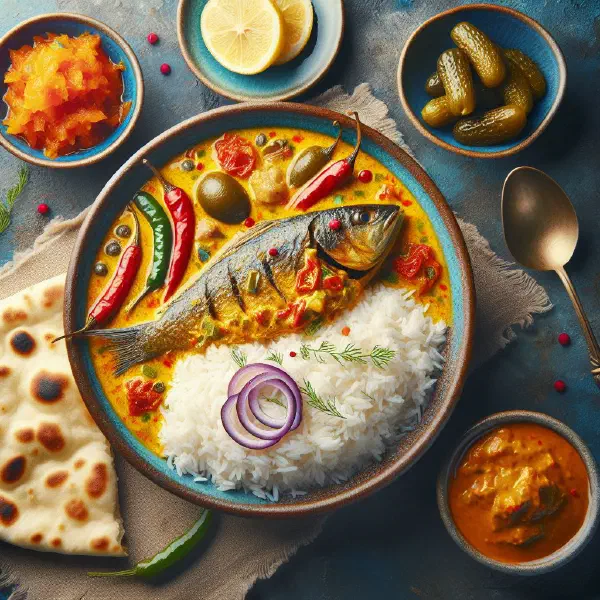
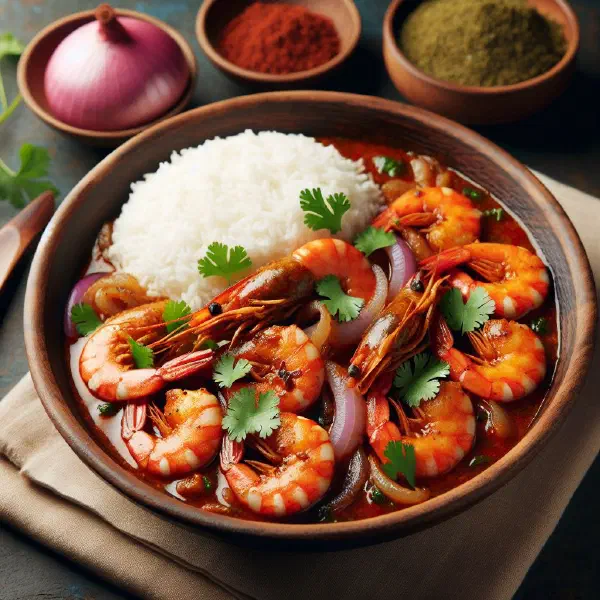
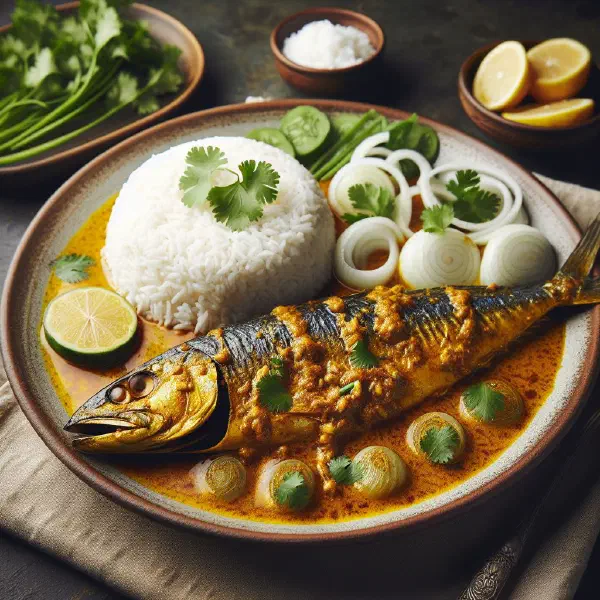
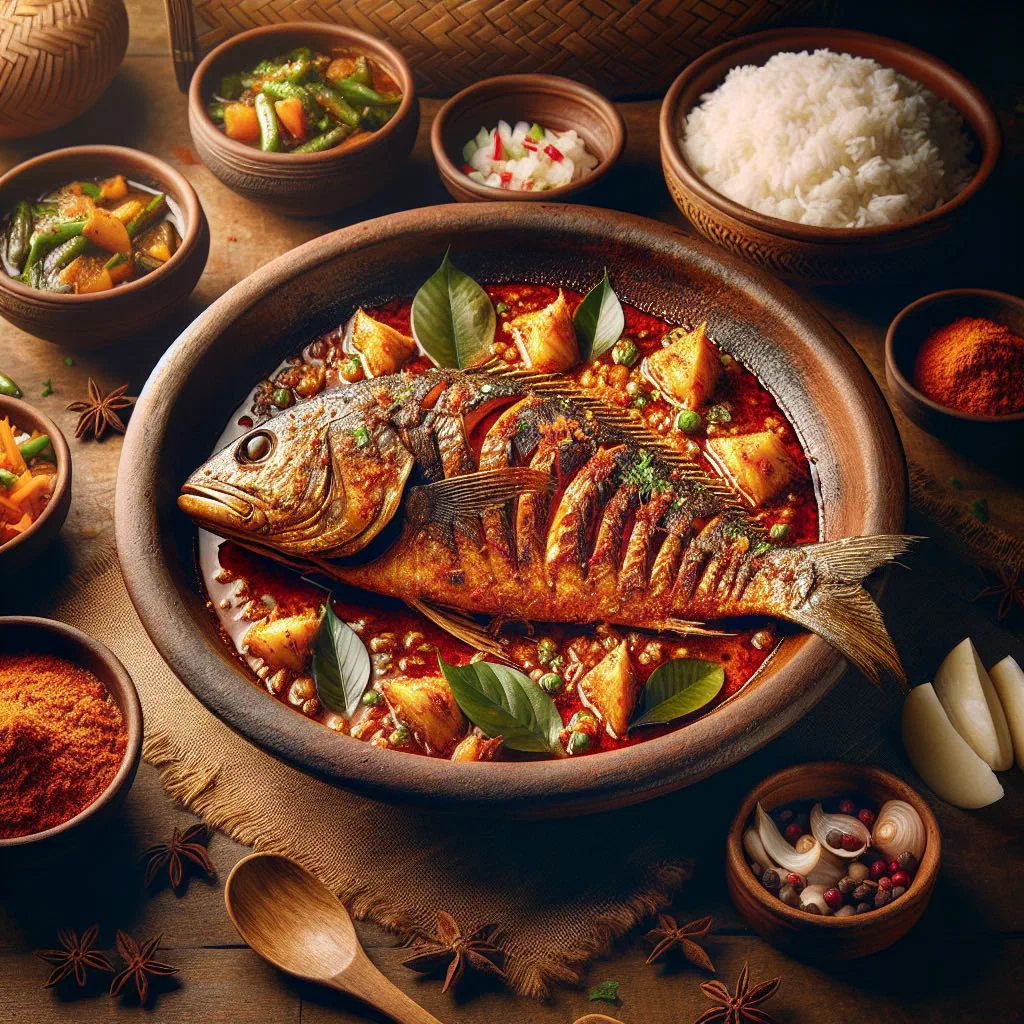
Meet Hilsa Bhuna, a dish that sits close to the heart of Bengali cooking and is one of Bangladesh’s proudest culinary treasures. The prized hilsa fish, celebrated for its delicate texture and unmistakable flavour, is coaxed into a deeply aromatic, intensely rich sauce that turns every mouthful into a small celebration. Whether it graces a festive table or a family Sunday lunch, this dish captures the warmth and generosity of traditional Bangladeshi kitchens.
About Hilsa Bhuna
Hilsa Bhuna is not merely a national dish of Bangladesh. It is a symbol of the country’s gastronomic identity. The hilsa fish, renowned for its incomparable taste and tender flesh, is transformed here into a true feast. The pairing of aromatic spices with an intensely rich sauce ensures that every bite is a genuine flavour experience. The dish is especially beloved at festive occasions and in families who cherish their love of traditional cooking, making it a cornerstone of authentic Bangladeshi cuisine.
Ingredients (serves 1–2)
- 500 g hilsa fish fillets
- 2 onions, finely chopped
- 2–3 green chillies
- 1 teaspoon turmeric powder
- 1 teaspoon red chilli powder
- 2–3 tablespoons mustard oil or vegetable oil
- Salt to taste
- 1 teaspoon ginger-garlic paste
- Fresh coriander, to garnish
Shopping for the ingredients
To make hilsa bhuna, it is best to buy fresh hilsa fish, which is stocked in many Asian grocery stores. When shopping, look for fish that is glossy and smells clean and fresh. The remaining spices and ingredients are usually easy to source in those same shops. Pay attention to the quality of the spices, as they have a decisive influence on the final flavour of the dish.
Preparing the dish
Before you start cooking hilsa bhuna, gather and prepare all your ingredients. Wash the hilsa fish fillets thoroughly and cut them into medium-sized pieces. Finely chop the onions and the green chillies so they distribute evenly through the dish. Getting the spices measured out in advance is just as important, as it keeps the cooking process smooth and unhurried.
Step-by-step instructions
- Heat the mustard oil in a deep pan over medium heat.
- Add the finely chopped onions and fry until golden brown.
- Stir in the ginger-garlic paste and the green chillies, and cook the mixture for 2–3 minutes.
- Add the turmeric powder, red chilli powder and salt, and stir well.
- Now add the fish fillets, stirring gently so the spices coat the flesh.
- Cover the pan and let the fish cook for 10–15 minutes, until cooked through.
- Garnish with fresh coriander and serve hot with warm rice or chapati.
Gluten-free / lactose-free version
Hilsa bhuna is naturally gluten-free and lactose-free, which makes it an excellent choice for anyone with those intolerances. Just make sure the spices and oils you use are also free from gluten-containing additives. If you reach for any extra ingredients, check their composition carefully. That way the dish stays authentic and comfortably suitable for sensitive diets.
Tips for vegans and vegetarians
Hilsa bhuna may not suit vegans and vegetarians, but you can still borrow its flavours. Try replacing the fish with tofu or aubergine to achieve a similar texture. Use the same spices and sauce to carry that flavour into your plant-based dishes. This can be a wonderful way to enjoy the essence of hilsa bhuna in a meat-free version.
More tips and tricks
To make hilsa bhuna a real highlight, feel free to experiment with the spices. Depending on your taste, add favourites such as cumin or garam masala to build extra layers of flavour. Keep an eye on the cooking time of the fish pieces to ensure they stay tender and juicy. You can also adjust the consistency of the sauce by adding a little more water or stock if you prefer it looser.
Adapting the recipe to your taste
Hilsa bhuna is a highly adaptable dish that is easy to shape to personal preference. If you like it hotter, add more green chillies or a pinch of cayenne pepper. For a sweeter note, stir in a little sugar or jaggery. Experiment with different types of fish to create a new flavour experience while keeping the basic recipe intact.
Ingredient substitutions
If you cannot get hold of hilsa fish, other varieties such as salmon or mackerel work well too. These have a similar fat content and can bring out the flavour you are after, much like the fish that shines in Ilish Macher Jhol. Instead of mustard oil you can also use olive oil or sesame oil to give the dish a different flair. Take care not to overheat the oils, though, so you do not lose their aromas.
Drink pairing ideas
A typical Bangladeshi lunch is often served with the traditional drink lassi, which offers a refreshing counterpoint to the spicy notes of hilsa bhuna. A cup of chai (Indian spiced tea) also makes a fitting choice, its sweetness rounding off the heat of the dish. If you would like an alcoholic option, a fruity white wine pairs beautifully with the delicate flavours here.
Serving and presentation ideas
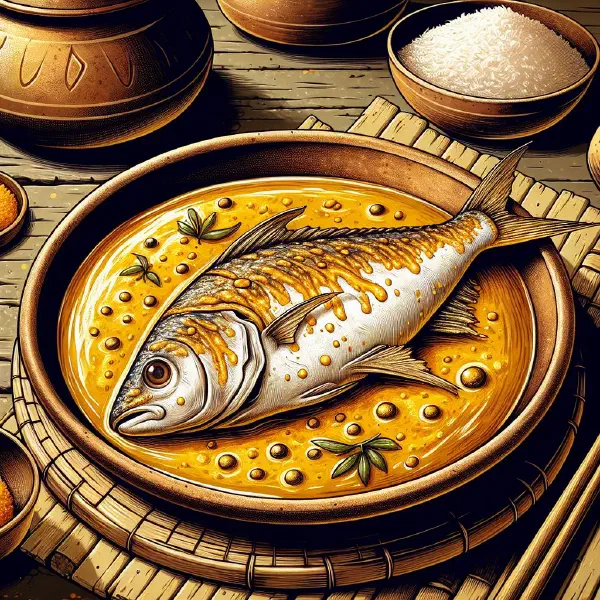
Presentation can lift the hilsa bhuna experience considerably. Serve the fish on a simple clay platter to highlight the dish’s traditional roots. Garnish with fresh herbs to bring out both colour and aroma. A small bowl of extra chillies or a spicy sauce alongside gives guests the chance to adjust the dish to their own taste, just as you might with a plate of Shorshe Ilish.
A bit of history
Preparing hilsa bhuna is a deeply rooted tradition in Bengali cooking, drawn from centuries of culinary innovation. The hilsa fish, also known as the national fish, plays a central role in Bangladeshi culture. Historically it was reserved for royal households and celebrations, which made it a symbol of prosperity. Over the years the preparation has given rise to various regional variations, each incorporating different spices and cooking techniques.
More recipe ideas
Summary: Hilsa Bhuna
Hilsa bhuna is a prime example of the rich culinary tradition of Bangladesh. The combination of the delicate hilsa fish and aromatic spices makes for a memorable flavour experience. Whether for festive occasions or everyday meals, this dish is a true homage to the love of good food in Bangladesh. Give it a try and let its variety and aromas win you over.