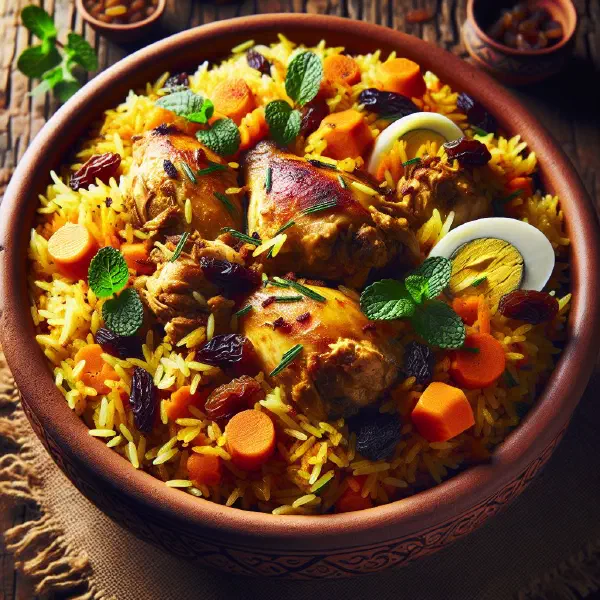
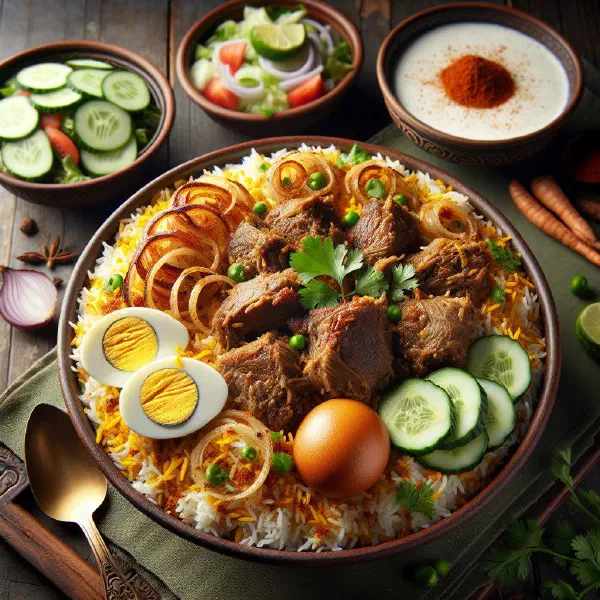
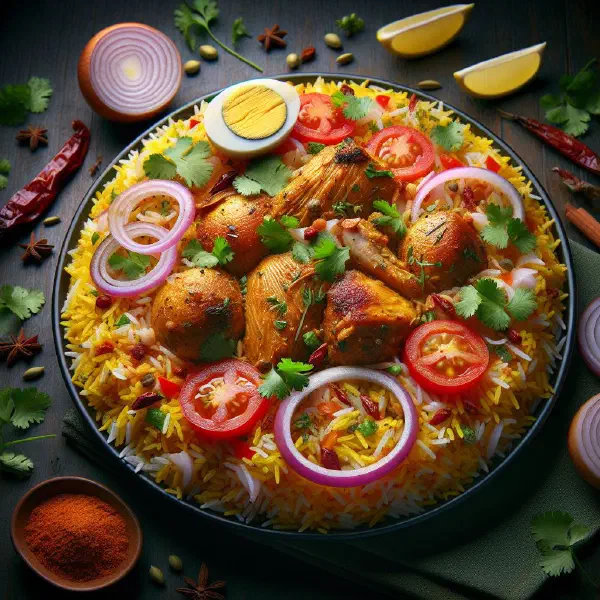
National Dish Bangladesh: Kachi Biryani (Recipe)
In this article
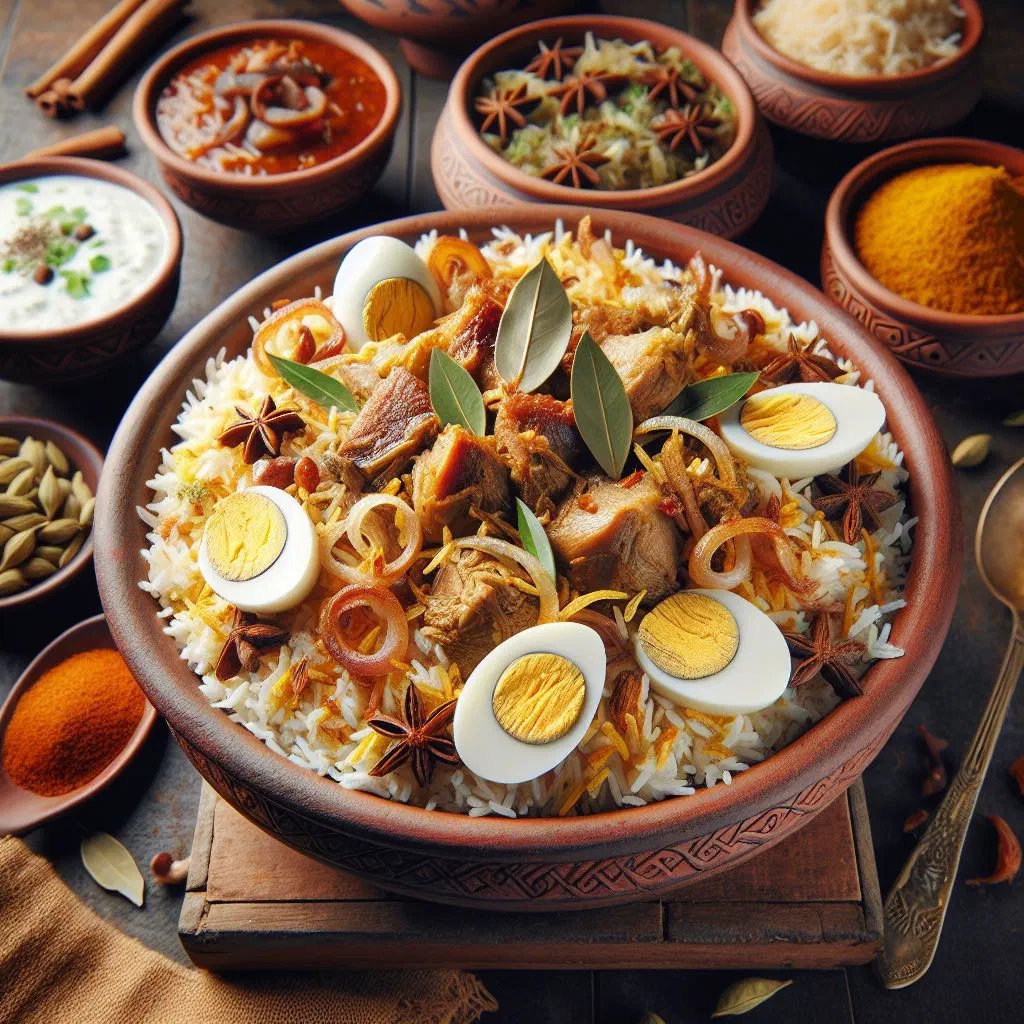
Discover Kachi Biryani, one of Bangladesh’s most treasured festive dishes. This aromatic rice dish layers tender, marinated meat with fragrant basmati rice and a lavish blend of warming spices. Slow-cooked until every grain is perfumed, it is the pride of weddings and special occasions across the country. Bring a taste of Bangladeshi celebration straight to your own kitchen.
About Kachi Biryani
Kachi Biryani is far more than a simple rice dish. It is a true feast that has won the hearts of countless people across Bangladesh. At its heart is an exquisite pairing of tender, marinated meat and fragrant basmati rice, cooked together with a generous medley of spices. Every family recipe varies a little, yet the core ingredients and the traditional method stay largely the same. Kachi biryani is often the showpiece at festivities, weddings and special gatherings, where it is served with real pride.
Ingredients (serves 1–2)
- 250g basmati rice
- 300g chicken or lamb, cut into pieces
- 1 large onion, sliced into rings
- 4 garlic cloves, crushed
- 1 piece of ginger, grated
- 1 teaspoon cumin
- 1 teaspoon cardamom
- 1 teaspoon cinnamon
- 1 teaspoon red chilli powder
- 1 cup yoghurt
- Salt to taste
- Fresh coriander leaves, to garnish
- Water
Shopping for the ingredients
When shopping for kachi biryani, it is important to choose good-quality ingredients to guarantee the best possible flavour. Visit your local market or a specialist grocery to pick up fresh basmati rice and aromatic spices. Make sure the meat is of good quality, as this ensures both tenderness and full flavour. Fresh herbs such as coriander are also crucial for the garnish and add a welcome brightness to the finished dish.
Preparing the dish
The preparation is the key to a successful kachi biryani. Begin by marinating the meat, combining it with yoghurt, garlic, ginger and spices. This marinade should be left to work for at least 1 to 2 hours, ideally overnight, so the meat absorbs the aromas completely. Meanwhile, soak the basmati rice in water to shorten its cooking time and help it reach just the right consistency.
Step-by-step instructions
- Add the marinated meat to a large pan and sear gently until it takes on a golden colour.
- Sauté the onions in the pan until soft and lightly caramelised.
- Tip the soaked rice over the meat and onions.
- Add water so the rice is just covered, then season with salt.
- Cover the pan and let everything simmer over low heat until the water has evaporated and the rice is cooked through.
- Before serving, fluff the kachi biryani gently and garnish with fresh coriander leaves.
Gluten-free / lactose-free version
Kachi biryani is naturally gluten-free, as it is made mainly from rice and meat. To make it lactose-free, simply swap the traditional yoghurt for a plant-based one. Take care that the spices and other ingredients you choose contain no hidden dairy either. These small adjustments mean everyone can enjoy this delicious dish without missing out on any of its nourishing goodness.
Tips for vegans and vegetarians
For a vegan version of kachi biryani, replace the meat with tofu, chickpeas or a colourful mix of vegetables. Marinate your chosen protein in the same way to intensify the flavour and echo the aromas of the original dish. Use plant-based yoghurt or coconut milk to lend the biryani a creamy consistency. This adaptation makes sure vegan and vegetarian diners are just as well catered for.
More tips and tricks
To take your kachi biryani to the next level, experiment with different spice combinations. Feel free to add more or less of any particular spice to suit your taste. Cooking the biryani in a traditional clay pot deepens that lovely smoky aroma. Soaking the rice overnight and using the freshest ingredients you can find will also improve the flavour of your dish considerably.
Adapting the recipe to your taste
Adapting kachi biryani to your personal preferences is easy and makes the cooking all the more fun. You might change the type of meat, for instance, or switch entirely to plant-based alternatives. You can also vary the strength of the spicing to make the dish milder or hotter. By tailoring the recipe to your own taste, you give every serving a personal touch all of its own.
Ingredient substitutions
If some ingredients prove hard to find, there are plenty of alternatives. In place of basmati rice you can use jasmine rice, though this will alter the flavour slightly. For the marinade, plant-based yoghurt alternatives or even a purée of cashew nuts work well. Meaty ingredients can be swapped for protein-rich pulses, making the dish suitable for a wide range of diets, much like the hearty grains at the heart of a Bhuna Khichuri.
Drink pairing ideas
A range of drinks pairs beautifully with kachi biryani. A classic mango lassi offers a refreshing, gently sweet counterpoint, while a zesty Lebu Pani or an aromatic tea harmonises nicely with the dish’s spices. For a festive touch, an Indian-style lager or a glass of dry white wine helps to underline the flavours as you eat.
Serving and presentation ideas
The presentation of kachi biryani can greatly enhance the pleasure of the meal. Serve the dish on a handsome large platter and garnish it with fresh coriander leaves and fine onion rings. Add a scattering of toasted nuts or raisins for a little extra decoration. Round things off with a bowl of cooling Mishti Doi, and enjoy the meal with family or at festivals to honour the culinary traditions of Bangladesh.
A bit of history
Kachi biryani has its roots in the history of Bangladesh, shaped by a variety of cultural influences. It is thought to trace its origins back to Mughal cuisine, celebrated for its abundance of spices and aromatic ingredients. The very method by which the dish is made, layering rice and meat, has turned it into a timeless classic. Its popularity owes as much to its cultural significance within society as to its wonderful flavour, and it remains a jewel of Bangladeshi cuisine.
More recipe ideas
Summary: Kachi Biryani
In short, kachi biryani is not merely a dish but a heritage brimming with flavour and tradition. Whether for a festive spread or a relaxed evening at home, it brings joy to every meal. With its straightforward preparation and endless scope for adaptation, there is something here for every palate. Experience the culinary diversity of Bangladesh and savour a piece of history right there on your plate.