National Dish Bangladesh: Kalo Jam (Recipe)
In this article
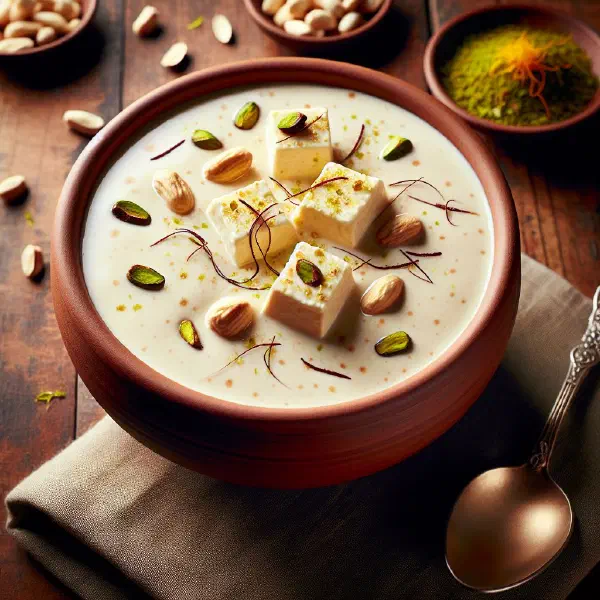
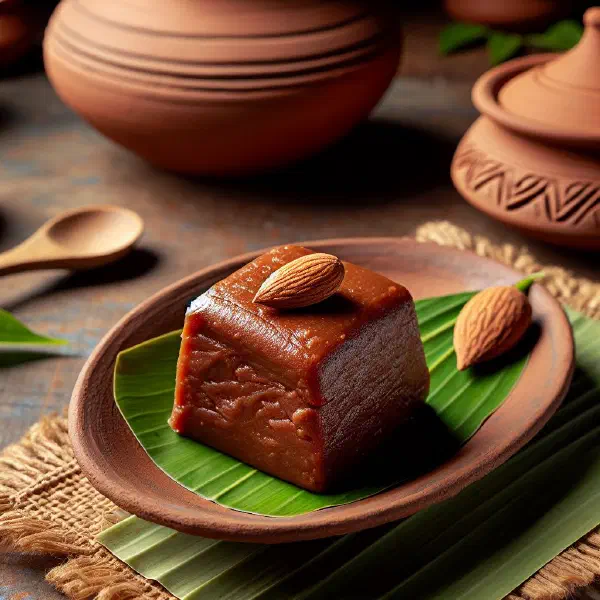
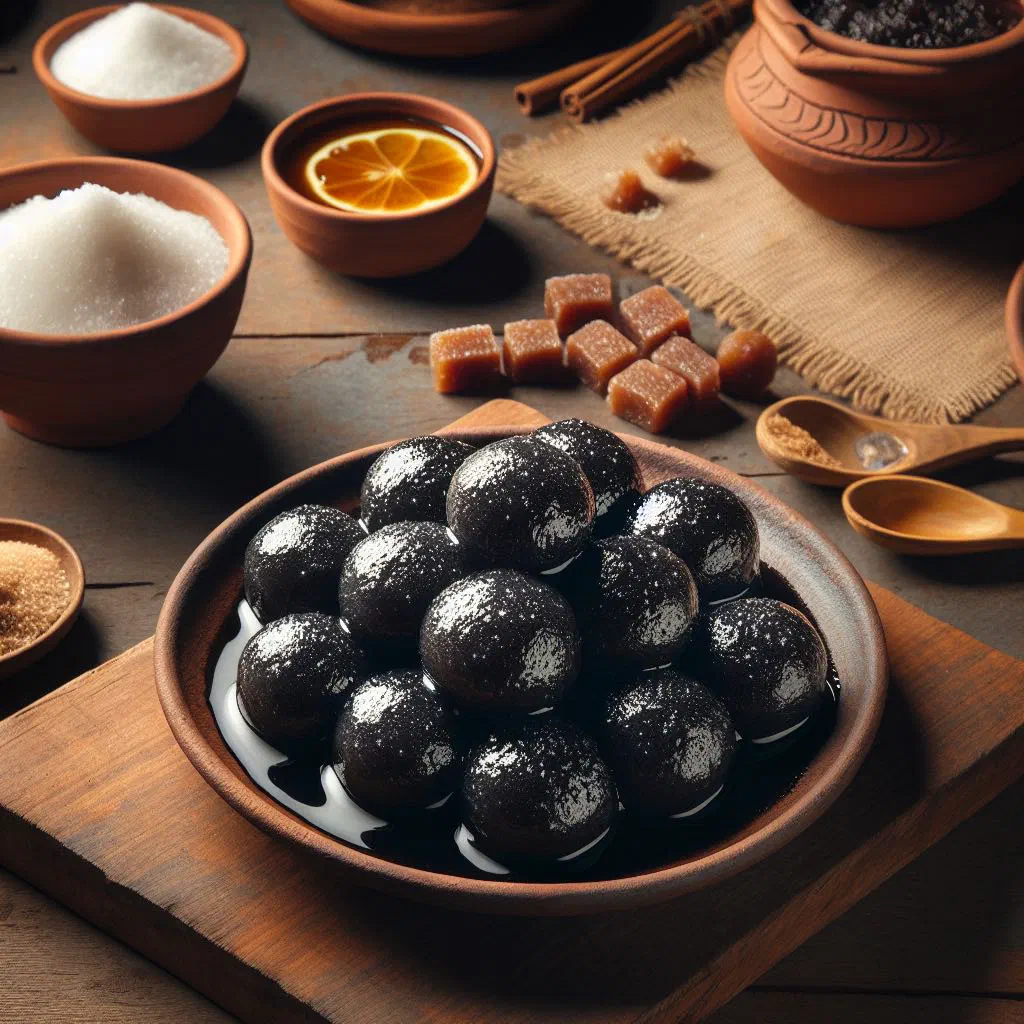
Meet Kalo Jam, one of Bangladesh’s most beloved festive sweets. These deep-fried milk dumplings turn a deep, glossy brown as they cook, giving them their name, kalo meaning “black”. Made from rich khoya and gently perfumed with cardamom, they are soft, syrupy and utterly moreish. No wedding, Eid celebration or family gathering feels quite complete without a plate of them, and they make a wonderful sweet finish to any meal.
About Kalo Jam
Kalo Jam is a traditional dessert from Bangladesh that takes pride of place at festive occasions and celebrations. These sweet, deep-fried dumplings are made from khoya, a rich, reduced milk solid, and sugar. What sets kalo jam apart is its tender, melt-in-the-mouth texture and its distinctive flavour, which wins over locals and visitors alike. A small, sweet indulgence, it is the perfect way to round off any menu. It sits comfortably alongside other classic Bengali sweets such as Rasgulla and Sandesh.
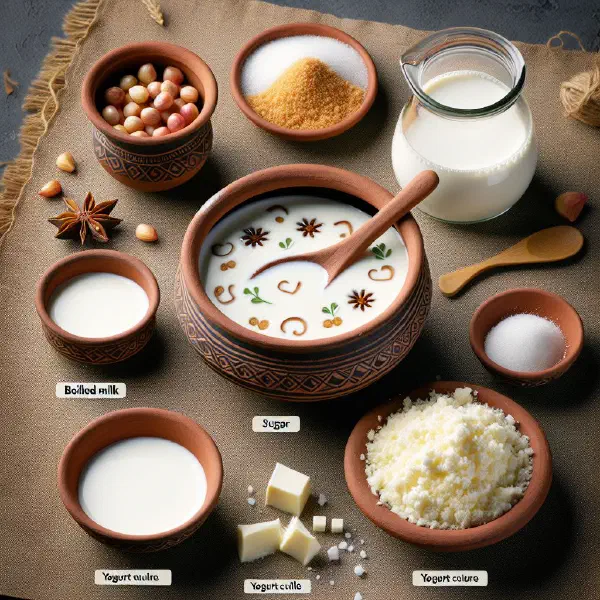
Ingredients (serves 1–2)
- 200 g khoya
- 100 g sugar
- 100 g plain flour
- 1 tsp baking powder
- 1 tsp ground cardamom
- Oil, for deep-frying
- Water, as needed
Shopping for the ingredients
To make kalo jam you will need a few specific ingredients, which are available in Asian supermarkets or online. Khoya is the essential component and can be found in many Indian and Bangladeshi grocery shops. Do choose fresh khoya, as its quality has a real impact on the flavour of the finished dish. The other ingredients, such as sugar and flour, are stocked in any food shop, which makes this dessert wonderfully simple and accessible to put together.
Preparing the dish
Before you start, it pays to get everything ready. Measure out the quantities precisely and make sure your work surface is clean and tidy. This lets the preparation run smoothly and without interruptions. You can also begin heating the oil in a deep pan so that it is at the right temperature by the time you come to fry.
Step-by-step instructions
- In a bowl, combine the khoya, sugar, flour, baking powder and cardamom until well mixed.
- Add a little water as needed, until you have a smooth, pliable dough.
- Shape the dough into small balls, roughly the size of a walnut.
- Heat the oil in a deep pan and deep-fry the balls until golden brown.
- Drain the finished kalo jam on kitchen paper and serve warm.
Gluten-free / lactose-free version
Kalo jam is easily adapted for a gluten-free version by using gluten-free flour in place of plain flour. For a lactose-free option, you can use lactose-free khoya or a plant-based alternative such as coconut cream. These variations let more people enjoy this delicious dessert. Keep a close eye on the frying time, as the texture can vary depending on the ingredients you choose.
Tips for vegans and vegetarians
For a vegan version of kalo jam, you can use plant milk or a blend of coconut milk and starch instead of khoya. These options give the dish an interesting flavour while keeping it firmly in line with strict vegan guidelines. Do look out for vegan sugar, as some varieties are processed using animal products. That way everyone, vegans and vegetarians alike, can enjoy a taste of Bangladeshi culture.
More tips and tricks
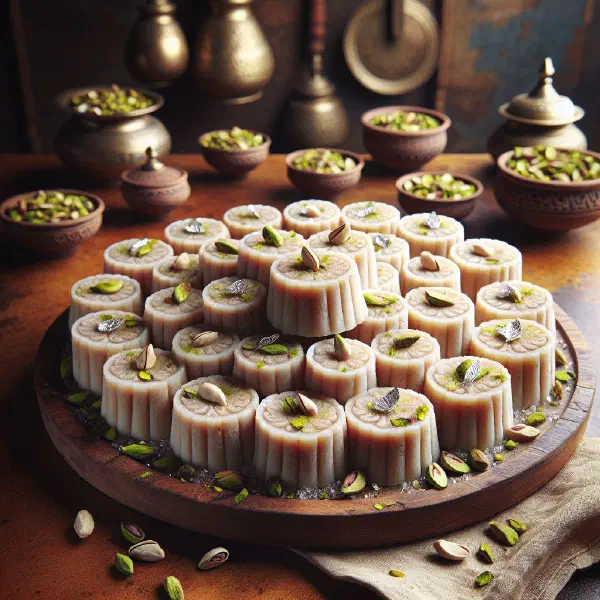
To make the perfect kalo jam, it is important that the oil is at the right temperature before you add the dumplings. Oil that is too cool will cause the balls to soak up too much fat and turn greasy. A good trick is to drop a tiny piece of dough into the oil; if it rises to the surface straight away, the oil is ready. You can also finish the kalo jam with a sprinkle of pistachios or almonds to enhance both the flavour and the presentation.
Adapting the recipe to your taste
If you would like to give kalo jam a special touch, you can experiment with aromatics such as rose water or saffron. These ingredients can lift the flavour profile of the dessert to a whole new level. The amount of sugar can also be adjusted slightly to suit your personal taste. This flexibility means you can tailor the traditional recipe to your own palate.
Ingredient substitutions
If you cannot find khoya, almond or chickpea flour combined with a plant-based milk alternative works well as a substitute to achieve the desired consistency. Be sure to measure carefully, as alternative ingredients may produce a slightly different texture. Another interesting swap for sugar would be maple syrup or honey, provided you are not following vegan guidelines. Substitutions like these can make the dessert healthier and more interesting in flavour, a trick that works nicely for other sweets such as Kheer too.
Drink pairing ideas
A number of drinks pair beautifully with kalo jam and round off the tasting experience. A sweet chai tea or a delicate rose water drink are excellent choices to balance the sweetness of the dessert. A refreshing lime water can also work well as a contrast.
Serving and presentation ideas
Presentation plays a big part when serving kalo jam. Serve the dumplings in a pretty bowl and garnish them with chopped nuts or a dusting of icing sugar. Adding fresh flowers or decorative leaves can lift the dessert further still. An attractive presentation whets the appetite and offers a glimpse into Bangladeshi food culture.
A bit of history
Kalo Jam has its roots in Bangladeshi cuisine and forms part of the country’s cultural heritage. The dish is often served at celebrations, weddings and other special occasions. Over time the recipe has evolved, but the traditionally sweet, deep-fried dumplings remain a defining part of Bangladeshi gastronomy. The popularity of kalo jam has spread well beyond the borders of Bangladesh, where it is cherished by many.
More recipe ideas
Summary: Kalo Jam
Kalo Jam is a delicious, traditional dessert that captures the essence of Bangladeshi cuisine. With its straightforward preparation and its many possibilities for adaptation, it is ideal for celebrations and special occasions. Whether vegan, gluten-free or flavoured in different ways, this dish can be adjusted to suit all kinds of tastes and preferences. Easy to make and wonderfully versatile, kalo jam is a genuine treat for every palate.