National Dish Bangladesh: Kochu Pata Chingri (Recipe)
In this article
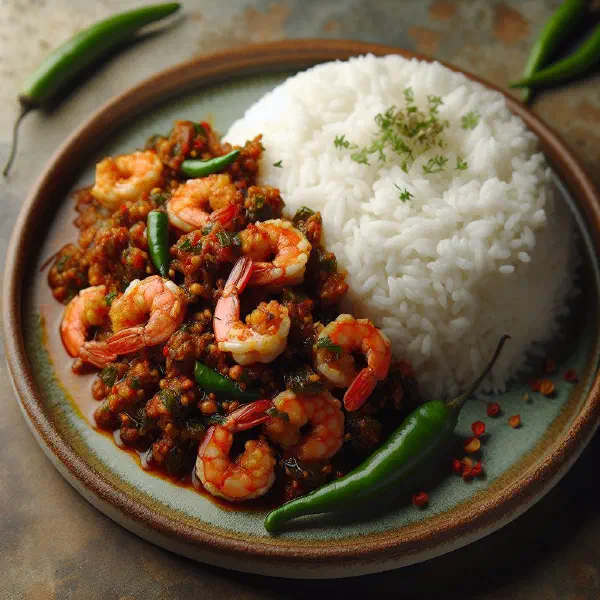
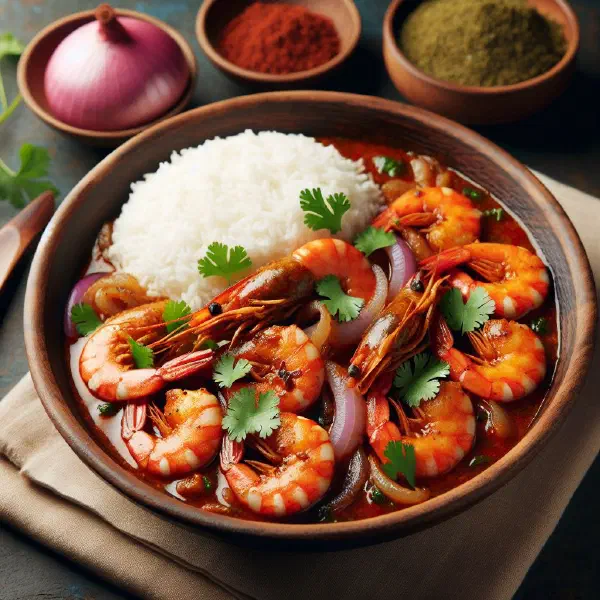
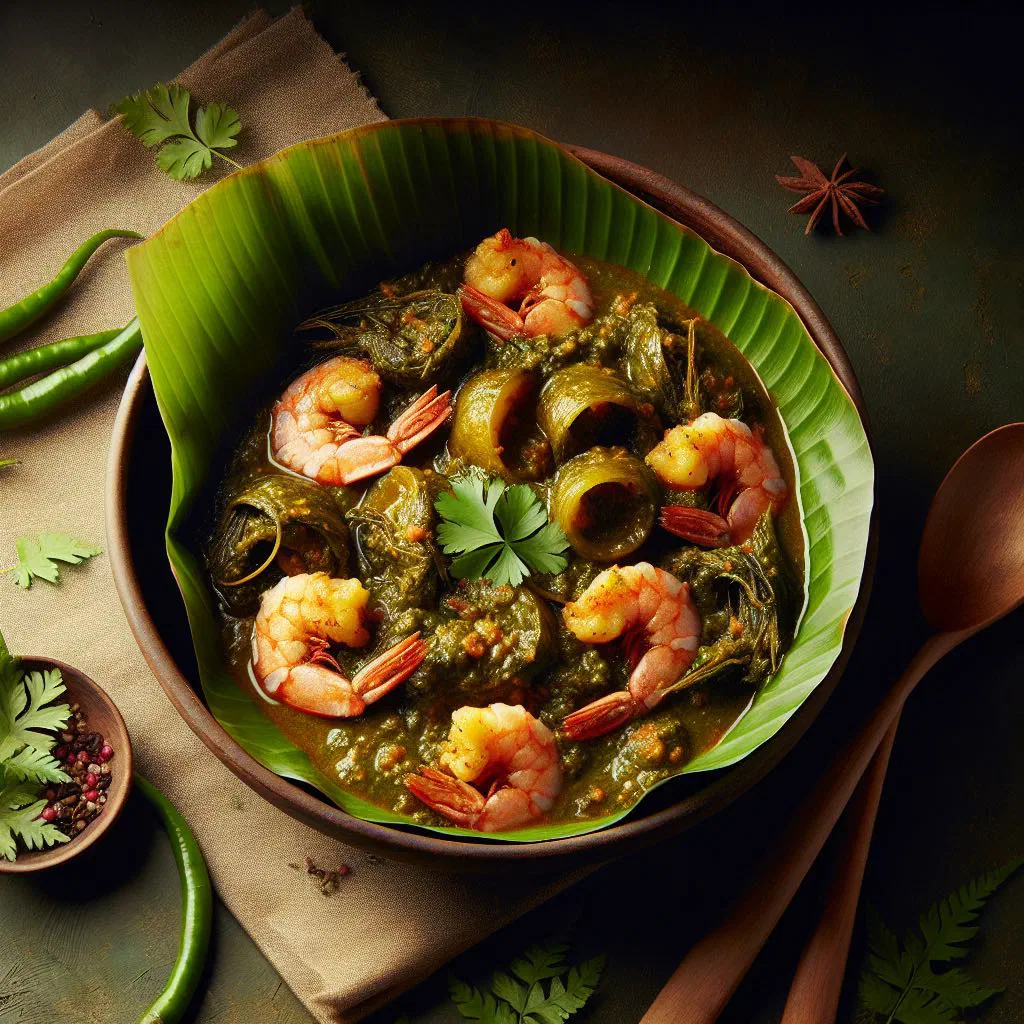
Meet Kochu Pata Chingri, a wonderfully distinctive dish from the kitchens of Bangladesh that pleases both the palate and the eye. Tender taro leaves are folded together with plump prawns and a fragrant blend of spices, capturing the earthy, coastal flavours of the region in a single pan. It works beautifully as a main course or as a memorable companion to a mound of steaming rice, and it brings a genuine taste of Bengal straight to your table.
About Kochu Pata Chingri
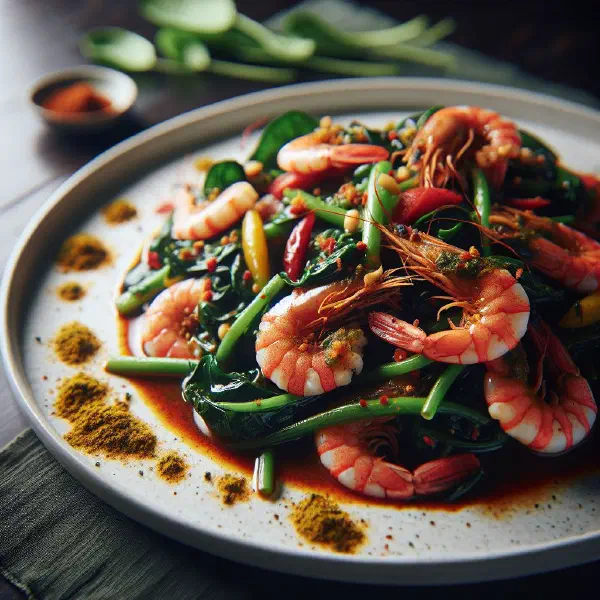
Kochu Pata Chingri is an one-of-a-kind dish from Bangladeshi cooking that impresses on flavour as much as on presentation. The delicate leaves of the kochu plant, better known as taro or colocasia, are combined with fresh prawns and a lively medley of spices. The dish reflects the rich culinary traditions of Bangladesh and delivers the aromas of the region directly to the plate. It is equally at home as a hearty main course or as a delicious side to serve with rice.
Ingredients (serves 1–2)
- 200 g fresh taro leaves (kochu pata)
- 250 g prawns, peeled and deveined
- 2 tablespoons mustard oil or vegetable oil
- 1 onion, finely chopped
- 2–3 green chillies, to taste
- 1 teaspoon turmeric powder
- Salt, to taste
- 1 teaspoon ground cumin
- 2 tablespoons fresh coriander, to garnish
Shopping for the ingredients
To make Kochu Pata Chingri, it pays to track down the right ingredients. Visit a local Asian or Bangladeshi grocery to find fresh taro leaves and good prawns, as both are essential to the dish’s authentic character. Look for prawns that are fresh and of high quality, as this makes all the difference to the finished aroma. If taro leaves prove hard to find, keep an eye out at markets that stock South Asian greens, much as you would when sourcing produce for Pui Shak Chingri.
Preparing the dish
Getting the ingredients ready is the key to a delicious Kochu Pata Chingri. Begin by washing the taro leaves thoroughly and stripping out the thick stems. These leaves are very tender and lend the dish its particular texture. The prawns, too, should be cleaned carefully so that they stay clean-tasting and full of flavour once they hit the pan.
Step-by-step instructions
- Heat the mustard oil in a pan and add the chopped onion. Fry until golden brown.
- Add the green chillies, turmeric powder and ground cumin, and fry for a few minutes until the spices become fragrant.
- Add the prawns to the pan and cook until they turn pink and are cooked through.
- Add the washed taro leaves, stir, then cover the pan so they can steam gently.
- Cook everything together for about 10 minutes and season with salt to taste.
- Garnish with fresh coriander before serving.
Gluten-free / lactose-free version
The recipe for Kochu Pata Chingri is naturally gluten-free and lactose-free, which makes it ideal for anyone with those intolerances. Choose only fresh, unprocessed ingredients so there are no hidden sources of gluten or lactose lurking in the pan. This keeps the preparation wholesome while preserving the dish’s authentic flavour.
Tips for vegans and vegetarians
For a vegan or vegetarian take on Kochu Pata Chingri, the prawns can be swapped for marinated, pan-fried tofu cubes. This adds a new dimension to the dish and gives a comparable texture. You might also reach for virgin coconut oil to introduce a different flavour note. Keep the spice mix the same so that the signature aromas stay intact.
More tips and tricks
To get the very best from your Kochu Pata Chingri, pay attention to your spices. Freshly ground spices always beat pre-ground ones, as they release far more aroma. It is also important not to overcook the dish, so that the tender taro leaves keep their colour and texture. Play with the heat by adjusting the number of green chillies to dial the dish in to your own taste.
Adapting the recipe to your taste
You can easily tailor Kochu Pata Chingri to your personal preferences. If you enjoy the flavour of coconut, stir in a little coconut milk to make the dish creamier, a trick borrowed from the richer Chingri Malai Curry. A squeeze of lime juice just before serving can add a refreshing lift, and varying the quantity of spices helps you find the perfect balance for your palate.
Ingredient substitutions
If you struggle to find taro leaves, spinach or Swiss chard make workable stand-ins, though the flavour and texture will shift a little. For the prawns you can turn to one of the vegan prawn alternatives now stocked in many supermarkets. When it comes to spices, an Indian garam masala can be used to steer the dish towards a different flavour profile.
Drink pairing ideas
A dish like Kochu Pata Chingri goes very well with light, refreshing drinks. A cool glass of mango lassi complements the spices beautifully and brings a touch of sweetness into play. A light lager is another good choice for drawing out the flavours of the food, while a fresh herb lemonade makes an excellent alcohol-free option that rounds off the meal nicely.
Serving and presentation ideas
Thoughtful presentation can lift the whole Kochu Pata Chingri experience. Serve the dish in an attractive shallow bowl and garnish with fresh coriander and a few lime wedges. Scattering over a handful of toasted nuts is a lovely idea too, adding both colour and texture. Make the most of the natural colours of the ingredients to create an inviting, appetising plate.
A bit of history
Kochu Pata Chingri is a traditional dish of Bangladeshi cooking, often served on festive occasions. The use of taro leaves is widespread across the region and symbolises the bounty of nature. Pairing prawns with these leaves is unique in flavour and carries real cultural significance. The dish is a superb example of how regional ingredients can embody a deeply rooted culinary tradition, and it sits proudly within the wider world of Bangladeshi cuisine.
More recipe ideas
Summary: Kochu Pata Chingri
Kochu Pata Chingri is a wonderful showcase of Bangladeshi cuisine, uniting flavours and textures in perfect harmony. The pairing of tender taro leaves with fresh prawns makes for a memorable eating experience. By experimenting with the different variations and possibilities, both old friends and newcomers to Bengali food can treat their taste buds. Give this traditional dish a try and let its delicious flavours inspire you.