National Dish Bangladesh: Luchi (Recipe)
In this article
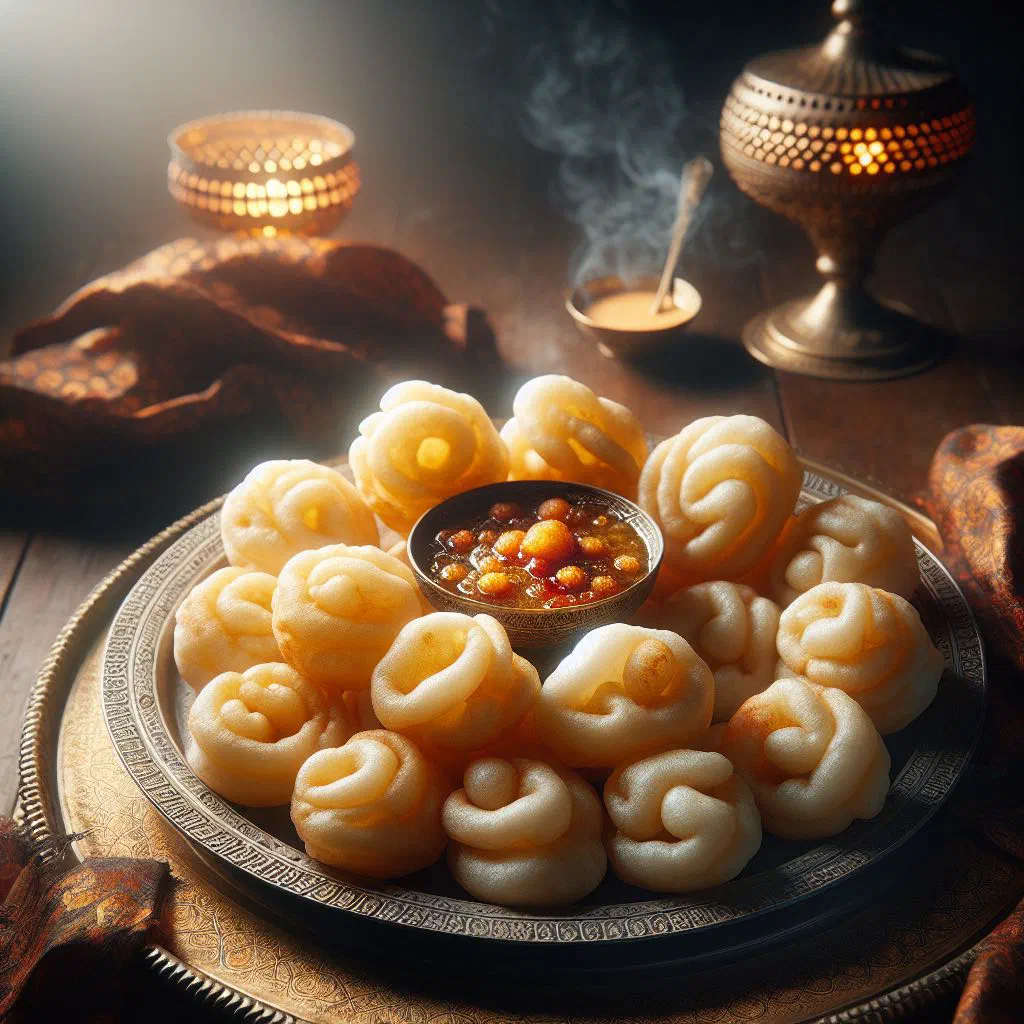
Say hello to Luchi, the airy, deep-fried flatbread that sits at the heart of Bengali cooking. Golden, puffed and delicately crisp, these little rounds are the perfect partner for a spicy curry or a spoonful of something sweet. Made from just a handful of pantry staples, luchi turns an everyday meal into a small celebration, and brings the warm flavours of Bangladesh straight to your table.
About Luchi
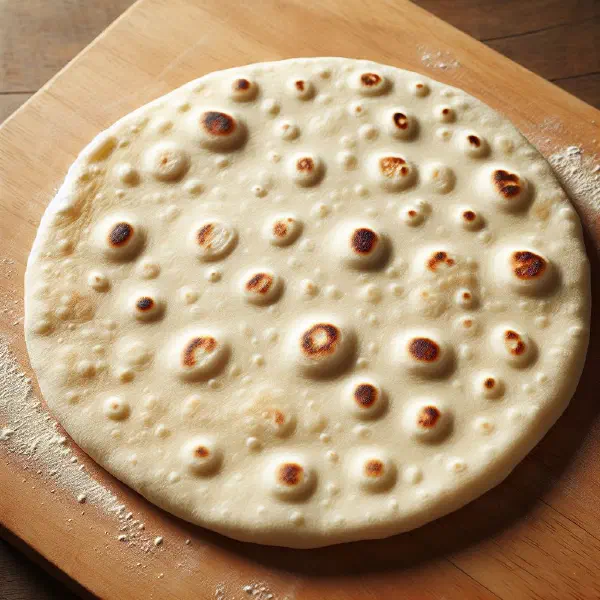
Luchi is far more than a simple flatbread; it is a culinary experience handed down from one generation to the next. Made from fine wheat flour and deep-fried in hot oil, it puffs up into a golden, crisp round with a wonderfully light texture. That lightness is exactly what makes luchi such a versatile companion at the table. Luchi carries the flavours of Bangladesh onto every plate.
Ingredients (serves 1–2)
- 150 g wheat flour
- 50 ml water
- 1 pinch of salt
- Oil, for deep-frying
Shopping for the ingredients
To get the best from your luchi, pick up fine wheat flour from any supermarket or Asian grocery. Try to choose a good-quality flour, as it makes a real difference to both the flavour and the texture of the bread. Salt is an easily overlooked ingredient, yet it brings out the flavour beautifully. The oil for frying should be one that copes well with high heat, such as rapeseed or sunflower oil.
Preparing the dish
Before you start frying, it is important to prepare the dough properly. Combine the wheat flour and salt in a bowl, then slowly work in the water until you have a smooth, pliable mixture. Let the dough rest for around 30 minutes so it can relax. This resting stage is key to a good texture and helps the bread puff up light and airy when it hits the oil.
Step-by-step instructions
- Turn the dough out of the bowl and knead it for a few minutes on a lightly floured surface.
- Divide off as much dough as you need and shape it into small balls.
- Roll each ball out thinly on a floured surface.
- Heat the oil in a deep pan and carefully lower in the rolled-out flatbread.
- Fry until both sides are golden brown, then lift out with a slotted spoon and drain on kitchen paper.
Gluten-free / lactose-free version
For anyone avoiding gluten, there are a few good alternatives. In place of wheat flour you can use a blend of gluten-free flours such as rice flour and corn flour. Finding the right consistency is important, so you may need to experiment a little with the amount of water. Lactose is never an issue here, since only oil is used for frying, which makes this recipe a great choice for anyone who is lactose-intolerant.
Tips for vegans and vegetarians
Luchi is naturally vegan, made simply from flour, water and salt. To give the dough a little more character, you could stir in spices such as cumin or coriander. These not only add flavour but bring their own gentle health benefits too. Vegans can enjoy luchi with a clear conscience, pairing it with all sorts of plant-based curries such as a comforting Cholar Dal.
More tips and tricks
One of the best ways to nail your luchi is to keep a close eye on the frying temperature. The oil should be hot enough for the bread to rise straight away, but not so hot that it burns before it has cooked through. To encourage a good puff, gently press the surface of the bread while it fries. We also recommend serving luchi as soon as it comes out of the pan, so it stays fresh and crisp.
Adapting the recipe to your taste
Everyone has their own preferences when it comes to flavour. You can tailor luchi with different herbs or spices to add a more personal touch. Stirring a little garlic powder or onion powder into the dough, for example, gives the bread an intriguing lift.
Ingredient substitutions
If you want to adapt the recipe, there are a few substitutions worth considering. Instead of plain wheat flour, you could use wholemeal flour, which makes the bread a touch more wholesome. For a gluten-free version, reach for a ready-made gluten-free flour blend. There are plenty of variations to play with, and it is well worth trying new combinations to find the result you like best, much as you would when tweaking a rich Alur Dom.
Drink pairing ideas
Luchi goes beautifully with a range of drinks. A traditional masala chai or a refreshing glass of mint water complements the bread perfectly. A sweet fruit lassi also makes a soothing partner, balancing the heat of any curries served alongside. Let the sheer variety of drinks inspire the way you enjoy your luchi.
Serving and presentation ideas
Thoughtful presentation can lift the whole luchi experience. Serve the flatbreads on a colourful table setting to bring out the vivid hues of your curries. A decorative bowl of dip or chutney placed beside the luchi offers an extra layer of flavour. A scattering of fresh coriander leaves or a little chilli as garnish adds the finishing touch.
A bit of history
Luchi has its roots in Bengali cuisine and is a firm fixture of celebrations across Bangladesh. It is often served at festivals and special occasions as a way of honouring guests. The tradition of enjoying luchi with an array of curries runs deep in the culture. This piece of culinary heritage has evolved over the years and is now cherished well beyond the borders of Bangladesh, taking its place among the treasures of Bangladeshi cuisine.
More recipe ideas
Summary: Luchi
Luchi is much more than a simple flatbread; it is a symbol of Bengali cuisine and tradition. With its light, crisp texture and the versatility to sit happily beside spicy or sweet dishes alike, it is an essential part of any celebration. Luchi brings the flavours of Bangladesh straight to your table. Let this delicious bread win you over and enjoy all the variety it has to offer.