National Dish Bangladesh: Panta Bhat (Recipe)
In this article
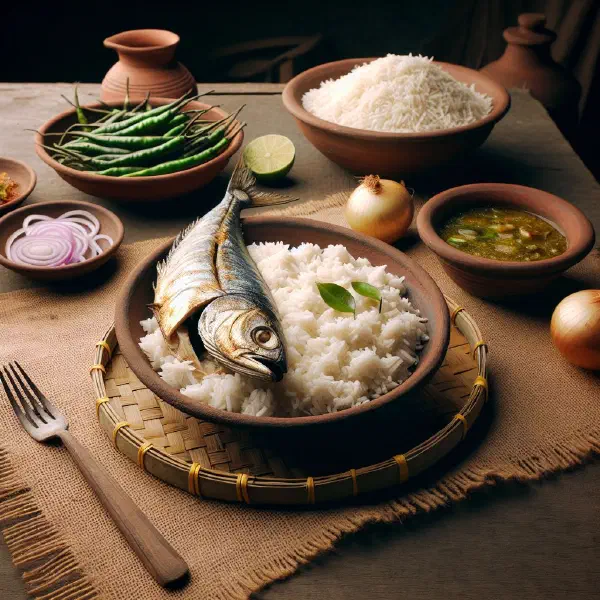
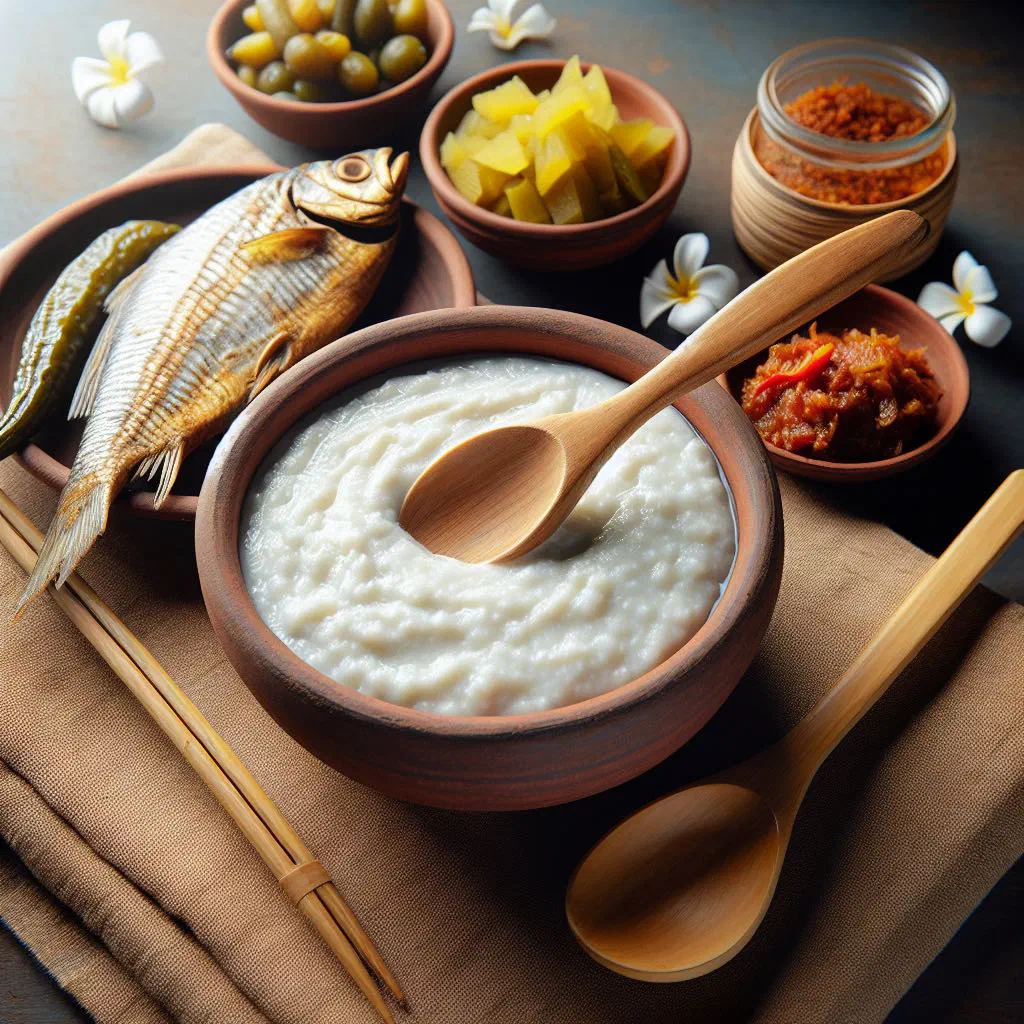
Meet Panta Bhat, the humble yet beloved national dish of Bangladesh. This dish of cooked rice soaked overnight in water is served cool, crowned with sharp onion, fiery green chilli, fresh coriander and a drizzle of pungent mustard oil. The gentle overnight fermentation deepens the flavour and brings gut-friendly, probiotic benefits. Simple, refreshing and steeped in centuries of tradition, it is comfort in a bowl on a sweltering day.
About Panta Bhat
Panta Bhat is far more than a meal; it is a refreshment on hot days, a link to old traditions and a symbol of life’s simple pleasures in Bangladesh. It consists of cooked rice soaked overnight in water and served cold, usually alongside onion, green chilli, coriander and mustard oil. That overnight soak allows a light fermentation to take hold, which heightens the aroma and lends the dish probiotic benefits. It earns its place as the national dish because it is enjoyed right across society, from the wealthy to the poor, and suits the country’s warm, humid climate perfectly.
Ingredients (serves 1–2)
- 1 cup cooked rice (preferably parboiled)
- 2–3 cups water (depending on the consistency you like)
- Salt to taste
- 1 small onion, finely chopped
- 2 green chillies, to taste
- Fresh coriander, chopped
- 1 teaspoon mustard oil
Shopping for the ingredients
When shopping, pay attention to the quality of the rice. Parboiled rice is used traditionally and gives the best texture. Fresh ingredients such as onion, chilli and coriander matter just as much for guaranteeing an authentic flavour. Choose a cold-pressed mustard oil to be sure of that intense, characteristic aroma. Most of these items are easy to find in an Asian grocery or a well-stocked supermarket.
Preparing the dish
Preparing Panta Bhat asks for only a little forward planning. The cooked rice is best made in advance and then soaked for at least overnight, so the fermentation process has time to begin. The rest is simplicity itself, chop the fresh ingredients just before serving to keep them crisp and bright. A tidy work surface makes the whole thing effortless.
Step-by-step instructions
- Place the cooked rice in a large bowl and pour over the water.
- Cover the bowl and leave it to stand overnight (or for at least 6 hours).
- The next day, drain off any excess water if you prefer.
- Add salt and stir well.
- Garnish with finely chopped onion, green chillies and coriander.
- Finish with a teaspoon of mustard oil drizzled over the top and serve.
Gluten-free / lactose-free version
Panta Bhat is naturally gluten-free and lactose-free, which makes it a wonderfully inclusive dish. Built around rice, water and fresh vegetables, it contains no wheat and no dairy at all, so it suits anyone with a gluten intolerance or a sensitivity to lactose. Simply make sure that any extra accompaniments you serve alongside, such as fried sides or spice blends, are also free from gluten and dairy, and every guest can dig in with confidence.
Tips for vegans and vegetarians
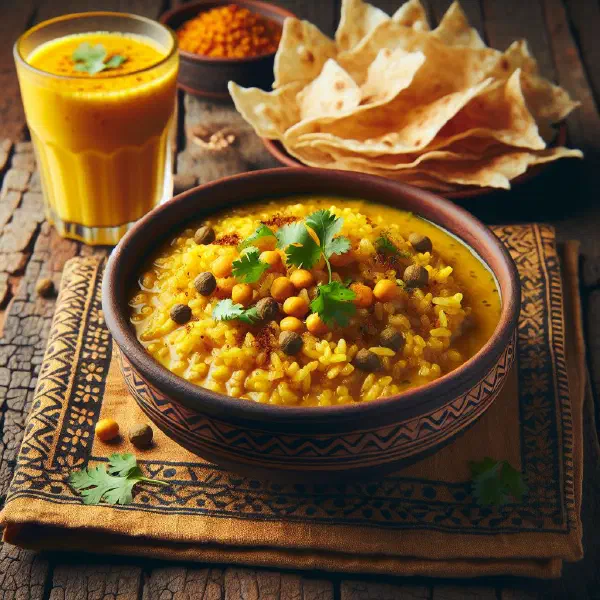
Panta Bhat is inherently vegan and vegetarian, as it relies entirely on rice, water, onion, chilli, coriander and plant-based mustard oil. There is nothing to swap out, which makes it an ideal choice for a meat-free table. For a more substantial, protein-rich version, stir through some cooked and mashed yellow lentils, much as you would in a warming bowl of Dal. Fresh, seasonal produce is the key to the best flavour.
More tips and tricks
If you like, add a squeeze of lime juice to sharpen and lift the flavour. Stirring in cooked and mashed yellow lentils (bharta) is another nourishing and tasty variation that turns the dish into more of a meal. For a heartier spread, serve it as you might a bowl of Bhuna Khichuri, letting the cool rice balance a richer, spicier side.
Adapting the recipe to your taste
The heat can be dialled up or down by adding more or fewer green chillies. If you prefer a less traditional take, feel free to fold in other fresh herbs or vegetables. Some cooks like a little more onion for bite, while others keep it minimal to let the fermented rice shine. This flexibility is part of the dish’s enduring charm.
Ingredient substitutions
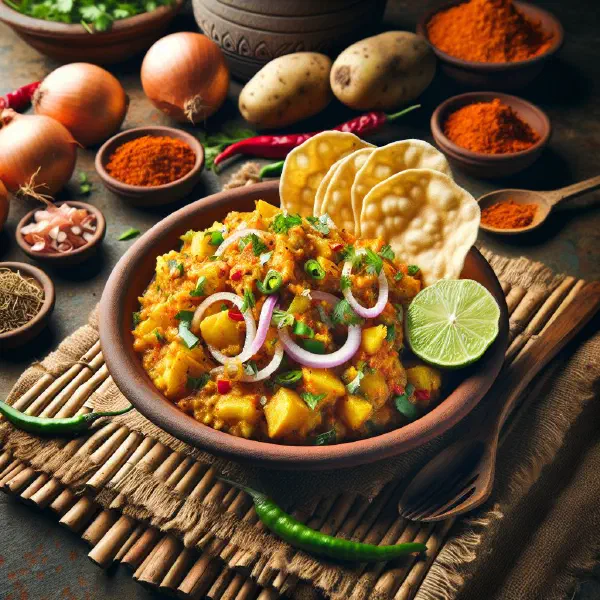
Should mustard oil be hard to find, another strongly aromatic oil can stand in, though the flavour will be a touch milder. In place of green chillies, use whatever chillies you have to hand, adjusting for availability and the heat you want. Any leftover rice works beautifully here, in the same thrifty spirit as a comforting plate of Aloo Bhorta. Substitutions like these help you adapt the recipe to what is in season or to your own taste.
Drink pairing ideas
A cooling lassi or a fragrant cup of chai tea both pair wonderfully with Panta Bhat and round off the eating experience. A simple glass of chilled lemon water also complements the dish’s fresh, tangy notes. Because the rice itself is so mild and refreshing, almost any light, non-heavy drink works well without overpowering it.
Serving and presentation ideas
To present Panta Bhat with flair, serve the accompaniments in small individual bowls and decorate the dish with edible flowers or fresh coriander leaves. Arranging colourful sides such as Begun Pora around the central bowl makes for an inviting, rustic spread. A little care with the garnish turns this everyday dish into something quietly beautiful.
A bit of history
Panta Bhat has its roots in a simple, practical need: to keep cool in a hot climate while making food last longer. It has been an essential part of Bangladeshi culture for centuries and is traditionally served during the Bengali New Year, Pohela Boishakh, where it holds pride of place on the festive table. As one of the defining dishes of Bangladeshi cuisine, it carries generations of history in every humble bowl.
More recipe ideas
Summary: Panta Bhat
Panta Bhat, Bangladesh’s cooling national dish, is simple to make, delicious and good for you. It leaves plenty of room for variation and is the perfect choice for anyone who wants to taste a genuine piece of Bangladeshi food culture. Refreshing, wholesome and rich in tradition, it proves that the humblest ingredients can make the most memorable meals. Give it a try, your taste buds will thank you.