National Dish Bangladesh: Patali Gur er Payesh (Recipe)
In this article
Meet Patali Gur er Payesh, a gently spiced rice pudding that sits at the heart of Bangladeshi celebration. Slow-cooked milk and fragrant rice are sweetened with patali gur, the aromatic date palm jaggery that gives the dish its deep, caramel warmth. Scattered with cardamom, raisins and toasted nuts, it is the sort of comforting sweet that graces weddings, festivals and quiet family gatherings alike. Bring a taste of this beloved classic into your own kitchen.
About Patali Gur er Payesh
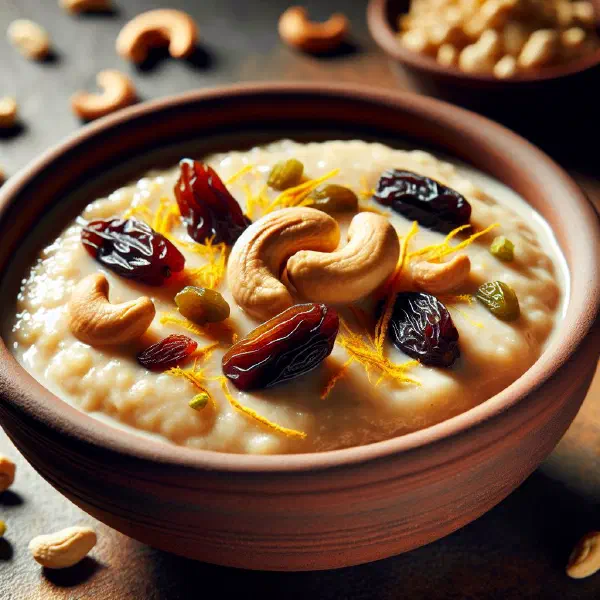
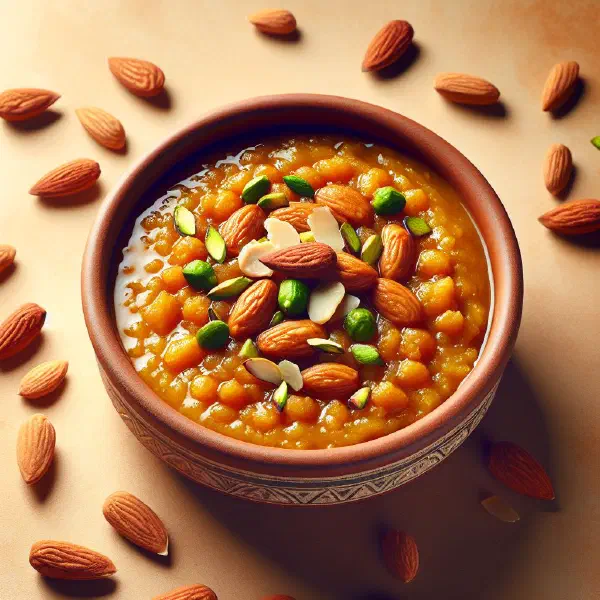
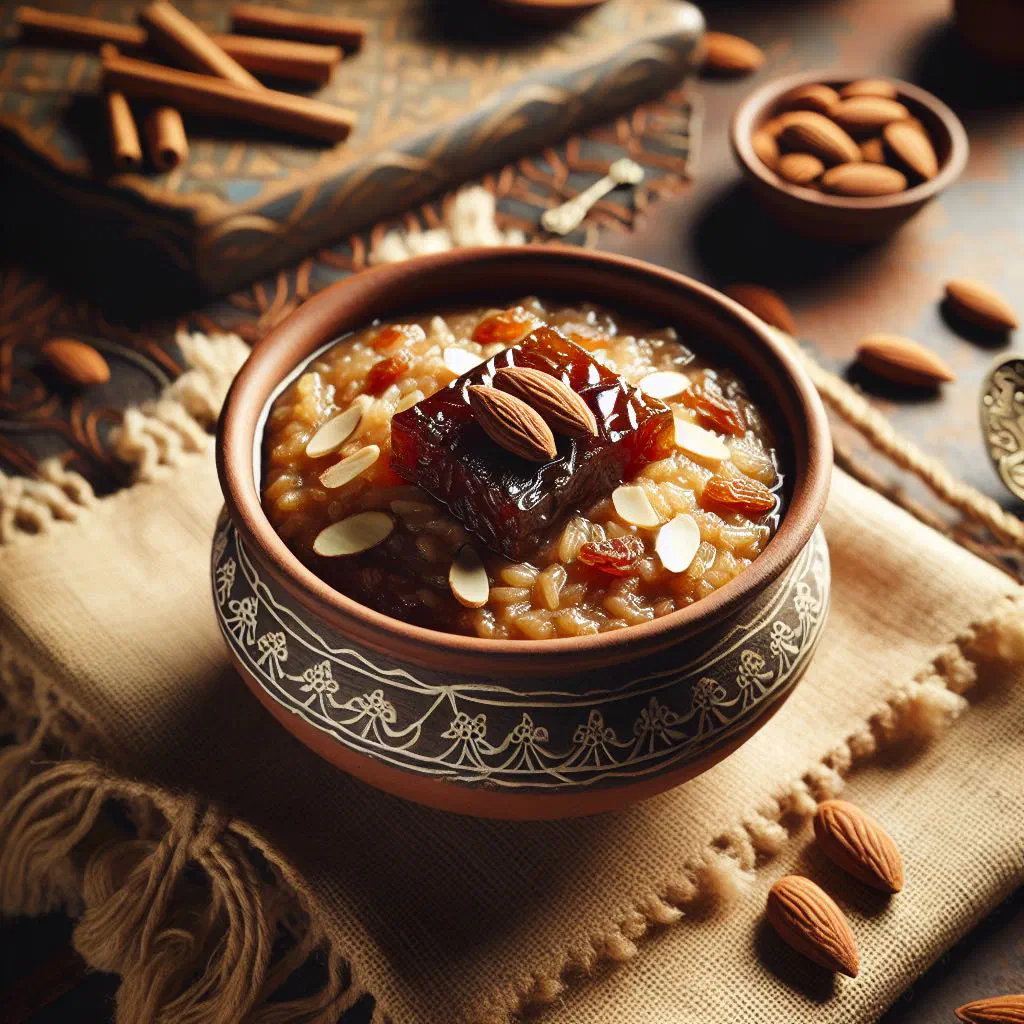
Patali Gur er Payesh is a traditional Bangladeshi dessert that appeals to children and adults in equal measure. It is a creamy rice pudding sweetened with palm jaggery, which lends it a special note that has won a place in people’s hearts. The dish is often served at festive occasions and family celebrations and is an absolute classic of Bangladeshi cuisine. The pairing of aromatic milk and carefully chosen spices makes it a truly unique tasting experience.
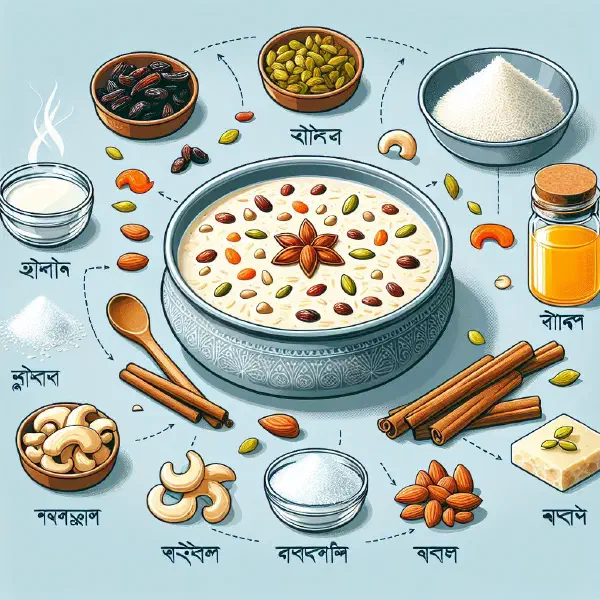
Ingredients (serves 1–2)
- 1 cup basmati rice
- 4 cups milk
- 1/2 cup patali gur (palm jaggery)
- 1/4 teaspoon cardamom
- 1/4 teaspoon cinnamon
- 1/4 cup raisins
- 1/4 cup chopped nuts (such as cashews or almonds)
- A pinch of salt
Shopping for the ingredients
When shopping for Patali Gur er Payesh, it is worth choosing good-quality produce. The basmati rice should be fragrant and light, while the milk should be fresh and full-fat to guarantee that creamy consistency. Patali gur, the palm jaggery, can be found in Asian supermarkets or ordered online. Fresh spices and nuts matter too, helping you achieve the very best flavour.
Preparing the dish
Preparing Patali Gur er Payesh is simple and straightforward. First, wash the rice thoroughly and leave it to soak for 30 minutes so it cooks evenly. Meanwhile, you can chop the nuts and set out the raisins. These small steps of groundwork add to the texture and flavour of the dish and help create an authentic result.
Step-by-step instructions
- Drain the soaked rice and bring it to the boil in a large pan with the milk.
- Simmer over medium heat for 15–20 minutes, until the rice is soft and the mixture turns creamy.
- Add the patali gur and stir until it has fully dissolved.
- Sprinkle in the cardamom, cinnamon and a pinch of salt, and mix well.
- Add the raisins and chopped nuts, then simmer for a further 5 minutes.
- Take off the heat and let it cool a little before serving.
Gluten-free / lactose-free version
For anyone with a gluten intolerance or lactose intolerance, Patali Gur er Payesh is easily adapted. Swap the regular milk for a lactose-free alternative such as almond milk or coconut milk. Basmati rice is naturally gluten-free, so there is nothing to worry about there. These small adjustments make sure everyone can enjoy the dessert without compromising on flavour or texture.
Tips for vegans and vegetarians
Vegan and vegetarian versions of Patali Gur er Payesh are just as delicious and easy to make. Simply replace the milk with a plant-based alternative, such as soy milk or oat milk, to create a fully vegan dish. Do check that the patali gur is vegan too, which it usually is. These versions are a great option for vegans and for adding variety to your cooking.
More tips and tricks
A few helpful tips for making Patali Gur er Payesh include using fresh palm jaggery for a more intense aroma. You can also refine the dessert to taste with extra spices such as cloves or a hint of nutmeg. To keep the consistency just right, avoid cooking the mixture for too long so it does not catch and burn. This gives you the perfectly creamy rice pudding everyone loves.
Adapting the recipe to your taste
Everyone has their own preferences, and the same is true of Patali Gur er Payesh. Some people like it sweeter, while others prefer a less sugary option. You can adjust the amount of palm jaggery to suit your taste and even add extra ingredients such as fresh fruit or a spoonful of light cream to vary the dish. That way you can shape the dessert to your personal liking and make it something truly special.
Ingredient substitutions
If you are looking for substitutions when making Patali Gur er Payesh, you can replace the basmati rice with other varieties you may have to hand. Jasmine rice or even sticky rice can offer an interesting variation, much as the delicate grains do in a bowl of Kheer. For the palm jaggery, you might reach for other sweeteners such as coconut sugar or honey where available. These alternatives can give the dish different but equally delicious flavours.
Drink pairing ideas
Fruity drinks or traditional Asian teas pair especially well with Patali Gur er Payesh. A glass of mango lassi or a freshly pressed fruit juice blend rounds off the dessert’s sweet notes beautifully. Alternatively, you could serve a strong, aromatic chai, whose spices strike a wonderful balance. These drinks lift the dessert further and make the whole experience even more enjoyable.
Serving and presentation ideas
To impress your guests when serving Patali Gur er Payesh, plate the dessert creatively. Serve it in pretty bowls or glasses and garnish with fresh nuts and raisins. A light dusting of cinnamon or cardamom on top improves the look and intensifies the aromas. An attractively presented dessert is sure to catch your guests’ eye and build the anticipation, much like a plate of delicate Sandesh.
A bit of history
Patali Gur er Payesh has deep roots in the culture of Bangladesh and is a symbol of festivity and family bonds. Traditionally it is served during Hindu celebrations and weddings, and it counts among the few desserts prepared across many different regions of the country. The palm jaggery that gives the dish its distinctive flavour has played an important role in the history of Bengali cooking and has been used for centuries. Every spoonful of this treat tells a little of the cultural identity of Bangladesh.
More recipe ideas
Summary: Patali Gur er Payesh
All in all, Patali Gur er Payesh is a flavourful and traditional dessert that reflects the delicious aromas of Bangladesh. With its creamy consistency and the unique sweetness of palm jaggery, it is a must at festive occasions and a wonderful way to experience the country’s culinary culture. Whether vegan, gluten-free or simply in your own variation, this recipe leaves plenty of room for creativity and personal touches. Enjoy the journey and the flavourful heritage that every bowl of payesh brings.